



A perfect-bound catalog was delivered only a week ago, and whole signatures fall out after readers flip through it a couple of times—should we ask the printer to re-glue it, or switch this batch to sewn binding and redo it?
Bottom line first: When a perfect-bound catalog loses pages, don't rush to conclude that 'the glue wasn't applied well.' Based on common 2026 delivery experience, page loss is more like three variables overlapping: whether spine milling is sufficient, whether the adhesive layer matches the paper, and whether page count and reading intensity exceed the equipment's suitable range. Whole-signature detachment is often seen when milling is insufficient or coated paper surfaces have not been roughened; single-page loss is often seen when the adhesive layer is too thin; spine cracking is often seen in books whose page count is near the equipment limit and that are frequently opened flat. For books that need frequent flat opening and have a thick page count, switching to sewn perfect binding is usually simpler than repeated re-gluing; for internal distribution and low-reading booklets, there is no need to add budget for durability you won't use.
First distinguish three page-loss symptoms; responsibility and remedies differ
Perfect binding relies on an adhesive layer to hold the pages to the spine, with no thread sewing as a backstop; as reading intensity rises, adhesive fatigue comes earlier than with sewn binding. Its job is to fix pages into a booklet within budget, not to make every book open completely flat. The client should first distinguish whole-signature detachment, single-page loss, and spine adhesive cracking—the three symptoms have different causes and remedies, and mixing them up easily leads to people talking past each other.
- Whole-signature detachment: commonly seen when spine milling is insufficient and the glue only adheres to the paper coating; especially likely with coated paper and full-bleed image pages.
- Single-page loss: often related to an adhesive layer that is too thin, an adhesive type that does not match the paper, or insufficient pressing after folding.
- Spine cracking: often appears in booklets with a relatively high page count, a cover spine made from an estimate, and repeated flat opening.
When judging, don't only look at the one book that lost pages. Pull 3–5 copies, open them to the middle and lay them flat, then shake the spine and listen for hollow bubbling sounds; if multiple copies open at the same position, it is more likely a binding parameter or paper-matching issue, not just an individual reader being rough.
At delivery: if text paper and page count change mid-project, the binding method must be recalculated
A common constraint in projects: to control cost, the text is first set at around 80g offset paper and about 160 pages, using perfect binding; mid-project it changes to around 120g coated paper, the page count rises to about 190 pages, the cover has already been laid out according to the original spine, and the client hopes to keep the original binding method.
Our approach is to first recalculate the spine based on the paper's actual thickness and page count, then have the printer confirm the adhesive-binding thickness range the equipment can handle, and at the same time quote one version each for perfect binding and sewn perfect binding for the client to choose between, rather than changing the cover first. If this step is skipped, the cost tends to show up later in a concentrated way: if the spine is off by 1–2 mm, the cover spread has to be re-laid out; if the binding thickness is near the equipment limit, the risk of spine cracking rises noticeably, and the cost of batch rework is often higher than changing the binding method in the first place. In terms of experience range, switching to sewn perfect binding commonly adds 2–4 working days, and unit cost commonly increases by a few tenths of a yuan to several yuan, varying with paper, batch size, and process—this is a range, not a quotation.
Comparing three binding methods: a set of checkable experience ranges
Binding method is not a matter of the stronger the better, nor the cheaper the more correct. A more reliable order is to look first at usage intensity, then at page count and paper, and finally at budget and lead time, then have the printer review against equipment parameters. The first two determine how much fatigue the adhesive layer must withstand; the last two determine how much process window remains.
Experience-range comparison (subject to the printer's actual equipment and paper testing)
- Saddle stitching: commonly suitable for thinner booklets; can open flat and has a lower unit cost; with more pages, the spine area tends to bulge, so it is not suitable for thick books.
- Perfect binding: commonly used for medium-thickness books and magazines with low-to-medium reading frequency, with mid-range cost; be cautious with frequent flat opening and thick coated-paper books.
- Sewn perfect binding: commonly used for books with many pages, frequent reading, or long-term storage, with more stable flat-opening performance; it has more process steps, and lead time and unit cost are usually higher than perfect binding.
There is no universal page-count limit; the same machine changes when the paper changes. When the client is unsure, give the printer the text paper sample, total page count, and reading scenario together, and ask 'what binding range can this set of parameters handle?'—this is more likely to get a usable answer than only asking 'how much is perfect binding per copy?' The delivery files should at least state the binding method, the basis for spine thickness, the cover spread, and the page-number and folding rules; if they only say 'perfect binding,' the printer will quote according to its default practice, and later changes often lead to rework of both the spine and cover.
When accepting perfect binding, don't just feel the cover
A flat cover only shows appearance; it says nothing about the adhesive layer. The four steps—flip, shake, look, compare—find problems earlier, focusing on consistency across multiple copies in the same batch rather than picking one copy in good condition as the standard.
- Flip: open to the middle and lay flat; check whether the adhesive layer turns white or cracks, and whether the pages spring back.
- Shake: shake the spine, listen for hollow bubbling sounds, and check whether any whole signature is loose.
- Look: check whether the spine is square and where the spine text sits; misalignment is commonly seen when the cover is laid out using an estimated spine.
- Compare: pull multiple copies and compare; if the same position repeatedly opens, check binding parameters and paper matching first.
For parameters such as milling depth, adhesive layer thickness, and adhesive type selection, it is advisable to check against the printer's equipment instructions and a mutually confirmed acceptance checklist; designers are not advised to hard-code equipment parameters in the files. What designers can control is stating the binding method clearly, giving the correct basis for spine thickness, and reminding the printer in advance about paper and reading scenarios.
When it applies, and when not to force it
The boundary can be remembered in one sentence: If you need flat opening, durability under frequent reading, and a thick page count, ask about sewn binding first; if it is only for distribution, low reading frequency, and budget control, perfect binding can be discussed. This is an experience-based judgment; specifics still depend on the range the printer can actually handle.
- Suitable: internal training materials, short-term event catalogs, and product catalogs with a medium page count.
- No need for sewn binding: booklets with few users, low reading frequency, and a short storage period.
- Not suitable: frequently consulted reference books in stores, thick coated-paper catalogs, and design portfolios that need to be opened flat and viewed for long periods.
- Also not suitable: treating re-gluing as routine maintenance—after batch page loss, local re-gluing makes page turning feel stiffer; it is only an emergency fix and should not be treated as a long-term solution.
Frequently asked questions
Can a perfect-bound catalog open flat?
Usually it cannot open completely flat, and forcing it flat accelerates adhesive fatigue. For booklets that need frequent flat opening and reading, sewn perfect binding is more stable, at the cost of a longer lead time and a somewhat higher unit cost.
Is perfect binding not possible with coated paper for the text?
It is not that it cannot be done, but coated paper has a smooth surface, and adhesive grip is usually weaker than on offset paper. When the page count is relatively high or reading is frequent, prioritize sewn perfect binding, or first have the printer confirm roughening and adhesive-type matching.
Pages have already fallen out—is it still useful to have the printer re-glue them?
For a small number of loose pages, local re-gluing can serve as an emergency fix; for batch page loss or repeated loss at the same position, re-gluing mostly will not hold, and redoing the job or switching to sewn binding is simpler. After re-gluing, the spine becomes stiffer and does not withstand frequent reading well.
Should the design file state the binding method?
Yes. At minimum, state whether it is saddle stitching, perfect binding, or sewn perfect binding, and provide the basis for spine thickness, page numbering, and folding rules, to avoid rework after the printer quotes according to its default practice.
Within what page count is perfect binding suitable?
There is no universal page count; it is commonly determined by the printer's equipment, paper thickness, and reading intensity together. The experience range is that medium-thickness booklets with low-to-medium reading frequency are more stable; when nearing the limit, ask the printer first.
If you are stuck on the binding method, first list the text paper sample, total page count, reading scenario, and budget/lead time for the printer, ask them to reply with a feasible range based on equipment parameters, and then choose among perfect binding, sewn perfect binding, and saddle stitching. In 2026 deliveries, the money saved usually comes from clarifying parameters upfront, not from repeatedly re-gluing after pages fall out.
-
 Booth Poster Design for Professional Monitor Product Suppliers
The standard exhibition booth poster projec ...
-
 Design of Standard Exhibition Booth Posters for Beauty Instruments
Carefully designed a standard exhibition bo ...
-
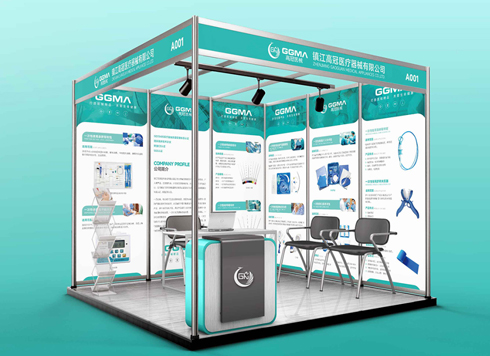 Design of Exhibition Posters for Medical Device Standards
XiYue is designing an exhibition booth post ...
-
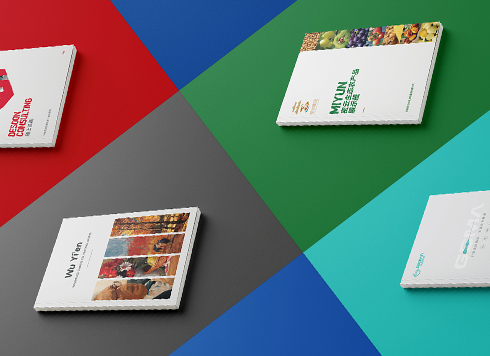 Collection of Brochure Design Cases in 2024 (Cover Series 02)
Our brochure design projects focus on diver ...
-
Same 32mo trim and 10.5 pt type, nearly 200 fewer characters per page than comparable books—adjust the type area or tighten leading first?
Date: Nov 22, 2026 Read: 4
-
Storefront is installed and packaging is printed—will newly added supporting graphics still match the earlier materials?
Date: Nov 21, 2026 Read: 8
-
Why does a logo look gray when reversed out on dark paper boxes—and what should change in the mono version the maker asks for?
Date: Nov 20, 2026 Read: 10
-
Hardcover Cover Logo Foil Stamping: If Fine Strokes Smudge in the Proof, Should You Change Line Width or Switch Paper First?
Date: Nov 19, 2026 Read: 15
-
When only a palm-sized area is left on the back of the pack and the barcode, net content, and ingredient list are all crammed together, what should be protected first?
Date: Nov 18, 2026 Read: 18