



The brochure is laid out and waiting to print, but the printer suddenly asks for commercial font licenses. The client says it is just a built-in computer font—who should verify the responsibility?
Start with the conclusion: being able to type a character on a computer does not mean you can print it on external materials; converting text to outlines only makes the file no longer depend on the font library—it does not replace a commercial license. In 2026 prepress delivery, when a printer suddenly asks for license proof, what it is really asking for is a chain of responsibility: who bears the cost if the font vendor pursues a claim. When rushing to print, first replace externally visible headings with clearly licensed or open-source commercially usable fonts, then issue a font list and deliver it with the files. This is usually more reliable than buying a license at the last minute or force-outlining the text.
What the printer is actually confirming when it asks for a license
When a printer asks for a license, in most cases it is not deliberately making things difficult for the designer. When the printer outputs the file as a physical product, fonts also enter the imposition and output process. Larger printers will ask the designer to provide license documentation, or require text to be outlined or image-based, so as to block the risk upstream. The easy misunderstanding for designers is this: being able to lay out text in software belongs to display and printing permissions at the system or software level; printing the glyphs on materials for external sale or external promotion is another use scenario. Whether it is covered by the license depends on the font vendor’s terms and cannot be judged by feeling.
- Design-side use: Laying out, previewing, and printing internal proofs in software is usually covered by the system or software license.
- Commercial release use: Printing glyphs on packaging, brochures, storefront signs, and other external materials often has separate terms on medium, territory, and term.
- File delivery and embedding: Handing the font library to a third party with a PDF or source file is often another restriction, and many terms are stricter than those for commercial release.
- Outlining: This only handles the layer of whether the file carries the font library; it has no effect on commercial release licensing.
Why built-in computer fonts are often misunderstood
The license for system preinstalled fonts is usually written around normal display and printing in that system or software environment; it does not equal permission to use the glyphs in commercially released printed matter. In 2026 projects, this situation is still common: a designer gets a new computer, picks a good-looking font from the default font list, lays out the whole project through to print, and no one ever goes back to check the license. Another counterexample is changing just a little—stretching the glyph wider, condensing it, or altering a few strokes—so it looks like a new typeface. But whether it constitutes a derivative work and whether the original font license is still required is more complicated than simply changing fonts, and is usually not worthwhile within a delivery timeline. Whether a font can be used depends on the license terms and where the glyphs are used, not on whether it is called a system font.
- Free to download does not mean free for commercial use. Labels on download sites and font vendors’ license statements often differ; the vendor’s official page prevails.
- Changing a few strokes does not make it your own font. Brand standard lettering is a long-term asset; it should go through customization or explicit licensing, not be casually altered in a project file.
- The printer not mentioning it does not mean there is no problem. Claims often occur after the material is released, when the cost of changing is higher.
- Outlining does not mean there is no font issue. Outlining solves the file carrying the font library, not the source of the glyphs.
When rushing to print, how to compare changing fonts, buying a license, and outlining
At that moment, the real constraints in a project are usually only two: how much time is left, and how long this font will stay with you. Rushing to print and building long-term brand assets call for different paths. The following compares them by experience range; actual quotes and terms prevail:
- Change fonts: Cost is close to labor; relayout commonly takes half a day to one day; risk is relatively low; suitable for one-off materials with a tight deadline. After changing, review weight, tracking, and leading again—do not just swap the typeface.
- Buy a license: Commercial licensing for a single font commonly ranges from several hundred to several thousand yuan, with a turnaround from the same day to several working days; suitable for the main font used long-term by a brand. Keep the license proof and note clearly which materials it covers.
- Outline text: Takes a few minutes to half an hour and adds almost no cost; only reduces risk at the file level; suitable for files already finalized and only waiting to print. Be sure to keep an editable original, and go back to the original for later copy changes.
- Draw or modify glyphs yourself: Priced by character count and design hours, often with a cycle measured in weeks; suitable for brand wordmark assets. Confirm that the new glyphs are not obviously similar to the original font’s glyphs, and do not turn the risk from using someone else’s font into copying someone else’s font.
How to check at the delivery site, and where the cost falls
At a brochure and packaging delivery site, a common constraint is that the client’s event date is already locked, the printer’s production schedule is set for two days later, and the brochure’s inner pages use a common Chinese font preinstalled on the system. When receiving the files, the printer asks for a supplementary license statement. At this point, the easier approach is not to buy a license on the spot, but first to replace externally visible headings with fonts that already have genuine licenses or are open-source and commercially usable, uniformly replace the small body text, relayout the whole piece, and then have the designer issue a font list delivered with the files. The cost is a typical range of half a day to one day of rework plus one round of proofs, but it is much lighter than being pursued after printing starts or having to reprint the whole batch.
What counts as acceptable? It is not that nothing went wrong this time, but that when the next person takes over the files, they can see at a glance the source and permitted scope of each font.
- Create a font list table: Font name, vendor, license type, covered materials, and where the proof is stored, archived together with the source files.
- Check against official license statements: Check the font vendor’s licensing page or the delivery acceptance checklist, not labels on download sites.
- Read the terms for open-source fonts too: Many open-source fonts require retaining the font name or including the license text, and renaming and redistributing has restrictions.
- Deliver two versions: Give the outlined version to the printer and keep the editable version for the client; archive both.
- Keep a record of verbal agreement: Confirm once by email or in the project group, which is better than each side telling a different story later.
Applicable and non-applicable boundaries
Scenarios that require checking licenses in advance include packaging for external sale, brochures and posters for external promotion, storefront and exhibition materials, e-commerce main images and detail pages, and projects where the client explicitly requires compliance materials. The common point of these materials is that they cannot be recalled after release, and the cost of a problem is calculated by reprinting and replacement. Situations that do not need to follow this process should also be stated clearly: purely internal files, personal non-commercial practice drafts, and one-off internal meeting materials usually do not require separately purchasing a commercial license. Even so, it is advisable to avoid font libraries that clearly require licensing, so that internal files do not flow into external channels. The boundary can be remembered this way: whether a font requires a license depends on its license terms and where the glyphs are used, not on whether it is built into the computer, free to download, or already outlined.
FAQ
If all text has been outlined, will the printer still keep asking for font licensing?
Most printers will let it pass when they see outlined text, because the file no longer carries the font library; but outlining does not change the source of the glyphs, and the licensing responsibility for external materials still lies with the publisher. Large clients may ask for a separate statement.
Among those default Chinese fonts in the system, which ones can actually be used commercially?
You cannot make a blanket judgment based on being preinstalled with the system. The same batch of preinstalled fonts may come from different vendors under different terms, so they need to be checked one by one on the official license statement pages. If unsure, treat them as not commercially usable.
If a file provided by the client uses an unlicensed font, is the designer responsible?
A common practice is to give written notice of the risk when accepting the file and keep a record. If the designer has done layout processing without giving notice, it is easy to be held responsible together; explaining in advance by email makes the responsibility boundary clearer.
Are open-source commercially usable fonts completely unrestricted?
No. Open-source fonts usually require retaining the font name and including the license text, and renaming and redistributing also has restrictions; commercial use is mostly allowed, but the terms should be read once before being written into the delivery list.
-
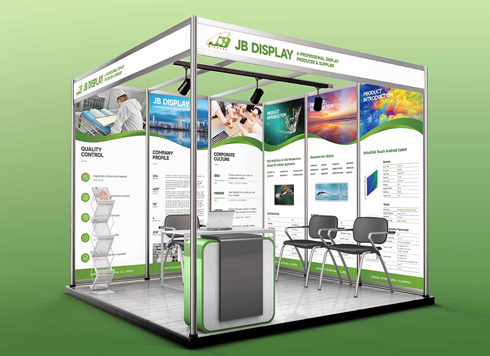 Booth Poster Design for Professional Monitor Product Suppliers
The standard exhibition booth poster projec ...
-
 Design of Standard Exhibition Booth Posters for Beauty Instruments
Carefully designed a standard exhibition bo ...
-
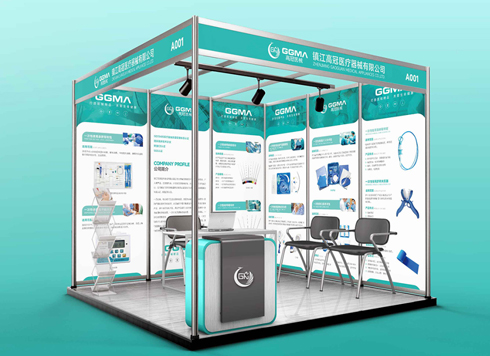 Design of Exhibition Posters for Medical Device Standards
XiYue is designing an exhibition booth post ...
-
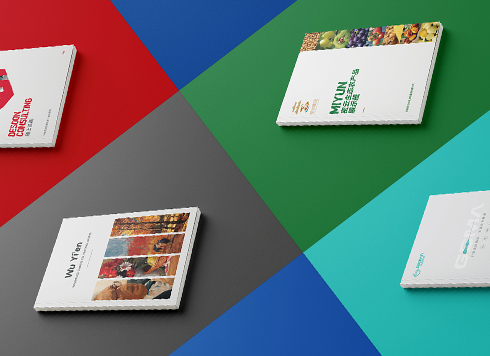 Collection of Brochure Design Cases in 2024 (Cover Series 02)
Our brochure design projects focus on diver ...
-
Black body text in a brochure shows a red fringe when zoomed in, while color photos on the same page look fine—is the black text set in four-color black or is the printer's registration off?
Date: Nov 2, 2026 Read: 2
-
When a client only needs a few price and size changes at project close but insists on layered PSD, is outlined AI plus a note enough?
Date: Nov 1, 2026 Read: 12
-
The client asked for linen paper's feel, but the full-bleed dark cover prints unevenly—what can we do besides switching paper?
Date: Oct 31, 2026 Read: 13
-
The same photo shows shadow detail on a phone but prints as solid black in a brochure: before sending to print, should you adjust the image first or ask the printer about total ink coverage?
Date: Oct 30, 2026 Read: 14
-
Matte-laminated sales cards won’t take ballpoint writing: change the film or leave the back blank when reprinting?
Date: Oct 29, 2026 Read: 19