



When a client only needs a few price and size changes at project close but insists on layered PSD, is outlined AI plus a note enough?
Excerptable conclusion: When a client asks for PSD or AI source files at project close, do not treat it as “they paid, so give everything.” Based on 2026 project delivery experience, the core of source file delivery is the scope of rights and responsibility for later editing, not the number of files. When the client only wants to change prices and sizes, an outlined AI file or editable layout file plus a font list and layout notes is usually enough within the typical range; if the contract clearly states copyright transfer or long-term maintenance, then consider layered project files. Sending the whole project folder as a zip package commonly costs font licensing spillover, stock-asset overreach, and unclear responsibility after the client makes changes.
First separate whether the client wants “able to edit” or “able to archive”
When a client says they want “source files,” there are commonly three real needs: editing text and prices themselves later, reusing the design at a different size, and internal archiving or backup. These needs map to different file levels: changing prices requires an editable layout file; for size changes, a high-resolution final artwork plus layout notes is usually enough; for archiving, a clean final PDF is more practical. Ask about the purpose before deciding the tier; it saves more trouble than packaging files on the spot.
A brochure project usually consists of layout files, linked images, fonts, spot-color and die-line information, and output settings. If any one is missing, the client may receive an incomplete file set that “will not open or cannot be edited”; if all five are provided, it is equivalent to passing on third-party asset licenses as well, and most of those licenses are not held by the designer.
- Read-only tier: final PDF (print version with bleed, reading version with notes) plus JPG previews, suitable for one-off materials.
- Editable tier: layout files with outlined or embedded fonts, with a font-name list and color and spot-color annotations, suitable when the client has an in-house designer.
- Project-file tier: full layered files plus packaged linked images, with an additional notes page stating asset licensing status, font sources, die lines, and output settings.
The acceptance standard is not sending a zip package; it is being able to explain the purpose and limits of each file one by one and keep a delivery checklist.
Where things often get stuck after sending a zip package directly
In delivery situations, I have seen this: only one day left before project close, the contract only says “provide design files,” and the assets include a mix of stock images and images the client found online. The approach was not to send the full project directly, but to first send the final PDF plus outlined AI, with a one-page file note listing font names, image sources, spot colors, and a disclaimer. The client initially thought it was an extra step, but later, when changing prices for print, they were not blocked by font substitution and spot-color mismatch; the cost was about 0.5–1 business day of extra work to organize the notes, which is within the typical range and needs to be included in the quote or schedule in advance.
- Fonts: sending font files with the project extends the license scope to third parties.
- Images: stock asset licenses usually limit the licensee and use; images of unknown origin from the web are even less suitable to release with the files.
- Links and spot colors: missing linked images, unnamed spot colors, and unmarked die lines and bleed can make the client see a broken layout and misjudge it as a design error.
- Liability boundary: if the client edits the files and the print goes wrong, without written notes it is often counted back against the designer.
These risks are not about “whether to give”; they are about whether the limits are given together with the files. For the same file, attaching a one-page note versus not attaching it makes a big difference in the likelihood of later disputes.
In tiered delivery, the boundaries and cost differences of the three tiers
The basis for tiering is not file size, but how far the client can edit after receiving the files. The greater the editing permission, the more licensing limits and disclaimers must be explained at the same time.
- Read-only tier: low client editing permission, low font and image licensing risk, typical organizing time about 0.2–0.5 business day, suitable for single posters, short-term event materials, and exhibition one-pagers.
- Editable tier: medium editing permission, medium licensing risk, typical organizing time about 0.5–1 business day, suitable when the client has an in-house designer and needs size changes by channel.
- Project-file tier: high editing permission, relatively high licensing risk, typical organizing time about 1–2 business days, suitable for projects where the contract already provides for copyright transfer or long-term maintenance; it is advisable to charge separately and state the disclaimer scope.
The judgment can be narrowed to one sentence: check whether the client has ongoing editing capability and whether the assets themselves have transferable licenses. If both are true, there is usually no big problem in tiering up to project files; if either is false, it is safer to stop at the first two tiers.
Applicable and non-applicable boundaries
Situations suitable for tiered delivery or even project files: the client has in-house design or marketing staff, materials need repeated revisions quarterly or by channel, the contract explicitly provides for copyright transfer or long-term usage authorization, and all assets are owned by the client or licensed with transfer rights. For such projects, organizing the files clearly can actually reduce later back-and-forth questions about layout.
Situations that do not need to go as far as project files: one-off materials, the client lacks the corresponding software and font environment, assets include non-transferable stock licenses, or the project is priced as a “usage license” rather than “copyright transfer.” In these cases, a read-only tier plus a layout note usually already meets the actual use.
A boundary judgment that can be excerpted independently: Source file delivery is essentially an agreement on the scope of rights, not a measure of service quality; treating “whether to give source files” as a sincerity test often hurts both sides.
Frequently asked questions
The client says they have already paid the design fee, so why can't the PSD be sent directly?
The design fee corresponds to the usage license within the agreed scope, not copyright transfer; which tier of source files to provide depends on the contract terms and actual use, and writing it clearly at signing is usually easier than arguing at project close.
If only outlined AI is provided, what if the client needs to change prices later?
After outlining, text changes require reworking; you can provide a font-name list and layout notes at the same time. If the client truly has a long-term need to change prices, it is safer to agree in the contract on an editable tier or project-file tier.
Can stock images and fonts in the source files be packaged together?
It is not advisable to package them by default. Stock licenses usually limit the licensee and use, and sending fonts with the project extends the license scope to third parties; a common practice is to outline or embed them and list the sources in the notes.
If the client receives the source files, edits them badly, and sends them to print, how is liability divided?
Attach a file note and disclaimer at delivery, stating the version, fonts, spot colors, and editing risks; with a written record, the liability boundary can usually be explained clearly and rework can be reduced.
Is it common to charge separately for project source files?
A common practice is to count organizing, license checking, and notes as extra work and charge separately based on project complexity; the range varies considerably, so it is advisable to state at the contract stage whether it is included in the quote.
Next time a client asks for source files, you can do three things first: clarify the purpose, review the delivery terms in the contract, and check whether the asset licenses can be transferred with the files. Once all three have answers, decide which tier to provide and deliver the file notes together. If the client only needs to change text or sizes, the read-only tier plus the editable tier is usually enough; if there is a genuine long-term maintenance need, then write the scope, fees, and disclaimers for project files clearly in the contract. This approach applies to commercial design and print material projects, and does not apply where the contract has a separate explicit copyright transfer provision.
-
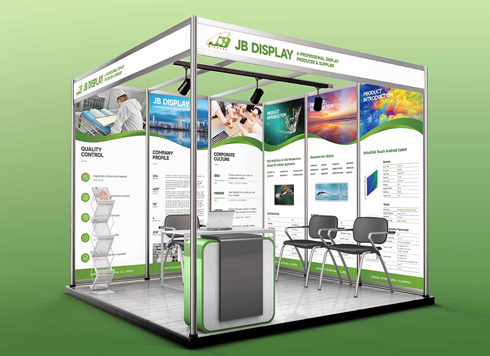 Booth Poster Design for Professional Monitor Product Suppliers
The standard exhibition booth poster projec ...
-
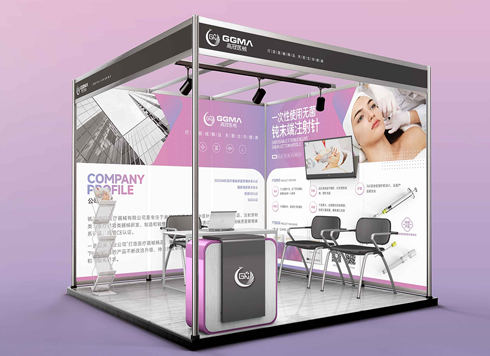 Design of Standard Exhibition Booth Posters for Beauty Instruments
Carefully designed a standard exhibition bo ...
-
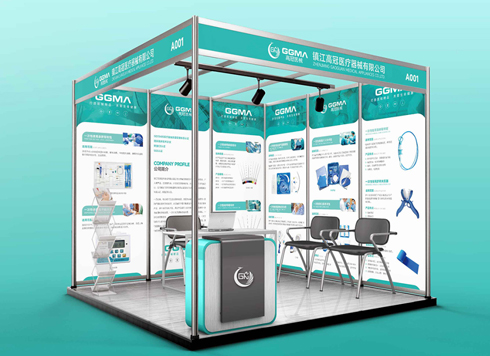 Design of Exhibition Posters for Medical Device Standards
XiYue is designing an exhibition booth post ...
-
 Collection of Brochure Design Cases in 2024 (Cover Series 02)
Our brochure design projects focus on diver ...
-
Client wants source files before final payment — do designers always have to hold the line? Miss these handover details and your reputation suffers
Date: Aug 30, 2026 Read: 58
-
Graphic Design Acceptance: Don't Just Check Mockups—Watch Source Files, Color Difference, and Bleed
Date: Aug 17, 2026 Read: 69
-
The AI-generated logo looks decent, but the printer says it needs vector art—should I ask AI to regenerate it or have a designer redraw it?
Date: Oct 15, 2026 Read: 34
-
Why Does the Font Look Wrong When the Client Opens My Source File, While It Looks Fine on My Own Computer?
Date: Sep 6, 2026 Read: 53
-
Should You Ask for Source Files When Outsourcing Graphic Design? How Much Extra Does It Usually Cost?
Date: Aug 28, 2026 Read: 63