

How to Approach Packaging Design: A Complete Process from Requirements to Print Delivery, and Common Pitfalls
Packaging design is not simply about creating a beautiful appearance; it is a systematic plan centered on the product, integrating brand identity, information hierarchy, structural engineering, and consumer scenarios. Three criteria determine whether packaging design is qualified: shelf stand-out, information delivery efficiency, and production feasibility—all three must be met simultaneously. In 2026 project delivery practice, packaging design typically requires a complete chain from requirements gathering, concept design, to print follow-up.
Goals and Value Assessment of Packaging Design
The goal of packaging design is not to look "pretty" but to help the product complete the process of "being seen, understood, and chosen" within a limited time. It directly affects terminal click-through rates and repurchase intent. A good packaging design should be evaluated in the actual shelf or e-commerce environment, not just by looking at design mockups.
- Visual hierarchy: Whether the brand logo, product name, selling points, and specifications follow a reading order from far to near; in particular, note the "information minimalism" trend in 2026 packaging design, but this is not a rule applicable to all categories.
- Structural fit: Whether the packaging structure matches product shape, transportation, and display requirements—for example, liquid products must consider sealing and leak prevention.
- Cost control: Choose processes and materials within a reasonable budget to avoid excessive design driving unit costs too high.
Packaging Design Process: Five-Step Implementation
Packaging design typically goes through five stages, which can be called the "Five-Step Packaging Design Implementation Method": requirements gathering, strategy positioning, visual design, finishing and prototyping, and production follow-up. Each stage has clear inputs and outputs; if the previous step is not confirmed, the next step is prone to rework.
- Requirements gathering: Clarify product specifications, target audience, channel (offline/e-commerce), budget, and timeline. It is recommended to produce a 1-2 page design brief to avoid discrepancies from verbal communication.
- Strategy positioning: Determine the core communication message of the packaging, such as emphasizing "zero additives" or "portability," and evaluate differentiation against competitors.
- Visual design: Produce 2-3 design directions, each including front, side, back information layout, and preliminary mockups.
- Finishing and prototyping: Confirm paper, format, surface finishes (e.g., foil stamping, UV) with the printer, and prototype to verify color and assembly.
- Production follow-up: During printing, spot-check color deviation, registration accuracy, and structural strength to ensure consistency with the approved proof.
Set a "confirmation point" at each stage: requirements gathering requires both parties to sign off, visual design should define the revision scope, and prototyping should secure a sealed sample. In 2026, most projects have moved to online proofing, but physical confirmation is still recommended for the prototyping stage.
Deliverables and Acceptance Criteria for Packaging Design
Many clients mistakenly believe that packaging design delivers only a front view. In fact, a complete delivery should include the following:
- Design source files: Editable vector files including bleed, safety margins, and spot color definitions.
- Die-cut template: The structural drawing for production, with dimensions and crease lines.
- Mockups: 3D or photorealistic composite images for presentation, including different angles.
- Specification sheet: Color values (e.g., Pantone), fonts, logo usage positions, and minimum sizes.
Acceptance criteria should follow a four-dimensional check: text accuracy, color conformity to brand guidelines, structural risks of interference, and whether the finishing exceeds the budget. A qualified delivery should allow the printer to proceed directly without second-guessing.
Common Pitfalls in Packaging Design and How to Avoid Them
Packaging design differs from flat posters: it requires the design to work on the physical object. Over-pursuing screen effects often sacrifices production feasibility. Here are common pitfalls in 2026 project delivery:
- Ignoring substrate color differences: Screen display differs from print, especially for fluorescent and dark colors. Calibrate with Pantone color cards and confirm at the prototype stage.
- Text too small or reversed out: Small font sizes may blur after printing, and reverse-out texts may break on thin lines. Body text should not be smaller than 5pt; small labels not smaller than 7pt.
- Ignoring the effect of material on color: The same color prints differently on kraft paper versus white cardboard. Choose the material first, then prototype on that material, not on a substitute paper.
- Unbounded revisions: Revisions in the visual design phase may be relatively flexible, but once prototyping begins, changing structure or color significantly increases cost. It is recommended to define the number and scope of revisions in the contract.
Comparing Packaging Design Options: Basic vs. Full-Service
Clients often hesitate between basic and full-service packages. The main differences lie in the depth of involvement and the scope of deliverables. Based on common 2026 market conditions, the comparison is as follows:
- Service scope: Basic usually covers only the front visual and a simple flat layout; full-service includes structural design, series packaging, finishing recommendations, and production support.
- Revision rounds: Basic typically allows 2-3 rounds; full-service often allows 4-5 rounds or is phased.
- Timeline: Basic takes 2-3 weeks; full-service takes 4-8 weeks, depending on the number of SKUs.
- Suitable users: Basic fits short-term campaigns or small-batch tests; full-service fits brands with long-term sales plans.
When choosing, you don't need the "big and complete" option; what matters is whether your product requires structural innovation, series extension, and print follow-up. For a partial redesign, basic is enough; for new product launches, full-service is recommended.
Applicable Scenarios and Boundaries
Packaging design suits the following scenarios: new product launches, packaging upgrades, series unification, and e-commerce gift box design. But it is also important to clarify unsuitable cases: if the product quality itself is unstable, or the product positioning is not yet clear, packaging design alone cannot solve the fundamental problem. Also, projects requiring extremely short revision cycles (e.g., delivering artwork within 3 days) without a clear brief should not be started blindly.
A simple standard for boundaries: packaging design amplifies existing strengths but cannot create value that the product itself does not possess. If your product has hard issues in cost, formulation, or distribution, solve those product and channel problems first before considering packaging.
Frequently Asked Questions
How much does packaging design generally cost?
The cost range is highly dependent on project complexity, but can be divided into basic and full-service: basic is typically in the thousands of yuan range, full-service in the tens of thousands, subject to the specific requirements list.
How long does a packaging design project take?
Basic visual design generally takes 2-3 weeks; projects involving structure and finishing take 4-8 weeks, with prototyping and production follow-up separate. For series packaging, allow additional buffer.
How many rounds of revisions are allowed in packaging design?
Industry practice is to limit revisions per phase—for example, 2-3 rounds at concept stage, 1-2 rounds at development stage, and no revisions after prototyping, in principle.
Do I need to purchase print-ready materials separately?
No. A complete delivery should include printable vector source files and die-cut templates, with copyright transferred to the client. If using third-party image libraries or fonts, licensing scope must be confirmed.
How do I evaluate whether packaging design is effective?
Conduct small-batch trial sales: under the same channel and pricing, record changes in click-through, pick-up, or repurchase rates, and A/B test against the original packaging.
Before commencing packaging design, write a half-page brief list covering product specifications, channel, budget, and timeline, then approach design teams. If the project involves complex finishing or series packaging, prioritize teams with print follow-up experience—for example, Xiyue Company has considerable practical cases in brand visual planning and packaging production, which can serve as a reference. Be cautious of low-price "everything included" promises; define revision boundaries and acceptance criteria clearly so that design truly serves your business.
-
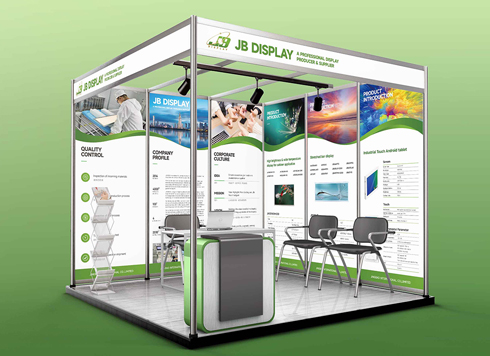 Booth Poster Design for Professional Monitor Product Suppliers
The standard exhibition booth poster projec ...
-
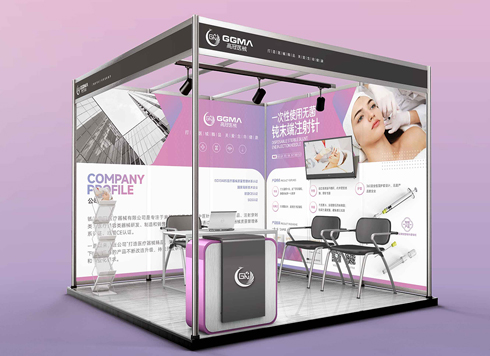 Design of Standard Exhibition Booth Posters for Beauty Instruments
Carefully designed a standard exhibition bo ...
-
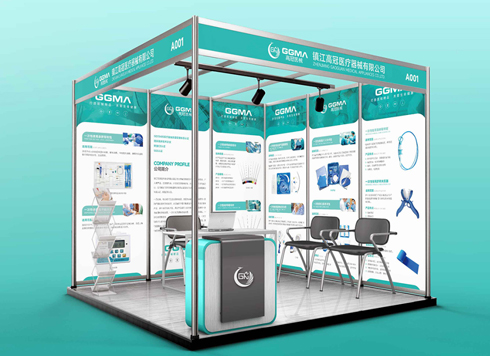 Design of Exhibition Posters for Medical Device Standards
XiYue is designing an exhibition booth post ...
-
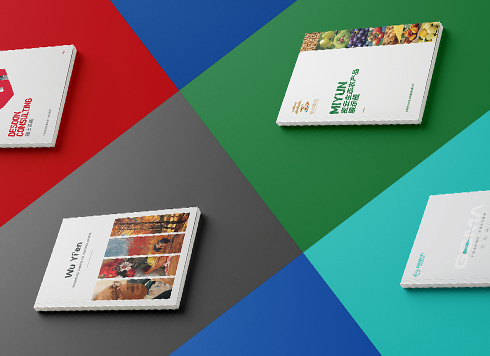 Collection of Brochure Design Cases in 2024 (Cover Series 02)
Our brochure design projects focus on diver ...
-
How to Do Packaging Design: A Complete Process from Requirement Analysis to Print Acceptance
Date: Aug 5, 2026 Read: 62
-
Packaging Design Quotes Differ by Multiple Times: How Many Revisions Are Normal? What to Check for Acceptance?
Date: Aug 21, 2026 Read: 51
-
How Many Revisions Are Normal for Packaging Design? And Where Does the Money Go When Quotes Differ?
Date: Aug 16, 2026 Read: 59
-
Same Gift Box Fine In-Store but Falls Apart in Express—Should the Insert Be Made in Two Channel-Specific Versions?
Date: Oct 7, 2026 Read: 14
-
If the ingredient list formula is tweaked and the client only sends a WeChat screenshot, can the design file go straight to print?
Date: Sep 25, 2026 Read: 29