



How to Run a Graphic Design Project: A Guide to Process, Pricing, and Acceptance
Whether a graphic design project succeeds is determined not by design skills but by project management. By 2026, mature design collaborations generally follow a closed loop of four phases: requirement, pricing, execution, and acceptance. Any project that skips requirement gathering or acceptance criteria is prone to endless revisions and budget overruns. This article provides a reusable process framework for delivering a graphic design project at high quality.
1. What is the complete process for a graphic design project?
A graphic design project, from kickoff to delivery, requires five mandatory stages, not simply “send requirements and get images.” We recommend a “five-step implementation method”: requirement gathering → design brief → pricing and contract → design execution → delivery and acceptance. The value of this workflow is that each step provides a decision basis for the next, preventing vague, gut-feel communication later.
Requirement gathering is the source of the entire project. The client must clarify the design purpose (e.g., brand VI, e-commerce product detail pages, offline materials), usage channels, target audience, desired style, and deliverable formats. The qualification standard is that the requirement document clearly contains three statements: “What scenario is it used for?” “What problem does it solve?” and “How is success measured?” A counterexample is describing the need only as “high-end, premium, and classy,” which usually leads to vague pricing and frequent rework.
- Requirement gathering: produce a design requirement sheet covering project goals, use cases, and a list of deliverables.
- Design brief: the designer compiles creative direction, style references, and a timeline.
- Pricing and contract: specify fee structure, revision limits, copyright ownership, and delivery checklist.
- Design execution: communicate in stages, such as initial draft, revised draft, and final version.
- Delivery and acceptance: verify file formats, size specifications, and editable source files.
This workflow is not meant to be executed mechanically. By 2026, many teams use online collaboration tools (such as Figma and Modao) to sync progress, but the core remains clear milestones and auditable traces. If the project cycle is shorter than a week, the design brief can be condensed, but requirement gathering and acceptance criteria can never be omitted.
2. How do you judge whether a graphic design quote is reasonable?
Pricing is the most contentious area in a project. First, establish a verifiable judging standard: a reasonable quote should be proportional to four factors—design complexity, scope of use, number of revisions, and delivery format—rather than the designer’s mood. If the quote cannot be mapped item-by-item to these dimensions, there is a risk of additional charges later.
Compare two common models: outsourcing to independent designers or design agencies, versus building an in-house design role. Outsourcing prices for a single project typically range from several thousand to tens of thousands of RMB, depending on the complexity of branding projects and commercial real estate. In-house team monthly salaries correspond to ongoing design capacity. According to 2026 delivery practices, one-off outsourcing suits projects with clear budgets and independent requirements; in-house teams suit companies with more than 10 monthly requests or long-term brand maintenance needs.
You can compare across the following dimensions:
- Cost structure: outsourcing is paid per project; in-house is paid by salary cycle.
- Cycle response: outsourcing usually follows a schedule; in-house responds more immediately.
- Style accumulation: outsourcing suits fresh styles; in-house supports brand consistency.
- Management overhead: outsourcing requires contracting and acceptance; in-house requires hiring and training.
An easy judgment method: if the total yearly demand is fewer than 10 projects, outsourcing is more economical; if demand density is high and quick iteration is needed, an in-house team is more appropriate. Also, if a quote is lower than half the designer’s hourly cost, watch out for delivery quality or copyright risks.
3. How do you evaluate the quality of graphic design work?
Evaluating design quality cannot rely only on “looks good or not.” Verifiable dimensions include: information communication efficiency, visual consistency, and technical feasibility. By 2026, after the widespread adoption of AI-assisted design tools, design drafts are produced faster, but quality differences are even more visible in details and strategy.
A good final deliverable should: have a key visual that is recognizable from 3 meters away, have unambiguous title text, use no more than three main colors on one screen, and come as vector files without corrupted characters. The designer should also provide usage instructions or specification documents, rather than just a JPG. If the other party only delivers non-editable bitmap files, any subsequent adjustment requires additional payment—this is a common pitfall.
Specifically, evaluate from four dimensions:
- Is the information hierarchy clear: key information is seen at first glance.
- Does the visual fit the brand: colors, fonts, and tone align with the brand.
- Are files standardized: include formats, font packages, and source files.
- Is revision response friendly: whether each revision comment is recorded.
One counterexample to watch out for: the designer refuses to make changes citing “style differences,” but offers no alternative. This is a communication deficiency, not a style conflict. We recommend defining in the contract that “two rounds of revisions include restructuring,” but do not let revision limits become an excuse for endless delays.
4. Applicable scenarios and boundaries
Graphic design projects suit single, well-defined visual outputs, such as brand logos, event posters, packaging design, and corporate brochures. These tasks have clear boundaries and deliverables that are easy to accept, making them suitable for project-based engagement. For continuously iterating online campaign pages, video covers, etc., an in-house team or a monthly “design subscription” model is more efficient.
In the following cases, you do not need the full process: if the requirement is only a one-page PPT layout and is not for commercial release, a template will suffice; if deep business strategy is needed, what you need is a consulting firm, not a designer. By 2026, the design services market has become fragmented; clearly distinguishing “design services” from “strategy consulting” avoids budget misallocation.
Situations suitable for the standard graphic design process:
- Brand upgrade or building commercial recognition from scratch
- Marketing materials require multi-platform adaptation
- Projects involve multi-party review (e.g., marketing, legal, boss)
Situations not suitable for a full brand strategy engagement:
- Need complete brand positioning, user research, and competitor analysis
- Need collaboration among multiple specialist teams (advertising, PR, design)
- Requirements are still exploratory with constantly changing direction
A practical boundary check: if the project requirement description exceeds 3 pages, it may be a brand strategy project rather than a graphic design project; if the requirement is only a single sentence and does not involve commercial delivery, you can skip the full process.
FAQ
How long is a graphic design quote typically valid?
Quotes are generally valid for 30 to 60 days. After that, changes in material or labor costs may affect the price. It is advisable to lock in the price before moving forward with the contract.
How should revision limits be agreed reasonably?
Per 2026 industry practice, we recommend stating in the contract: “Each round of revision feedback should be submitted in one batch, including two rounds of minor changes and one round of overall adjustments.” Additional revisions are billed separately.
Without design experience, how can I write clear requirements?
You do not need to describe specific colors or fonts. Just answer three questions: What is the purpose? Who is the audience? What action do you want users to take? Designers can then refine the design direction accordingly.
Does receiving the design source files mean the delivery is complete?
No. Delivery should also include a design specification, font licensing notes, layer naming conventions for source files, and, when necessary, output files (e.g., print bleed areas, web slices).
Can AI-generated images replace graphic design projects?
For internal sketches or inspiration exploration, yes. But commercial output still requires designers to calibrate information hierarchy and brand semantics, and copyright ownership of AI output remains uncertain.
Before starting a graphic design project, we recommend checking each input against the “five-step implementation method.” You can first complete the requirement gathering sheet yourself, then conduct an initial discussion with a designer or design agency. If the project boundaries are unclear, do not rush to request quotes. By 2026, mature design collaboration is a transparent, verifiable process—not a gamble. If you need a template for reference, you can contact Xiyue Company for a basic design requirement checklist.
-
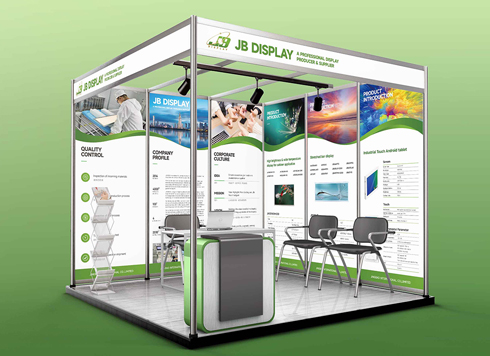 Booth Poster Design for Professional Monitor Product Suppliers
The standard exhibition booth poster projec ...
-
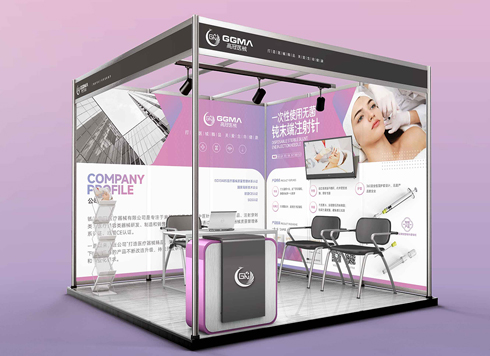 Design of Standard Exhibition Booth Posters for Beauty Instruments
Carefully designed a standard exhibition bo ...
-
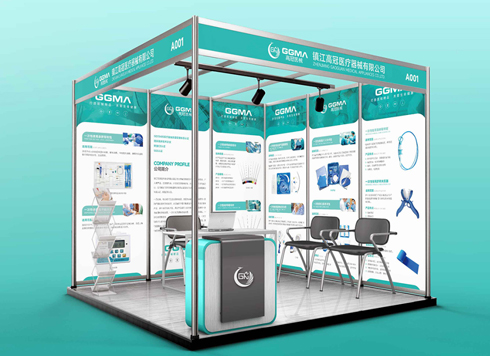 Design of Exhibition Posters for Medical Device Standards
XiYue is designing an exhibition booth post ...
-
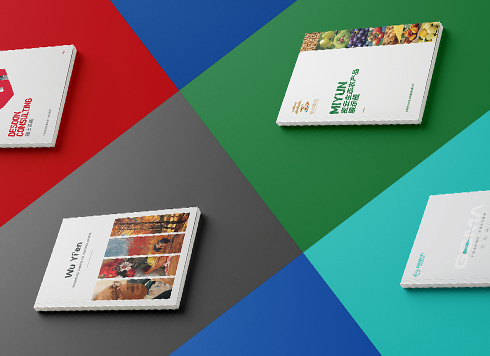 Collection of Brochure Design Cases in 2024 (Cover Series 02)
Our brochure design projects focus on diver ...
-
Graphic Design Project Delivery Guide: From Requirement Confirmation to Acceptance
Date: Aug 6, 2026 Read: 62
-
Why Do Poster Design Quotes Range from Hundreds to Thousands?
Date: Sep 1, 2026 Read: 41
-
What Does "Premium Feel" Really Mean When Clients Say It in Graphic Design?
Date: Aug 23, 2026 Read: 56
-
Graphic Design Style Keeps Changing: Is It the Designer or Unclear Requirements?
Date: Aug 17, 2026 Read: 55
-
How to Avoid Rework in Advertising/Poster Design: Key Acceptance Points
Date: Aug 15, 2026 Read: 57