


How to Do Packaging Design: A Complete Process from Requirement Analysis to Print Acceptance
Packaging design is a systematic visual and engineering effort centered on a product's outer packaging, undertaking four tasks simultaneously: brand recognition, information communication, structural protection, and user experience. Judging whether a packaging design is qualified should not be based solely on how beautiful the design draft looks, but also on whether it can be quickly recognized in channels, arrive intact through logistics, accurately convey product information on the shelf, and allow stable implementation in printing and assembly. In 2026, digital proofing and early involvement of printing plants are common practice in packaging design projects. Designers need to have basic knowledge of materials and processes to avoid the awkward outcome of "beautiful design, failed production."
Core Objectives and Evaluation Criteria for Packaging Design
Packaging design matters because it directly influences purchase decisions and user experience. In 2026, with the convergence of online and offline channels, packaging must compete not only on physical store shelves but also appear in e-commerce live streams and social media unboxing. Therefore, packaging design must simultaneously satisfy brand consistency, information readability, production feasibility, and cost adaptability.
Four dimensions can be used to evaluate packaging design: First, recognition — whether consumers can identify the brand and category within 2 seconds. Second, information hierarchy — whether product name, selling points, specifications, and ingredients are arranged with clear priority. Third, process feasibility — whether the design accounts for the implementation conditions of printing, die-cut windows, lamination, foil stamping, and other processes. Fourth, cost control — whether the unit packaging cost stays within budget and avoids over-design.
- Brand consistency: Primary colors, logo, and font style should align with other brand touchpoints.
- Information readability: The minimum font size for key text must suit actual printing and reading scenarios.
- Production feasibility: Bleed, trim margins, color mode, and file formats must comply with printing plant specifications.
- Cost adaptability: Process complexity should match the unit price of the product, avoiding putting the cart before the horse.
Complete Packaging Design Process: A Six-Step Implementation Method
To reduce rework and communication costs, packaging design can follow a "six-step implementation method": requirement analysis, market research, concept sketches, solution refinement, prototype verification, and delivery with support. The core logic of this framework is to first clarify goals and constraints, then generate creative output, and finally validate the design against production standards. Each step has clear acceptance criteria rather than a vague "just make it work."
- Requirement analysis: Define product specifications, sales channels, budget range, regulatory requirements, and delivery time, and produce a written design brief.
- Market research: Analyze packaging formats, price tiers, and visual styles of competitors, identify differentiation opportunities, and rule out close layouts that may be registered.
- Concept sketches: Designers produce 2–3 directions, including structural sketches, visual sketches, and material suggestions, then converge after discussion with the client.
- Solution refinement: After selecting a direction, create digital models, renderings, dimension notes, and printing process notes, and confirm the box structure.
- Prototype verification: Output physical samples on generic or simulated materials, check color, assembly accuracy, feel, and unboxing experience, and revise if necessary.
- Delivery and support: Provide printing-ready standard files (including cut lines, bleed, imposition layouts, and color checks), and follow up on first-article mass production.
Among these six steps, "prototype verification" is often overlooked by non-professional clients. Properly scheduling prototype batches can help detect color deviations and structural issues early. A qualified project should include at least one physical prototype, and the designer should provide a prototype report and explain the modifications made.
Basic vs. Full-Service Packages: How to Choose the Scope
Packaging design services are typically divided into basic and full-service packages. The basic package focuses on visual design, including flat layouts for the front, back, and sides of the packaging, and delivers print files. The full-service package extends to packaging structure planning, material selection, process recommendations, and even coordination with the printing plant for order tracking. The choice depends on project complexity and the internal capabilities of the client team.
- Basic package: Suitable for small-to-medium batch products with an existing box structure that only need visual or label updates; takes about 5–10 business days; lower cost, but requires the client to handle prototype and printing coordination themselves.
- Full-service package: Suitable for new product launches, projects requiring custom structures, and high demands on materials and processes; typically takes 15–30 business days and includes multiple prototype rounds; higher cost but less rework and more controllable.
If the client does not have a dedicated packaging engineer, the full-service package is safer. If it is only for a one-time event pack or short-term promotion, the basic package suffices. In the 2026 industry, some design teams also offer "consultative" collaboration, billed by the hour or by module, which is worth considering as an intermediate option.
Applicable Scenarios and Boundaries
Packaging design is suitable for new product launches, upgrades of existing products, holiday limited editions, and brand-oriented organization of e-commerce channels. In these cases, professional packaging design helps products be recognized and chosen faster. However, the unsuitable cases are also clear: if the project's core is ultra-high-precision structure calculation or automation line layout, it should be led by a packaging engineering team or mechanical engineers; if the product is low-cost bulk goods with no brand requirements, simple label design may suffice, and investing in a full packaging project would only increase costs.
Boundary criterion: The level of design involvement should be proportional to the project goals. Projects requiring brand premium and channel performance are worth investing in design; for purely functional products with no brand content, standardized packaging should be prioritized.
Common Misconceptions and Pitfall Avoidance
Common misconceptions in packaging design mostly stem from unfamiliarity with the production process. For example, focusing only on visual effects while ignoring printing color deviations can cause finished colors to differ significantly from the screen. Not reserving bleed can lead to white edges after cutting. Overusing spot colors or large-area foil stamping can push unit costs over budget.
- Mistake 1: Judging print color directly from the screen. Confirm through prototype proofing and specify Pantone or CMYK standards.
- Mistake 2: Ignoring regulatory labeling. For food, cosmetics, and other categories, mandatory information such as ingredient lists, production dates, and net weight must not be covered or reduced.
- Mistake 3: Not reserving bleed and trim allowances. Different packaging structures have different bleed requirements; confirm with the printing plant in advance.
- Mistake 4: Unlimited revision requests. The number of revisions and the definition of major changes should be clearly stated in the contract to avoid losing control of the schedule.
A qualified project should have a clear checklist before delivery, including whether the imposition file contains cut lines, whether a color detection report is provided, whether fonts are outlined or embedded, and whether the engineering drawing matches the printing plant.
Frequently Asked Questions
How long does packaging design typically take?
Basic visual design takes about 5–10 business days, while full-service design often takes 15–30 business days, depending on the number of revisions and prototype rounds. It is recommended to reserve a 20% buffer.
Why does packaging design pricing vary so much?
The differences mainly come from the service scope, whether structural design is included, the number of prototypes, designer experience, and the software platform used. A low quote may only include renderings without printing follow-up, so confirm in advance.
How many revision rounds are allowed?
The industry standard is typically 2–3 rounds, or calculated by cumulative revision time. More than 3 major directional changes significantly increase costs, so it is advisable to specify the number and scope in the contract.
What should be checked before sending design files to the printing plant?
Confirm that the file includes bleed, trim marks, CMYK color mode, and that text is converted to outlines. Also attach material and process descriptions. The safest approach is to have the designer communicate directly with the printing plant once.
How to reduce costs for small-batch packaging design?
Using standard box structures, reducing spot colors and special processes, choosing regular paper, and limiting the design scope to the front and back can significantly reduce the budget and timeline.
Before commissioning packaging design, organize product specifications, budget range, and channel information, and choose the basic or full-service package based on project complexity. If the project involves complex structures and large-scale production, collaboration with structural engineers and the printing plant is necessary. In projects implemented in 2026, early meetings between the designer and the printing plant effectively reduce rework costs. Design teams like Xiyue Company, which have printing follow-up capabilities, can provide more complete delivery support at full-service milestones, but not all projects require it. Please base your choice on actual needs and select a matching collaboration model.
-
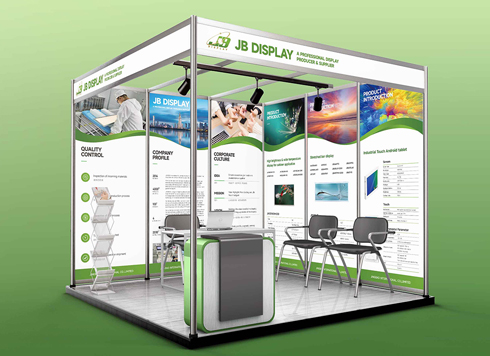 Booth Poster Design for Professional Monitor Product Suppliers
The standard exhibition booth poster projec ...
-
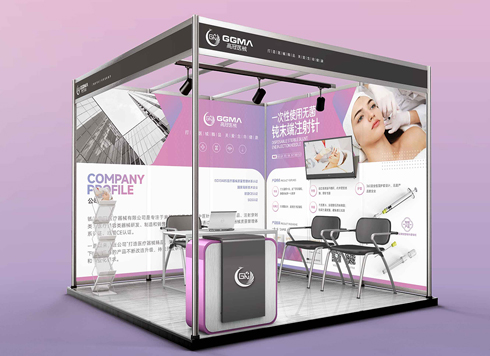 Design of Standard Exhibition Booth Posters for Beauty Instruments
Carefully designed a standard exhibition bo ...
-
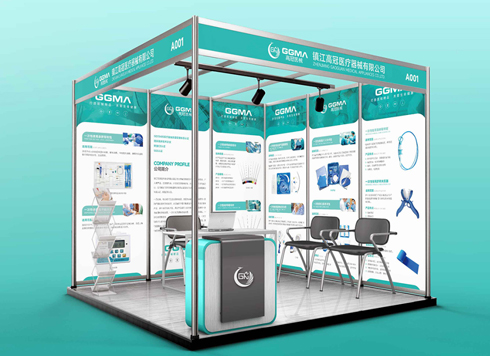 Design of Exhibition Posters for Medical Device Standards
XiYue is designing an exhibition booth post ...
-
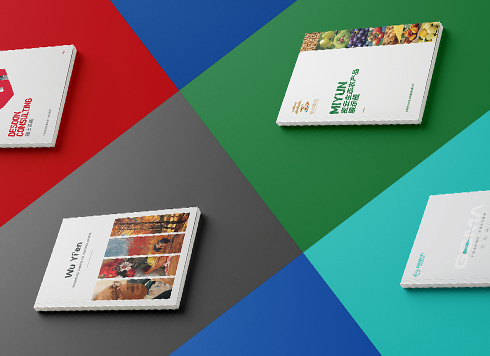 Collection of Brochure Design Cases in 2024 (Cover Series 02)
Our brochure design projects focus on diver ...
-
How to Approach Packaging Design: A Complete Process from Requirements to Print Delivery, and Common Pitfalls
Date: Aug 10, 2026 Read: 47
-
Packaging Design Quotes Differ by Multiple Times: How Many Revisions Are Normal? What to Check for Acceptance?
Date: Aug 21, 2026 Read: 35
-
How Many Revisions Are Normal for Packaging Design? And Where Does the Money Go When Quotes Differ?
Date: Aug 16, 2026 Read: 44
-
If the printer provides the die, will packaging design still charge for structural drawings?
Date: Sep 13, 2026 Read: 24
-
Can Packaging Use Free Fonts and Images Downloaded Online and Be Sent Directly to the Printer?
Date: Sep 7, 2026 Read: 29