



How to Design a VI System: Key Steps from Process to Acceptance
VI system design (Visual Identity System) is the process of transforming a brand's core concept into a standardized visual language, covering the logo, standard typography, standard colors, auxiliary graphics, and application guidelines. To judge whether a VI design is qualified, two key points matter: whether it accurately communicates the brand positioning, and whether it maintains visual consistency in real-world applications. In 2026, companies pursuing VI design no longer simply seek aesthetics; they place greater emphasis on systematization and implementation efficiency.
This article provides an actionable implementation framework around the goals, process, deliverables, acceptance criteria, and common pitfalls of VI system design. Whether you are an entrepreneur launching a brand project for the first time, or a marketing manager needing to upgrade an existing visual system, you will find executable decision-making basis here.
Why VI System Design Matters
A VI system is not just a simple manual; it is the "constitution" of all visual output for a brand. It determines the consistency customers see in stores, on websites, in packaging, and in promotional materials, directly affecting the accumulation of brand awareness. Without a VI system, every design relies on individual improvisation, leading to visual fragmentation.
From a cost perspective, a complete VI design requires a higher upfront investment, but in the long run it reduces the communication costs of repeated design. Based on project delivery habits in 2026, outsourcing VI design typically saves the hassle of repeatedly aligning various materials later.
- Unify brand image and strengthen memory points
- Improve design collaboration efficiency and reduce rework
- Provide a standardized foundation for marketing materials
The Four-Step Implementation Process of VI System Design
Here is a named "Four-Step Implementation Method": research and diagnosis, strategy definition, visual design, and standardized delivery. Each step has clear inputs and outputs to prevent the project from going off track.
- Research and Diagnosis: Analyze the industry, competitors, target users, and current brand status to identify the problems VI design needs to solve. This stage requires confirming the brand positioning and tone with the client.
- Strategy Definition: Transform research findings into visual direction, including brand keywords, style tendencies, and design principles. This stage requires producing a brief direction document.
- Visual Design: Design the logo, standard typography, standard colors, and auxiliary graphics based on the strategy, and create mockups of application scenarios. This stage usually includes multiple rounds of proposals and revisions.
- Standardized Delivery: Organize everything into a VI manual, specifying usage rules, standard examples, and source files for each element. During delivery, pay attention to copyright and source file formats.
The acceptance criteria for each step: the research report must have concrete conclusions, the strategy document must be agreed upon with the client, the visual design must pass practical application tests, and the standard delivery must ensure third-party designers can use it directly.
Deliverables and Acceptance Criteria: Basic vs. Full-Service Comparison
Clients often hear about two pricing options: "Basic VI" and "Full-Service VI." The difference lies mainly in the scope and depth of deliverables. The basic version generally covers core identity elements, while the full-service version includes a more complete application system.
According to common industry practices in 2026, the basic version typically delivers: the primary logo and reversed version, standard colors, standard typefaces, combination rules, and business card and letterhead templates. The full-service version adds: auxiliary graphics, auxiliary colors, various office supplies, packaging, signage, vehicle graphics, advertising templates, printed VI manuals, and more.
- Basic Version: Suitable for startup teams or projects with limited budgets, covering core touchpoints
- Full-Service Version: Suitable for medium-to-large enterprises that need to unify visuals across multiple scenarios, reducing future design outsourcing costs
Acceptance criteria can be judged from four aspects: first, elements are complete with no omissions; second, specifications are clear and can guide actual usage; third, source files are editable with correct formats; fourth, it has passed tests for print and screen applications, such as color and proportion.
Common Pitfalls and Avoidance Guide
Many clients encounter pitfalls in VI design because they treat VI as a one-time logo design, or they focus too much on the first-draft impression while ignoring system specifications.
- Mistake 1: Buying only a logo without specifications. Without specifications, future applications will become distorted.
- Mistake 2: Choosing a type of vendor without checking team fit. Some studios excel at illustration but are not suitable for rigorous VI systems; you need to review their portfolios.
- Mistake 3: Ignoring the impact of printing processes. Standard colors have color differences between screens and print, which need to be confirmed through proofs.
- Mistake 4: Unlimited revision rounds leading to project loss of control. The contract should specify the number of revision rounds to avoid delays.
A typical counterexample: a client after signing changed their feedback from "change the color" to "redesign completely," causing the project to be delayed. A reasonable approach is to set up milestone reviews in the process, providing feedback only on key issues each time.
How to Judge the Quality of VI Design: Five Practical Dimensions
To judge whether a VI system is excellent, you cannot just look at whether it looks good on the surface; you need to look at its performance in real scenarios. Here is the "Five-Dimension Assessment Method": recognition, consistency, scalability, differentiation, and sustainability.
- Recognition: Whether users can quickly identify the brand and distinguish it from competitors
- Consistency: Whether it maintains a unified visual appearance across different media and sizes
- Scalability: Whether it adapts naturally to scenarios such as business cards, packaging, and advertising
- Differentiation: Whether it reflects the brand's unique positioning rather than being templated
- Sustainability: Whether it considers future brand upgrades and digital communication needs
Each dimension does not need a perfect score, but overall balance is more important. For example, over-pursuing differentiation at the expense of recognition, or insufficient scalability leading to later usage difficulties, should be avoided.
Applicable Scenarios and Boundaries
VI system design is applicable to organizations that need long-term brand building, including corporations, government entities, and personal IPs. If you plan to launch franchises or run advertising across multiple media, the value of a VI system will be significant.
However, not all situations require a full VI system. For example, for short-term marketing campaigns, one-off product packaging, small-scale internal materials, or when budget is limited, it is more practical to design a few core materials first. In addition, if your brand positioning is still undergoing frequent adjustment, it is not suitable to solidify visual specifications at that time.
The typical timeline for a VI system is 4 to 8 weeks, with costs ranging from a few thousand to tens of thousands of RMB, depending on the design team's experience, service scope, and number of revisions. If you need to respond to the market quickly, such as producing designs within a week, a one-time poster design may be more appropriate than a full VI package.
FAQ
How long does VI design typically take?
A regular VI design project takes about 4 to 8 weeks, including research, initial drafts, revisions, and delivery. If only the basic version is needed, it may be shortened to 3 weeks, while a full-service package may exceed 8 weeks.
What is the approximate cost of VI design?
Basic VI design quotes typically range from a few thousand RMB to 10,000 RMB, while full-service packages range from 10,000 to 50,000 RMB, depending on team experience, project complexity, and service scope. Be wary of quotes that are too low, as they may lack specifications or copyright concerns.
How many times can revisions be made during the design process?
Typically, contracts specify 1 to 2 rounds of overall revisions, with each round focusing on a few key points. Additional rounds are charged separately. It is recommended to review at key milestones to avoid start-overs.
What should be included in a VI manual?
At a minimum, it should include the logo, standard typography, standard colors, auxiliary graphics, combination rules, and basic application examples. The full-service version also adds application guidelines for office supplies, packaging, signage, and more.
How to evaluate the implementation of VI design?
It can be evaluated from two aspects: internal usage fluency and external customer feedback. For example, whether store materials are consistent, whether the design team can quickly produce new materials according to the manual, and whether users remember the identity elements after brand exposure.
Action Guide: Before starting VI design, first sort out the brand's existing problems and clarify budget and timeline. When choosing a design partner, evaluate both their portfolio and process management. Applicability boundaries: VI systems are suitable for long-term brand building. If it is only a temporary campaign or a single material, separate design is sufficient. In 2026, digital applications of brand visuals are increasingly important; you can require the design party to strengthen social media templates and motion graphics specifications.
-
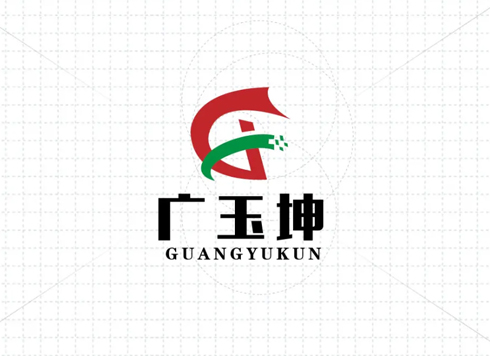 The creative design of company logos in the field of architectural engineering
This logo project focuses on construction, ...
-
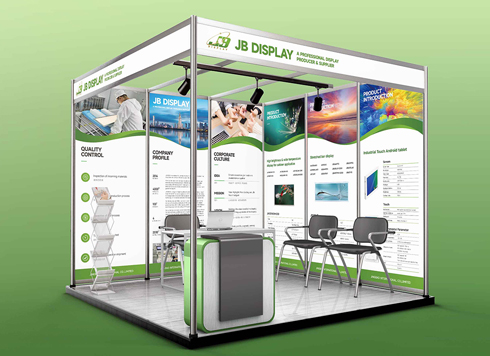 Booth Poster Design for Professional Monitor Product Suppliers
The standard exhibition booth poster projec ...
-
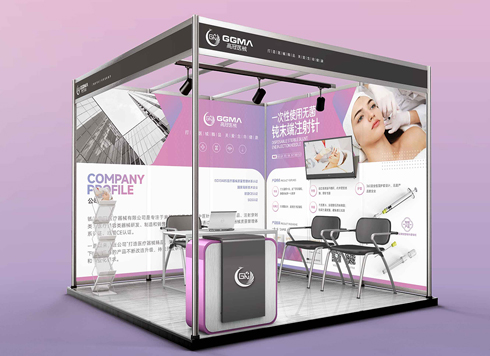 Design of Standard Exhibition Booth Posters for Beauty Instruments
Carefully designed a standard exhibition bo ...
-
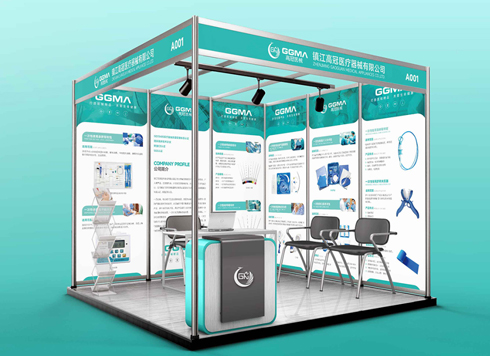 Design of Exhibition Posters for Medical Device Standards
XiYue is designing an exhibition booth post ...
-
How to Approach VI System Design: A Practical Guide from Process, Deliverables to Acceptance Criteria
Date: Aug 2, 2026 Read: 113
-
Is a VI System Design Worth Tens of Thousands? Check These Five Deliverables First
Date: Aug 24, 2026 Read: 72
-
What Does VI System Design Deliver? Is a Logo Enough?
Date: Aug 13, 2026 Read: 63
-
Brand Identity/Logo Design: A Complete Guide from Requirement Analysis to Delivery and Acceptance
Date: Aug 1, 2026 Read: 64
-
Switching embroidery factories means the logo has to be redrawn—is the grid construction page the problem?
Date: Oct 10, 2026 Read: 15