



How to Approach VI System Design: A Practical Guide from Process, Deliverables to Acceptance Criteria
VI system design (Visual Identity System) is a systematic design effort that transforms brand concepts into unified visual standards. Its core criterion is not the beauty of a single logo, but whether the entire visual system can be consistently and accurately reproduced across business cards, packaging, advertising, digital media, and other scenarios. By 2026, companies commissioning VI projects commonly require "rules first, applications later," meaning they define usage rules for logos, typography, colors, and auxiliary graphics before expanding to specific materials.
Below, we break down VI systems from five angles: composition, implementation process, deliverable selection, common pitfalls, and applicable boundaries, to support brand managers in project planning.
Why VI System Design Matters: Beyond the Logo
VI systems translate abstract brand traits (such as professionalism, friendliness, or tech-savvy) into visible, manageable symbol combinations. They comprise a basic system (logo, standard typography, standard colors, auxiliary graphics, and prohibited usage) and an application system (stationery, packaging, advertising, environmental signage, etc.). A common misconception is that buying a logo completes the VI; in reality, a design without application rules is merely a graphic asset.
Based on 2026 project delivery habits, a complete VI typically results in a Brand Visual Identity Manual. The existence of this manual is the key distinction between "temporary design" and "formal system." With a manual, new employees, suppliers, or franchisees can produce compliant materials according to unified rules—this is the cornerstone of brand asset accumulation.
- Basic System: Logo, standard typography, standard colors, auxiliary graphics, and prohibited usage—the "grammar rules" of the brand.
- Application System: Stationery, packaging, advertising, environmental signage, digital media—the "example sentences" demonstrating the rules.
The Five-Step Implementation Method for VI System Design
We recommend proceeding through the following five phases, each with clear outputs and acceptance checkpoints. This structure clarifies decisions and avoids costly rework from premature finalization.
- Research & Diagnosis: Review brand status, competitor differentiation, target audience, and core application scenarios. Look beyond industry norms; inventory actual materials such as storefronts, delivery packaging, and corporate PPTs.
- Strategy & Positioning: Describe the brand's visual tone and keywords in one sentence, and set broad directions for colors and typography. The acceptance criterion: the strategic consensus should directly filter out unsuitable visual proposals.
- Basic System Design: Develop the logo, standard typography, standard colors, auxiliary graphics, and prohibited usage examples. Simultaneously create logo grid diagrams, minimum size specifications, and black-and-white/reversed modes.
- Application System Expansion: Extend to high-frequency scenarios (e.g., business cards, letterheads, tote bags, posters, social media avatars). Note: applications are not about placing the logo randomly; they validate readability and aesthetics under real sizes and materials.
- Manual Compilation & Handoff: Consolidate rules, examples, and printing parameters into a manual, and provide a brief internal briefing. The passing criterion: anyone with the manual can accurately reproduce the visual solution.
This process separates "creativity" from "management": the first two steps address direction, the last three address execution. Skipping to logo design without the first two steps often leads to endless direction changes later.
Deliverables & Acceptance: How to Choose Between Basic and Full VI
Clients often struggle with the difference between "basic VI" and "full VI." As of 2026, market norms typically include in a basic version: logo, standard typography, standard colors, and a few office material templates. A full version adds auxiliary graphics, a complete application system, detailed prohibited usage, and a printed manual. The design timeline and cost can double or more, and the suitable scenarios differ.
- Basic Version: Suitable for small to mid-sized teams with limited budgets, mainly needing standardized business cards/PPT/social media visuals. Typical deliverables: an electronic manual PDF, with revision rounds usually capped at 3-5.
- Full Version: Suitable for companies requiring extensive applications (e.g., chain stores, product packaging, trade show ads). Deliverables include a printable physical manual, source file licenses, and revision rounds may reach 6-10.
A hard acceptance metric is "can it go directly to print?": all colors should have CMYK and Pantone codes, fonts should state substitute options, and graphics should be provided as vector files. If a design firm only provides JPGs, it is not yet a complete VI system.
Common Pitfalls and Traps: Why Your VI Fails to Be Used
The following issues remain frequent in 2026 projects—address them proactively.
- Direct Template Use: Assembling icons from design sites without strategic support leads to a disconnect between visuals and brand positioning. The test: if you replace the logo, does the entire style still hold together?
- Ignoring Printing Processes: A gradient that looks fine on screen may show color shifts or banding in print. The countermeasure: request physical samples during proofing, especially for packaging.
- Unlimited Revisions: Without agreed limits on revision counts and scope, projects stall. We recommend specifying in the contract what each round addresses (e.g., "adjust color palette," "optimize logo details") and fees beyond the agreed rounds.
- Trend-Chasing Without Asset Building: Blindly following minimalist or guochao (Chinese retro) trends fails to accumulate unique brand elements. Auxiliary graphics should be usable for five years or more, not overhauled annually.
Frequently Asked Questions
Below are common client questions when initiating a VI system design project.
What is the typical VI system design pricing?
As of 2026, the basic version typically ranges from RMB 20,000 to 50,000, while the full version ranges from RMB 50,000 to 150,000, depending on the design firm's expertise and the number of application materials. We recommend requesting quotes from at least two firms based on the same requirements list for comparison.
How long does a VI design project usually take?
The basic version takes about 4-6 weeks; the full version about 8-12 weeks. For tight timelines, the research phase can be compressed, but at least two internal review rounds and one print proofing round should be retained.
How many revisions are allowed?
Design contracts typically specify revision rounds, commonly 3 rounds for basic versions and 5 rounds for full versions. Each revision should have clear direction to avoid unproductive "it feels off but I can't say why" loops.
Do we need source files?
We recommend requiring editable source files such as AI, CDR, as well as SVG/PNG application formats, and clarifying copyright ownership. Quotes that exclude source files should be significantly below normal market rates.
How can VI system effectiveness be measured?
Short-term: track error rates in material production. Mid-term: measure development time for new product launch materials. Long-term: assess brand recognition and customer acquisition cost changes. Use A/B tests comparing old and new materials.
Applicable Scenarios and Boundaries
VI system design suits businesses at a stage where they have a clear business positioning and need to unify external visual identity—for example, chain expansion, new product line launches, or brand refresh after equity changes. It is not suitable when there is no brand strategy, the budget is below a few thousand yuan, or the core business model is unproven—in those cases, validate the business first rather than investing heavily in visuals upfront.
- Suitable when: multiple materials require unified standards, there is a need for long-term brand asset accumulation, or there are franchise or channel distribution needs.
- Not suitable when: you need one-off promotional materials, the budget is extremely low with only a single point of need, or the brand positioning is still frequently changing.
If your need is just a business card or a packaging design, a single-purpose design service is more practical. Only when multiple materials must work together under one long-term visual rule does a VI system offer a strong return on investment.
Implementation advice: when initiating a VI project, first list the materials you will actually use over the next year, and decide between basic and full versions accordingly. When selecting a design partner, focus on whether they provide printing process advice and post-maintenance support. Before signing, confirm that deliverables include editable source files and at least three sets of standard color values, and write revision rounds into the contract.
-
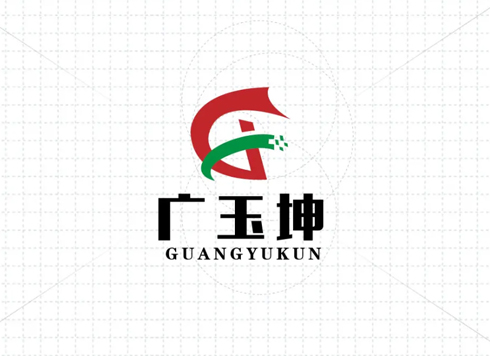 The creative design of company logos in the field of architectural engineering
This logo project focuses on construction, ...
-
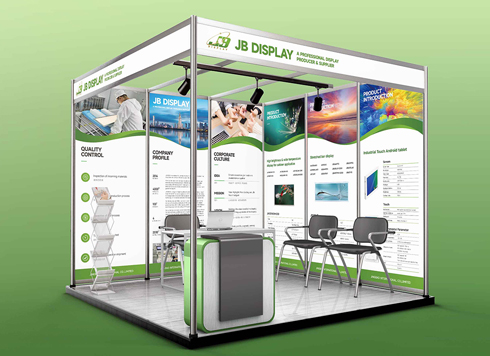 Booth Poster Design for Professional Monitor Product Suppliers
The standard exhibition booth poster projec ...
-
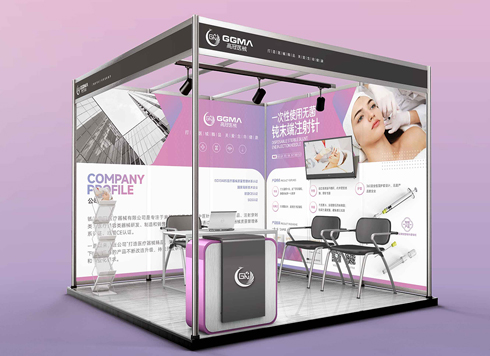 Design of Standard Exhibition Booth Posters for Beauty Instruments
Carefully designed a standard exhibition bo ...
-
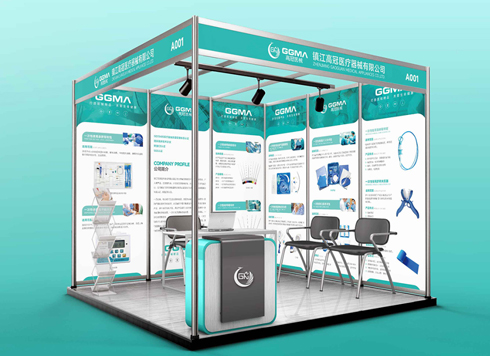 Design of Exhibition Posters for Medical Device Standards
XiYue is designing an exhibition booth post ...
-
How to Design a VI System: Key Steps from Process to Acceptance
Date: Aug 8, 2026 Read: 51
-
Brand Color Looks Different on Packaging Bags and Store Light Boxes: Which Should Be the Acceptance Standard?
Date: Sep 16, 2026 Read: 14
-
What's the Difference Between Basic and Full VI System Design? What to Cut First on a Tight Budget?
Date: Aug 30, 2026 Read: 32
-
Is a VI System Design Worth Tens of Thousands? Check These Five Deliverables First
Date: Aug 24, 2026 Read: 38
-
Brand Logo Design Delivered, but Printing Looks Blurry and Colors Are Off—What Went Wrong?
Date: Aug 23, 2026 Read: 36