



Does the main packaging headline font need a separate commercial license—should the designer swap it out or should the brand buy it?
Whether fonts on packaging need a separate commercial license, and who should pay, comes down to three things first: who ultimately sells the packaging, whether the license scope covers print and online display, and what the contract says about who bears the cost. Under common 2026 delivery practice, commercial licenses are usually purchased and held by the brand (the end user), with the license issued to the brand entity; the designer is responsible for providing a font list, marking license status, or offering compliant replacement options before final artwork. Whether the license fee is already included in the design fee depends on the contract, not on an industry default.
What does a font license actually grant in packaging?
A font license sells a permission to use, not ownership of the font file. Having the font file does not mean you can print it on packaging sold to the public. Common licenses distinguish personal use from commercial use, printed matter from online display, one-off buyout from annual subscription, and they also limit the licensed entity and number of terminals. Packaging is special because it is both printed matter and promotional material: the same typeface appears on the box and is often also used in e-commerce main images and detail pages.
Once packaging goes to print, changing one typeface costs press setup, paper, and scrapped printed products—not just a quick change on screen. That is why font issues need to be resolved before final artwork, not when the printer checks the file package.
- Commercial licenses usually limit use, term, and licensed entity; they are generally not a buyout of the font library
- Print use and online display use are often quoted separately and need to be confirmed separately
- Font families released under open-source licenses (such as OFL) are generally available for commercial use, but their notices must be retained under their terms
- Stretching, squashing, adding outlines, or taking only some strokes generally does not change ownership
Why font risk on packaging is greater than on a poster
Posters and packaging face the same licensing rules, but the risk is different in scale. A poster is often pasted up for a week or two and then torn down; packaging stays on shelf for one or two years and extends to outer cartons, inner bags, labels, tote bags, and e-commerce pages. One wrong typeface choice often means replacing a whole series, not just editing one image.
In real projects, unclear provenance is more common than a high price. Designers bring fonts out of mockup templates, clients send scans of old packaging made by a previous vendor, and files pass through several hands and lose their font notes—these situations are still common in 2026 project delivery. To judge whether a packaging artwork is acceptable on fonts, one practical test is: does the final file include a one-page font list stating the font name, source, license status, and replacement option?
- Fonts carried over from design templates and mockup files often have unclear sources
- A 'free download' label on a download site means free to obtain, not free for commercial use
- Visuals used only for internal review and not sold externally are less urgent than formal packaging
- For fonts carried over from old packaging, confirm who originally bought the license and whether it is still valid
Deciding whether a typeface needs extra payment: 'three checks and one record'
Font issues look scattered, but they all fall into four areas: where it came from, where it is used, what the license covers, and who holds the proof. Checking in this order is more effective than asking about price first, because there is no point negotiating price for a font with unclear provenance.
- Check the source: system fonts, open-source families, properly purchased fonts, fonts from templates, fonts left by a previous vendor—classify first, then discuss the rest.
- Check the use: packaging print, e-commerce detail pages, and export labels may fall under different license scopes and need separate confirmation.
- Check the scope: licensed terminals, territory, term, and whether fees are based on company size or print run.
- Keep the record: archive the license certificate, invoice, and contract clauses, and hand them over to the brand together with the source files.
The fourth step is the one most often missed. The license is bought, but the proof sits only in the designer's personal mailbox; when the brand changes suppliers or design agencies, it has to go through the same pitfall again. The certificate should preferably be issued to the same brand entity shown on the packaging—this is especially easy to overlook between a group and its sub-brands.
The cost and timeline of three paths: open-source families, buying a license, custom type
Not every packaging project needs to buy a license. Which path to take depends on how long the brand plans to use the type, the print volume, and whether the key visual typeface needs exclusivity. The following are experience ranges; actual quotes and license terms from the type foundry prevail.
- Open-source commercial font families: licensing cost is basically zero, with almost no procurement lead time; the trade-off is that the style can easily look like competitors' work, and they are often more suitable for secondary text, specifications, ingredient lists, and other non-key-visual positions.
- Buying a single commercial license: typical range is hundreds to a few thousand RMB, varying with use, term, and size of the licensed entity, with procurement taking about a few days to two weeks; suitable for regular packaging from small and medium brands, and can cover synchronized use on e-commerce pages.
- Custom font library or logo-exclusive type: commonly tens of thousands of RMB and up, with a timeline of several months; suitable for brands that need exclusivity for the key visual typeface and long-term consistency across a packaging series.
A more common approach is mixing: use purchased or custom fonts for the key visual and brand name, and open-source families for ingredient lists, specifications, and explanatory text. Handling the key visual and secondary text separately keeps risk within a controllable range at a relatively low cost, and makes it easier to extend to new flavors and specifications later without re-evaluating every time. What really creates the difference is often not the unit price, but how long a revision takes and whether a new supplier needs the whole explanation again.
At delivery: font provenance only found unclear in the third round
Based on project delivery experience, font problems often surface when two constraints appear at the same time: a tight budget, only one or two weeks left, and materials that are scans of old packaging sent by the client plus external templates. Following the original layout is easier, but it also makes it easy to bring fonts of unknown origin into the new packaging.
A more stable approach is to do a font check before the first visual round: replace fonts with unclear sources or only personal licenses, keep one that is genuinely needed, and have the client start the purchase process in parallel. The cost is that Chinese typesetting has to be redone and the tracking and line breaks of the front main headline have to be readjusted; the typical range is one to two extra rounds of rework and a schedule delay of three to five days. This cost is usually lower than rework after printing: press setup, paper, and scrapped printed products often fall above one round of typesetting rework in experience range. Put the font list together with die-cut lines and bleed specs on the first page of the delivery package, so the printer and the brand can check at the same time and avoid repeated explanations of provenance later.
When to handle it early, and when it can wait
Cases worth handling early: packaging sold externally, print runs starting at several thousand, entry into supermarkets or e-commerce, and a brand expected to use the packaging for more than two years. In these cases, the fixed licensing cost is spread over the print run, early handling is more cost-effective, and repeated confirmation during new product extensions is avoided.
There are also cases that do not need a full commercial-license effort: one-off visuals for internal review, non-commercial self-use printed matter, current licenses already covering the actual use, fully self-drawn letterforms with a documented original process, and font families used compliantly under open-source licenses.
- Can wait: internal circulation, mockups not sold externally
- Confirm first, then decide: small-batch trial sales in only one channel, with possible scale-up later
- Better to buy first: formal packaging that will appear on shelves, e-commerce main images, and export labels
If packaging is only for internal circulation, not sold externally, and not used in any promotional material, the urgency of font licensing drops noticeably; but as long as the finished product will appear on shelves or e-commerce pages, it is safer to prepare licenses on a commercial-use basis.
Common questions
The design company says I need to buy the font myself—is that reasonable?
In most projects, the brand purchases and holds the license, because the external user and risk bearer is the brand entity; the designer should provide a font list and replacement options before final artwork, while who bears the fee still depends on the contract.
If a font is open-source and free for commercial use, does printing it on packaging cost nothing at all?
Usually no license fee is required, but the copyright notice must be retained under the open-source terms, and the font file must not be forwarded separately; it is advisable to archive the license explanation with the source files so it can be checked when changing suppliers.
If I stretch, squash, or outline the letterforms, does that mean I am no longer using someone else's font?
Generally this does not change ownership; stretching, outlining, or taking only some strokes may still be considered derivative use; if truly unique letterforms are needed, a custom font library or self-drawn lettering with retained process files is more stable.
The packaging is already printed and only then did we find the font source unclear—can it still be remedied?
First clarify the printed quantity and the channels already distributed, then communicate with the type foundry about supplementary licensing or batch replacement, and prepare replacement artwork for the next batch; specific handling should be coordinated with legal counsel, and it is not advisable to make commitments based only on experience.
This typeface is only used on e-commerce detail pages and not printed on the box—do I still need to buy it?
Online display and printed matter often fall under different license scopes, and online-only use may also require a separate license; first confirm the online use terms of that font library, then decide whether to buy, replace, or switch to an open-source family.
If your packaging is currently in final artwork, start with one small task: list every font used in the file, mark its source and license status, replace those without proof with open-source families first, and have the brand start the purchase process at the same time. This approach suits formal packaging sold externally; purely internal mockups or projects with confirmed license coverage do not need to repeat it.
-
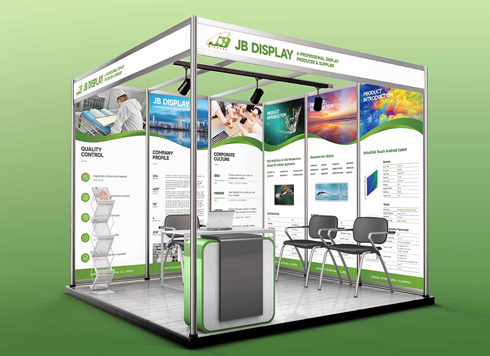 Booth Poster Design for Professional Monitor Product Suppliers
The standard exhibition booth poster projec ...
-
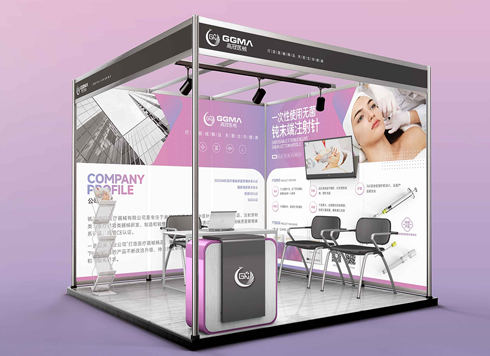 Design of Standard Exhibition Booth Posters for Beauty Instruments
Carefully designed a standard exhibition bo ...
-
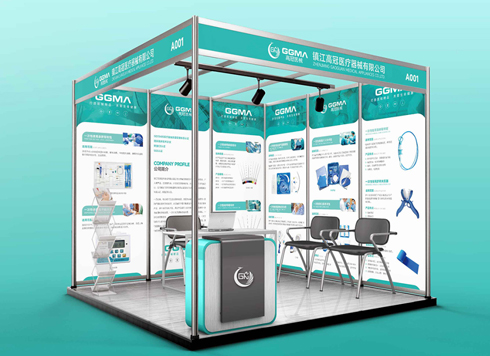 Design of Exhibition Posters for Medical Device Standards
XiYue is designing an exhibition booth post ...
-
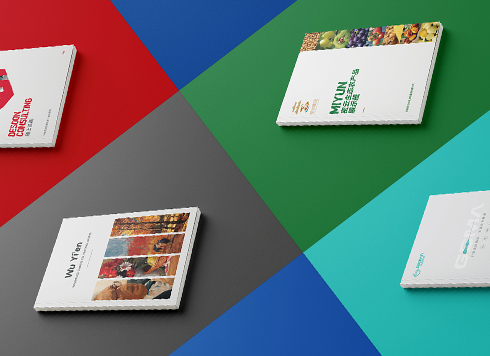 Collection of Brochure Design Cases in 2024 (Cover Series 02)
Our brochure design projects focus on diver ...
-
When a pack front is packed with selling points, why does the shelf shopper pick up the less-wordy pack next to it?
Date: Oct 19, 2026 Read: 27
-
Same Gift Box Fine In-Store but Falls Apart in Express—Should the Insert Be Made in Two Channel-Specific Versions?
Date: Oct 7, 2026 Read: 38
-
If the ingredient list formula is tweaked and the client only sends a WeChat screenshot, can the design file go straight to print?
Date: Sep 25, 2026 Read: 41
-
If the printer provides the die, will packaging design still charge for structural drawings?
Date: Sep 13, 2026 Read: 48
-
Can Packaging Use Free Fonts and Images Downloaded Online and Be Sent Directly to the Printer?
Date: Sep 7, 2026 Read: 65