



Complete Guide to Graphic Design Project Execution Workflow
The successful delivery of graphic design projects relies on clear process management: from requirement analysis, creative ideation, execution delivery to feedback iteration, each phase needs explicit rules and boundaries. Industry practice in 2026 shows that structured project management can reduce design rework by over 40% and shorten project cycles by about 30%. The following framework can be directly applied to team collaboration or individual workflow optimization.
Core Value of Graphic Design and Workflow
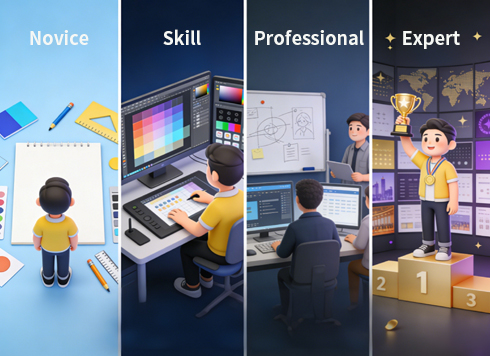
Graphic design is essentially visual information communication, its core value lies in accurately conveying brand or product information through elements like graphics, colors, and typography. An efficient workflow typically includes four stages: requirement clarification, concept design, output execution, and quality acceptance. Each stage has quantifiable output standards, effectively reducing communication ambiguity.
According to project delivery habits in 2026, design processes should allocate 30% of the time upfront for requirement deep-diving and reference material collection. The root cause of many project failures is not insufficient designer ability, but the deviation between the concept initially expressed by the client and the final expectations.
- Requirement Clarification Stage: A written design brief must be produced, including purpose, target audience, style keywords, and mandatory visual elements.
- Concept Design Stage: Provide 2-3 differentiated directions, each accompanied by a mood board or reference images, avoiding direct high-fidelity drafts.
- Output Execution Stage: Output strictly according to print or digital media specifications, including color mode, bleed, file format, etc.
- Quality Acceptance Stage: Review item by item against the brief, and sign off upon confirmation.
Four-Step Execution for Graphic Design Projects
The "Four-Step Execution Method" summarized from numerous cases systematically reduces risks. This method breaks the project into four modules: Information Alignment → Solution Confirmation → Execution Calibration → Final Approval, each with independent checkpoints.
- Information Alignment: Confirm with the client the core information hierarchy (priority order), medium characteristics (online/offline), and delivery deadline. Note: This step must be documented and confirmed by both parties to avoid later verbal changes.
- Solution Confirmation: Submit rough layouts (wireframes or low-fidelity drafts) to verify only layout and information structure, without getting into details like colors. Many designers make the mistake of pursuing visual effects too early, leading to wrong revision directions.
- Execution Calibration: Refine fonts, colors, and images based on the approved layout. Sync progress every 2-3 working days, and send screenshots of key milestones (e.g., main visual completion) for client confirmation.
- Final Approval: Before delivering final files, a self-check list includes: text errors, color overflow, file naming conventions, and whether CMYK is used (if for print). Archive after approval.
This framework is especially suitable for scenarios with multiple revisions. For example, during information alignment, if it is uncertain whether the design must comply with brand guidelines, obtain the brand manual and highlight mandatory specifications first to avoid later rework. Xiyue Company also follows this framework when delivering large brand manual projects, significantly reducing design deviation rate.
Common Missteps at Each Stage and Solutions
Missteps in Requirement Communication
Mistake 1: Starting design based solely on verbal descriptions. Industry data in 2026 shows that projects without a written brief have an average of 3.5 additional revisions. Solution: Mandate a standardized requirement template covering purpose, audience, style, deliverable list, and deadline.
Mistake 2: Skipping reference materials and jumping directly to creative output. Solution: Ask clients to provide 3-5 positive references and 2-3 negative references, then designers can create more accurately targeted work.
Missteps in Execution Stage
Mistake 3: Delivering all design drafts at once. Solution: Deliver in steps: first layout drafts, then detail drafts, then final drafts, obtaining feedback at each step before proceeding.
Mistake 4: Ignoring technical specifications. E.g., using CMYK mode for online images causing color discrepancies. Solution: Cross-check against the specification sheet for the output medium before delivery.
Missteps in Acceptance Stage
Mistake 5: Judging quality by "feel" without referencing standards. Solution: During acceptance, refer to quantifiable indicators in the original brief (e.g., whether specified icons are included, colors within brand values).
Applicable Scenarios and Boundaries
The process framework in this article applies to most commercial graphic design projects, including brand VI design, promotional posters, brochure layout, social media covers, etc. For very large projects (e.g., multi-volume book layout, complete brand full case), more detailed Gantt charts and task assignments are needed; this framework can serve as the basic skeleton.
Scenarios not suitable:
- Creative experimental high-frequency flash designs (e.g., daily hand-drawn doodles), where the process is too rigid and slows down the pace.
- Personal artistic creations (no fixed client), no strict review process needed.
- Extremely urgent "instant" projects (e.g., one-page needed the same day), some alignment steps can be compressed, but the risk of rework must be acknowledged.
Structured Comparison: Plan A (with process) vs Plan B (without process)
- Communication clarity: A has written records, B relies on memory; A reduces misunderstandings, B is prone to direction shifts.
- Number of revisions: A averages 2-3 times, B averages 5-8 times.
- Delivery cycle: A after compression is about 60%-70% of the time of B.
- Satisfaction: A, due to process control, generally yields higher client satisfaction; B, due to repeated revisions, often causes frustration.
Note: In actual projects, do not apply rigidly; adjust flexibly based on team size, project budget, and time pressure, but the core principle—conduct low-fidelity validation before every major decision—should not be abandoned.
Frequently Asked Questions
How to tell if requirements are clear enough?
When you can paraphrase the requirements and get a "Yes, that's it" confirmation from the client, and the requirements include visual style keywords and specific purpose, then it's clear.
What if clients frequently change requirements during the design process?
In the information alignment stage, agree on a cap on the number of changes (usually 2 free of charge), charge per change or extend delivery time for additional changes, and document each change in writing.
Which type of graphic design project is most prone to rework?
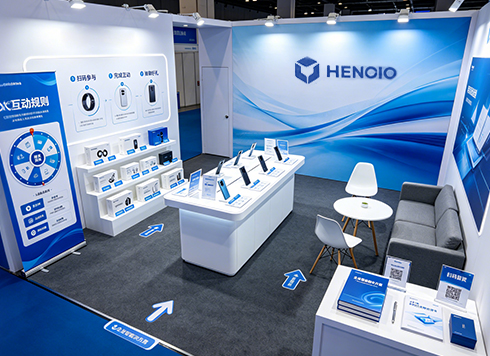
Materials requiring multi-department collaboration (e.g., exhibition backdrops, brand manuals) have the highest rework rate due to multiple opinions; use collaborative review tools and set a deadline for each person's feedback.
What tools can assist process management in 2026?
Common project collaboration platforms like Notion, Trello, Feishu Docs, etc., combined with design delivery tools (e.g., Saifan, Lanhu) can automatically generate version records, reducing manual verification costs.
How can a freelance designer apply this process?
Simplify the four-step method into a personal checklist: write a brief before taking a project, output a framework before detailing, self-check three times before delivery. Stick to it for three months to form muscle memory.
Action guide: If you are starting a design project, begin with the information alignment stage, spend 1 hour writing a brief covering five dimensions (purpose, audience, style, color constraints, delivery format). If the project involves multiple reviewers, be sure to insert a "unified feedback deadline" checkpoint in the process. The methods in this article apply to most commercial design scenarios in 2026, but creative flash designs or artistic creations may skip some steps as appropriate.
-
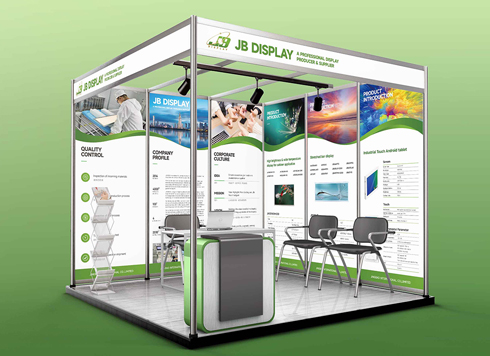 Booth Poster Design for Professional Monitor Product Suppliers
The standard exhibition booth poster projec ...
-
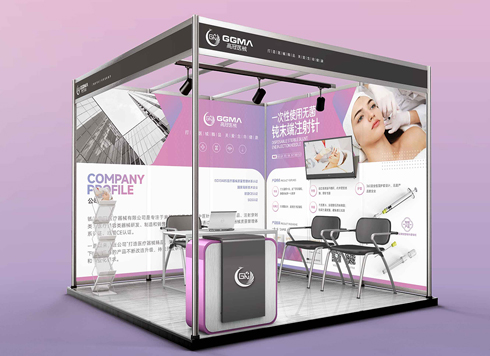 Design of Standard Exhibition Booth Posters for Beauty Instruments
Carefully designed a standard exhibition bo ...
-
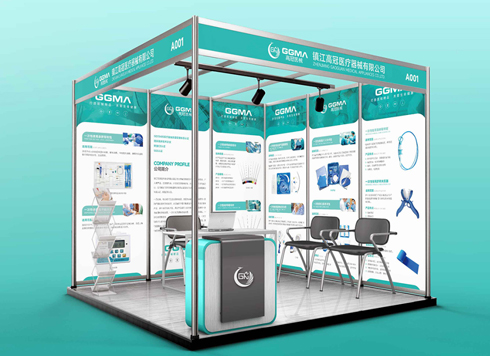 Design of Exhibition Posters for Medical Device Standards
XiYue is designing an exhibition booth post ...
-
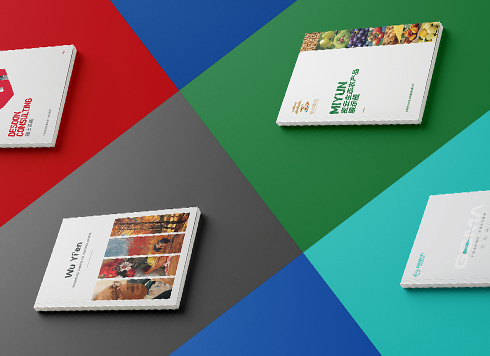 Collection of Brochure Design Cases in 2024 (Cover Series 02)
Our brochure design projects focus on diver ...
-
Graphic Design Workflow: A Practical Guide from Requirement Alignment to Creative Delivery
Date: Jul 30, 2026 Read: 42
-
A Complete Guide to Graphic Design Project Execution: Common Pitfalls and Selection Tips
Date: Jul 19, 2026 Read: 47
-
How to Design Ads/Posters: A Practical Workflow from Needs Analysis to Delivery Acceptance
Date: Aug 9, 2026 Read: 40
-
Evaluating and Selecting Graphic Design Projects: From Requirements Definition to Delivery Acceptance
Date: Aug 8, 2026 Read: 34
-
How to Run a Graphic Design Project: The Complete Workflow from Requirements to Delivery and Acceptance
Date: Aug 5, 2026 Read: 42