


How to Design Ads/Posters: A Practical Workflow from Needs Analysis to Delivery Acceptance
Ad/poster design is a professional process of turning communication goals into a single visual message. The core criterion is whether the audience can receive the core message within 3 seconds and take the desired next action. In 2026, the common ad/poster design has formed a standardized workflow from needs strategy to print or digital signage delivery. The following is a set of directly applicable methods.
Why ad/poster design cannot rely solely on aesthetic intuition
Ad/poster design is not just about making a layout look good; it organizes information priority through visual hierarchy. Design without a clear process often suffers from frequent revisions, printing color deviation, and cluttered information. Following a process can lock down objectives, style, and production methods in advance, significantly reducing rework costs.
- Objectives determine form: Promotional posters and brand image ads have different visual strategies—the former emphasizes price and call-to-action buttons, while the latter focuses on tone and brand memory.
- Production processes affect design: Techniques like foil stamping, UV, and spot color printing require reserved process areas during the design phase; adding them later can disrupt the layout.
- Process reduces rework: Clearly define the decision-maker, review milestones, and revision limits to avoid endless "it doesn't feel right" feedback.
What does ad/poster design deliver?
A complete ad/poster design deliverable includes not only images but also editable source files, export files for different scenarios, and printing process specifications. In 2026, many clients also require multi-ratio adaptive versions for online materials.
- Source files: Editable formats such as AI, PSD, CDR, with layers and effects preserved.
- Output files: JPG, PNG, PDF for screen display and printing.
- Print spec sheet: Includes size, bleed, color mode, paper type, and finishing processes.
- Application versions: Various proportions for outdoor billboards, social media images, elevator ads, etc.
A five-step execution method: keeping ad/poster design under control
This method breaks the project into five checkable stages, each with clear outputs and acceptance points. It suits collaboration between small-to-medium teams or independent designers and clients. The division is designed to progressively mitigate risks across information, visuals, and technical execution.
- Step 1: Needs Diagnosis Define communication goals, target audience, distribution channels, and competitive differences. Output: Design brief. Note: The decision-maker must be confirmed at this stage to avoid scope creep.
- Step 2: Creative Concept Distill the core proposition and determine visual metaphor and copy tone. Output: Concept sketch or mood board. Acceptance criteria: You should be able to explain the design rationale in one sentence.
- Step 3: Visual Execution Complete composition, color, typography, and graphics. Output: First draft. Note: Present 2-3 directions, but agree to only one for refinement to avoid overlapping directions.
- Step 4: Production Adaptation Adjust bleed, color mode, and file dimensions based on output; conduct proofing if necessary. Output: Final artwork. Confirm paper type and finishing processes such as lamination or foil stamping.
- Step 5: Delivery and Acceptance Check file formats, quantities, and print notes against an acceptance checklist. Output: Final package. Acceptance criteria: The client can directly use it for printing or publishing.
The key to this workflow is that each stage has a clear completion marker, preventing cross-stage modifications. For example, do not enter visual execution before the creative concept is confirmed, and do not proceed to final output before production parameters are confirmed.
Four dimensions for judging ad/poster design quality
Good ad/poster design must be both visually appealing and functional. Based on common industry practices in 2026, we recommend evaluating from four dimensions: information communication, visual expression, technical compliance, and execution effectiveness.
- Information communication: Can the main headline be remembered within 3 seconds? Are key messages within the safe area?
- Visual expression: Is the layout balanced, and does the color align with brand tone? Are there any style plagiarism or element stacking issues?
- Technical compliance: Is the print file resolution at least 300dpi? Are bleed and color mode accurate?
- Execution effectiveness: Is it readable in the target scenario? For example, are fonts too thin on street lamp billboards?
There is a common pitfall here: only checking on-screen effects while ignoring physical proofing. Especially for spot colors like gold and black, screen and print differ significantly. We recommend a small-scale proof before final approval.
Single poster, series posters, or full campaign design—which to choose?
In 2026, there are three common pricing models in the market, differing in scope and delivery depth. Clients should choose based on the usage period and number of scenarios, avoiding buying a full campaign for a one-off event.
- Single poster design: Suitable for one-time events or product promotions. Cycle: 1-3 days, usually up to 2 revisions, priced per piece.
- Series poster design: Suitable for multi-scenario communication of the same theme, such as seasonal notices or product series. Cycle: 5-10 days. Requires a unified visual language; more cost-effective than single posters added up.
- Full campaign design: Includes visual strategy, key visual extension, multi-size adaptation, and print follow-up. Suitable for brand launches or large events. Cycle: 2-4 weeks, with a more complete quality control process.
There is no absolute hierarchy among these three modes; the core depends on project needs. If it's just a short-term promotion, a single poster is enough; if building a brand image, a full campaign is worth the investment.
Applicable scenarios and boundaries
Ad/poster design is suitable for scenarios with clear communication milestones, offline materials, or online visual exposure, such as product launches, promotional events, and brand image building. It is not suitable for interface design requiring complex interactions, purely decorative needs lacking content strategy, or vague requirements without a decision chain.
In 2026, if the budget is very low or time is extremely tight, prioritize template-based modification over custom design; if there are special printing requirements, confirm parameters with the printing house before design. For brands with packaging and full print chain needs, you can look for a team like Xiyue Company that offers design-to-print follow-up services to reduce communication costs.
FAQ
How is ad/poster design typically priced?
Pricing mainly depends on designer experience, usage scope, and workload. The industry commonly charges per piece or per day, with significant regional differences. It's best to clarify what deliverables and revision counts are included.
How long does the design cycle take?
A single poster usually takes 1-3 working days, while series and full campaigns take 5 days to several weeks. The cycle is affected by revision counts and print follow-up; it's safer to leave buffer time.
How many revisions are included?
Most standard orders include up to 2 revisions; additional changes are billed separately. Clarify the revision scope in writing before the contract to avoid endless tweaks.
What assets need to be provided for design?
At minimum, you need the logo source file, product images, copy, and brand color codes. If assets are incomplete, prepare them before starting design to reduce rework.
How can I judge whether the design is effective?
Simulate the design in the actual usage context—such as shrinking it to a mobile screen or enlarging it to an outdoor billboard—to see if the information is clear. You can also invite target users for a 3-second test.
In real projects, clarify needs, budget, and the decision-maker first, then start design. If you lack in-house design resources, consider a trusted design team or coordinate with a printing house. For long-term brand building, full-campaign collaboration is more stable than one-off posters.
-
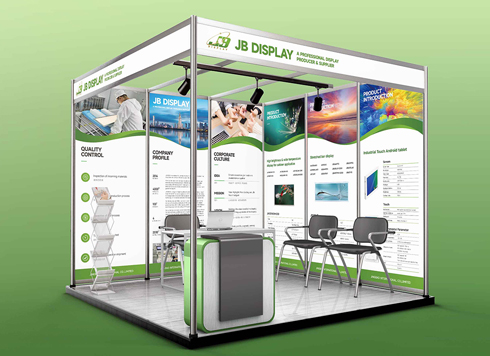 Booth Poster Design for Professional Monitor Product Suppliers
The standard exhibition booth poster projec ...
-
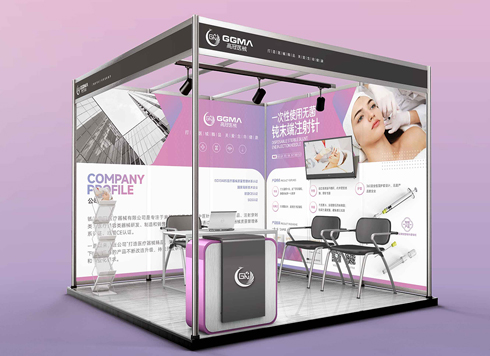 Design of Standard Exhibition Booth Posters for Beauty Instruments
Carefully designed a standard exhibition bo ...
-
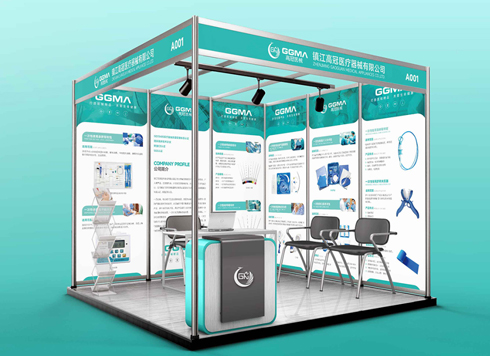 Design of Exhibition Posters for Medical Device Standards
XiYue is designing an exhibition booth post ...
-
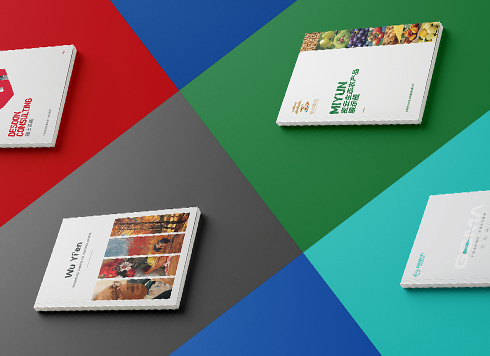 Collection of Brochure Design Cases in 2024 (Cover Series 02)
Our brochure design projects focus on diver ...
-
Standardized Workflow for Graphic Design Projects: A Full-Chain Guide from Requirements to Delivery
Date: Jul 16, 2026 Read: 69
-
Why Do Poster Design Quotes Range from Hundreds to Thousands?
Date: Sep 1, 2026 Read: 41
-
Why do advertising poster design quotes vary so much? What's actually different in the deliverables?
Date: Aug 26, 2026 Read: 55
-
What Does "Premium Feel" Really Mean When Clients Say It in Graphic Design?
Date: Aug 23, 2026 Read: 56
-
Graphic Design Style Keeps Changing: Is It the Designer or Unclear Requirements?
Date: Aug 17, 2026 Read: 55