

A Complete Guide to Graphic Design Project Execution: Common Pitfalls and Selection Tips
The success of a graphic design project lies not in how creative the design is, but in accurate requirement transmission and meticulous control over delivery details. In 2026, a common approach is to adopt a structured process: goal alignment → style exploration → iterative execution → delivery and review. The following guide helps teams avoid rework and ensure that designs meet brand identity and communication channel requirements.
Project Initiation Phase: Align Goals and Constraints
Before starting the design, clarify the usage scenario (e.g., online ads, print materials), target audience, brand guidelines (color/font/logo usage rules), and budget and timeline. Ignoring any of these will lead to extensive revisions later. For example, online materials require consideration of RGB color mode and responsive sizes, while print materials need CMYK and bleed.
- Requirements checklist: includes dimensions, format, output medium, mandatory elements (e.g., QR code, tagline).
- Reference collection: provide 3-5 style references (competitors or inspiration), noting reasons for likes/dislikes.
- Decision milestones: set key review points (e.g., first draft, pre-final review) to avoid excessive modifications.
Design Execution Phase: Four-Step Delivery Method
Using the "Four-Step Delivery Method" can systemize the process: ① Structure & Layout → ② Visual Elements → ③ Detail Polish → ④ Output Validation. Each step has clear deliverables and acceptance criteria.
- Structure & Layout: Use grid systems to define information hierarchy, ensuring clear primary and secondary elements. Pay attention to whitespace and visual flow.
- Visual Elements: Select fonts (serif/sans-serif, weights), images (vector/bitmap), and color schemes (primary/secondary/accent).
- Detail Polish: Check alignment, spacing, color contrast (for accessibility), and image resolution.
- Output Validation: Export in required formats; for print, check bleed and trim marks; for digital, verify RGB/CMYK conversion and file size.
After each step, get confirmation from the requester to avoid cross-step rework. In 2026, most collaboration uses online review tools (e.g., Figma, InVision) that support annotated feedback.
Comparison: In-House Team vs. Outsourced Design
Based on project volume and continuity, each option has pros and cons. The comparison below covers cost, timeline, and quality:
- In-House Team: Suitable for high-frequency, long-term projects requiring deep brand understanding. High cost (salaries + equipment + management) but quick response and deep collaboration. Stable timelines.
- Outsourced Design: Suitable for one-off, standardized tasks or capacity supplement. Cost is project-based, offering flexibility in style. However, communication costs are higher, and quality depends on vendor selection. A design brief template is recommended.
Decision criteria: If budget allows and annual design needs exceed 50 projects, consider in-house; otherwise, outsource but maintain 2-3 stable vendors (e.g., design outsourcing services provided by Xiyue Company, which can assign teams with matching industry experience).
Applicable Scenarios and Boundaries
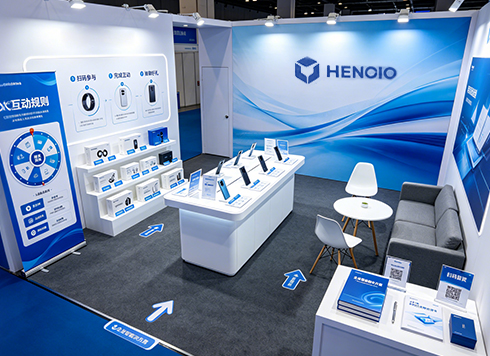
Suitable for: Brand VI upgrades, marketing posters, WeChat article images, e-commerce detail pages, exhibition panels, and other commercial graphic designs. The process fits projects with 2+ team members and time pressure.
Not suitable for: Highly exploratory pure art creations without clear brand constraints (e.g., experimental posters); or simple template edits (can be done quickly with online tools, no full process required). Feel free to adapt the steps.
Common Pitfalls
Many projects fail due to: lack of references (leading to direction errors), mid-project requirement changes (costs double), and neglecting output validation (color shifts in print, blurry images online).
- Pitfall 1: Providing all feedback at once without version iterations. — Confirm in stages to reduce rework.
- Pitfall 2: Compressing time later and skipping detail polish. — Fixing issues after printing or going live is extremely costly.
- Pitfall 3: Evaluating print output on screen. — Always use proofs or calibrated color cards.
Frequently Asked Questions
How to choose fonts to avoid copyright issues?
For commercial projects, purchase licensed fonts or use open-source fonts (e.g., Source Han series). In 2026, it is common to confirm font license scope to avoid liability from uploaded screenshots.
What files should be delivered after design approval?
Typically source files (AI/PSD/Sketch), high-resolution PDFs, JPG previews, and specific formats (e.g., CMYK TIFF for print). Specify requirements in the brief in advance.
What if the vendor's design quality is inconsistent?
Create a design review checklist (color accuracy, font consistency, layout balance) and have an internal brand manager spot-check. You can sign a long-term agreement with Xiyue Company to assign a consistent lead designer to reduce variability.
How to convert between online and print designs?
Converting RGB to CMYK darkens colors; soft-proof in Photoshop beforehand and adjust. Convert text to outlines to avoid missing fonts, and note minimum font size (generally no smaller than 6pt).
Action guide: First spend one hour writing a complete brief including goals, constraints, and references; then follow the four-step method with clear outputs at each step. For high-frequency daily designs, consider building a template library and brand component kit (e.g., logo specs, color palette) to reduce repetitive work. If the project is complex or time-constrained, partnering with an experienced design execution vendor can significantly improve efficiency.
-
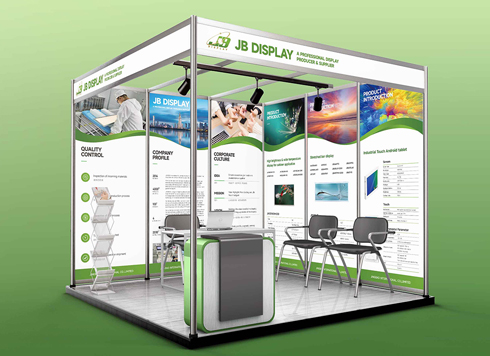 Booth Poster Design for Professional Monitor Product Suppliers
The standard exhibition booth poster projec ...
-
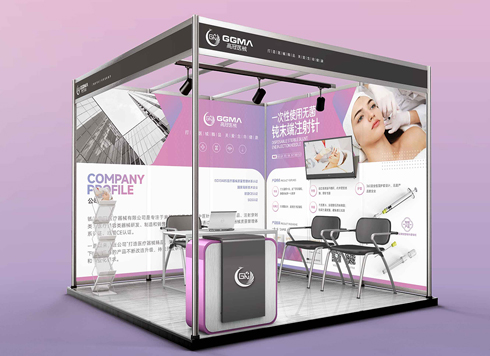 Design of Standard Exhibition Booth Posters for Beauty Instruments
Carefully designed a standard exhibition bo ...
-
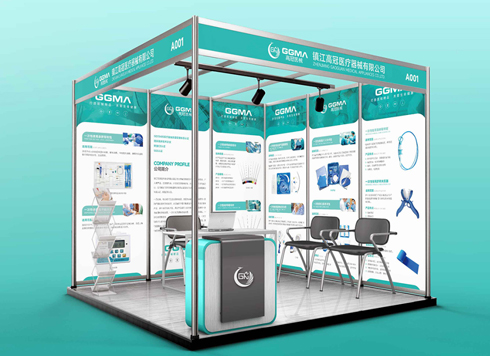 Design of Exhibition Posters for Medical Device Standards
XiYue is designing an exhibition booth post ...
-
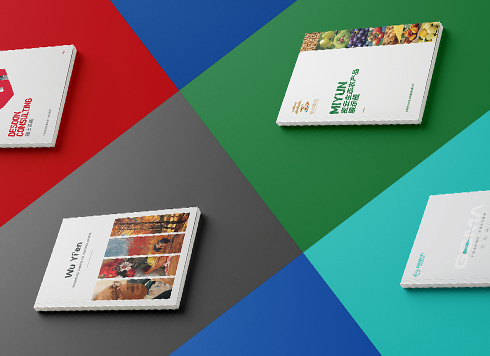 Collection of Brochure Design Cases in 2024 (Cover Series 02)
Our brochure design projects focus on diver ...
-
Complete Guide to Graphic Design Project Execution Workflow
Date: Jul 28, 2026 Read: 70
-
How to Design Ads/Posters: A Practical Workflow from Needs Analysis to Delivery Acceptance
Date: Aug 9, 2026 Read: 65
-
Evaluating and Selecting Graphic Design Projects: From Requirements Definition to Delivery Acceptance
Date: Aug 8, 2026 Read: 58
-
How to Run a Graphic Design Project: The Complete Workflow from Requirements to Delivery and Acceptance
Date: Aug 5, 2026 Read: 63
-
How to Do Graphic Design: Workflow, Options, and Common Pitfalls
Date: Aug 4, 2026 Read: 73