

Live Streaming Interactive UI Design Guide: Information Architecture, Interaction Logic, and Delivery Acceptance
The live streaming interactive interface refers to the user interface that supports real-time interaction between viewers and hosts, and among viewers, within live streaming scenarios. Its core goal is to lower interaction barriers, enhance engagement, and drive conversions. A successful live streaming interactive interface should maintain smooth operation and visual clarity under high concurrency and low latency conditions, while guiding user behavior through information prioritization. Common practice in 2026 involves adopting a component-based design system to ensure multi-platform consistency, and leveraging AI-assisted dynamic layout adjustments to optimize user experience.
Information Architecture Design: Layered Organization of Interactive Elements
The information architecture of a live streaming interactive interface should be layered according to user task priority: core interaction area (e.g., likes, comments, gifts), auxiliary information area (e.g., leaderboards, announcements, prizes), and global control area (e.g., settings, sharing). Too many layers distract attention, while too few increase decision burden. The following points can improve usability:
- Priority Clarity: Place high-frequency interactions within the thumb's hot zone, and relegate low-frequency functions to menus or collapsible sections.
- Real-time Prioritization: Dynamic content such as danmaku and gift effects should be automatically denoised to avoid overwhelming key information. For example, in flash sale scenarios, countdown timers and shopping cart buttons should be prominently displayed at the top.
- Context Adaptation: Adjust module layout based on live stream type (e-commerce, gaming, education). For instance, e-commerce streams highlight the shopping cart entry, while gaming streams emphasize danmaku and tipping features.
Interaction Logic and Feedback Mechanisms: Ensuring Real-time Consistency
The interaction logic of the interface must account for network latency and concurrency pressure. Common optimization strategies in 2026 include: local optimistic updates (immediate feedback upon user action with server-side async confirmation) and conflict resolution (e.g., synchronizing rankings when multiple users send gifts). Feedback mechanisms should cover three states: pre-action (button availability hints, e.g., grayed out with text explanation), during action (loading animations, recommend skeleton screens or lightweight spinners), and post-action (success/failure notifications, e.g., toast or inline text). Avoid using global popups to interrupt the flow; instead use toasts or inline feedback.
- Animation Principles: Micro-animations enhance perception (e.g., a rising heart for likes), but duration should be kept under 300ms to avoid lag. In high-concurrency scenarios, reduce frame rates appropriately or use CSS animations instead of JavaScript.
- Error Handling: When the network disconnects, retain a local operation queue and automatically retry upon reconnection. Provide a retry entry for failed operations and clearly indicate the reason for failure.
Visual Hierarchy and Component Standards: Template Customization vs. Custom Design System
Visual design should balance brand identity with operational efficiency. The core difference lies in two approaches:
- Template Customization: Rapid launch based on existing UI frameworks, suitable for validation phases or small teams. Typically, the design cycle is 2-4 weeks, costing tens of thousands RMB. Advantages: speed; disadvantages: limited customization and difficulty handling complex interaction logic.
- Custom Design System: Building a component library and specifications from scratch, suitable for medium to large projects (e.g., multi-platform live streaming apps). Typically, the design cycle is 8-12 weeks, costing hundreds of thousands to millions RMB. Advantages: consistent experience and high reusability; disadvantages: large upfront investment. It is recommended for 2026 projects that are expected to iterate over 3 months or involve multiple platforms to prioritize building a lightweight design system.
Key points for visual hierarchy include: use color to differentiate interaction levels (primary color for core buttons, secondary colors for auxiliary actions), font sizes to establish visual flow (title 20px, body 14px, auxiliary info 12px), and semantic icons (avoid ambiguity; e.g., use a thumbs-up for likes, not a star). The 2026 industry trend is dynamic color palettes that automatically adjust based on the live stream theme.
Usability Testing and Delivery Acceptance
Before delivery, usability testing must be conducted, focusing on the following dimensions: task completion rate (e.g., whether viewers can locate the gift entry within 3 seconds), error rate (accidental touches, reverse operations), and satisfaction (NPS score). Testing methods can include remote user testing or on-site observation. Common industry standards in 2026 are: task completion rate ≥ 95%, error rate ≤ 2%, and satisfaction score ≥ 4 out of 5. The acceptance checklist includes:
- Interaction Response Time: From click to visual feedback ≤ 100ms.
- Visual Consistency: Whether component corner radii, shadows, and spacing comply with design specifications; use design tokens for automated inspection.
- Network Stress Testing: Whether the interface remains operational under poor network conditions and whether layout breaks occur. Simulate 100,000 concurrent users for stress testing.
Applicable Scenarios and Boundaries
This design framework is suitable for live streaming scenarios requiring high real-time interactivity, such as e-commerce, gaming, and online education. It is not suitable for the following: scenarios with extreme latency requirements (e.g., financial trading live streams) should prioritize simplifying interface logic; non-interactive live streams (e.g., surveillance) do not require engagement metrics. Boundary scenario: when concurrent users exceed 100,000, adjust animation and data refresh strategies—for example, refresh real-time leaderboards every 5 seconds and disable all non-critical animations; otherwise, reduce animation complexity to ensure performance.
Frequently Asked Questions
How long does it take from prototype to high-fidelity design for a live streaming interactive interface?
Typically, prototyping takes 1-2 weeks, and high-fidelity design takes 3-4 weeks, depending on interaction complexity and team coordination.
What are the differences between B2B and B2C live streaming interactive UI design?
B2B focuses on functional completeness and operational efficiency, while B2C emphasizes emotional design and engagement.
When should a design system be established?
When a project involves more than 3 interfaces or cross-platform adaptation, it is recommended to establish one early.
How do you evaluate the interactive experience of an interface during acceptance?
Through task testing and eye tracking to assess user operation paths and gaze hotspots.
How to ensure smooth interaction with 200,000 concurrent users?
Adopt local optimistic updates, request coalescing, degrade animations, and implement rate limiting for critical interfaces to ensure core interactions remain smooth.
Action Guide: Start with information architecture layering, gradually optimize interaction feedback, and finally close the loop with usability testing. Applicable Boundaries: This framework suits high-interaction long-form live streams, not non-interactive short streams. In 2026 projects, a team used this framework to significantly boost interaction rates for an e-commerce platform, but resource allocation should be adjusted based on business scale.
-
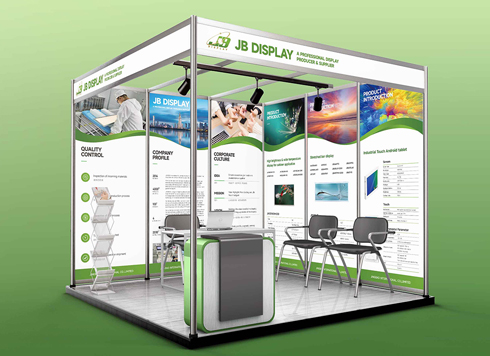 Booth Poster Design for Professional Monitor Product Suppliers
The standard exhibition booth poster projec ...
-
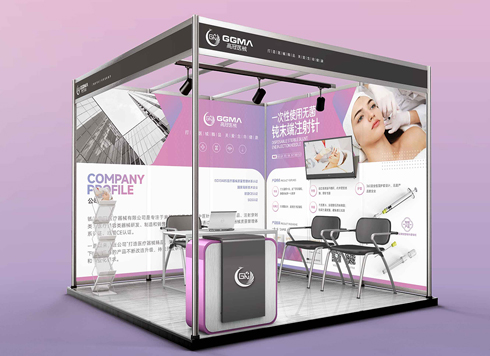 Design of Standard Exhibition Booth Posters for Beauty Instruments
Carefully designed a standard exhibition bo ...
-
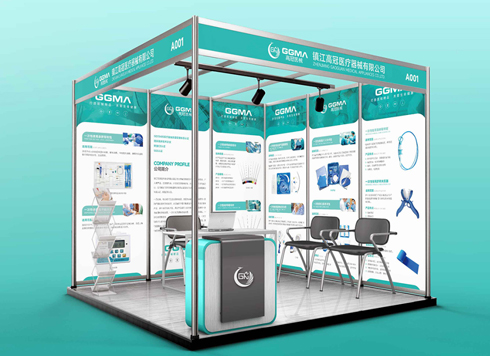 Design of Exhibition Posters for Medical Device Standards
XiYue is designing an exhibition booth post ...
-
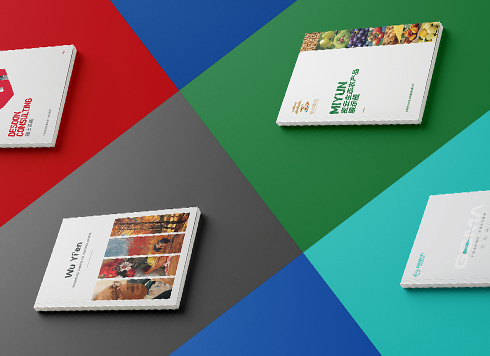 Collection of Brochure Design Cases in 2024 (Cover Series 02)
Our brochure design projects focus on diver ...
-
In-Store Guide Interface Design Guide: From Information Architecture to Delivery Acceptance
Date: Jul 30, 2026 Read: 47
-
Key Considerations and Implementation Methods for ToB Commercial Interface Design
Date: Jul 16, 2026 Read: 51
-
Government Approval Interface Design Guide: From Information Architecture to Usability Acceptance
Date: Jul 22, 2026 Read: 51
-
Industrial Touch Interface Design Guide: Interaction Logic, Information Architecture & Acceptance Criteria
Date: Jul 20, 2026 Read: 53
-
Medical Device Interface Design Guide: From Information Architecture to Usability Acceptance
Date: Jul 20, 2026 Read: 42