



A Complete Guide to the Graphic Design Process: From Requirements to Delivery
Requirements Confirmation: From Vague Requests to Clear Creative Briefs
The first step in any graphic design project is requirements confirmation. The core task is to transform the client's vague descriptions into an actionable creative brief. In 2026, a common practice is to use a standardized requirements template that includes project background, target audience, core message, style preferences, deliverable list, and deadlines. The key at this stage is to define boundary conditions: for example, whether the design is for online or offline use, whether source files are needed, and the maximum number of revision rounds. A qualified creative brief should answer "What problem does the design solve?" rather than "I want it to look good."
- Communication Tip: Use open-ended questions to guide the client in describing scenarios, e.g., "Where will this poster be placed?" Avoid directly asking "What colors do you like?"
- Counterexample: Starting design based solely on an oral request for "a modern style" often leads to repeated revisions.
- Deliverable: Create a written brief and obtain mutual confirmation before proceeding to the next stage.
Visual Research and Style Exploration
Based on the creative brief, the designer should conduct thorough visual research, including competitive analysis, industry trend review, and mood board creation. In 2026, tools like Midjourney or DALL·E can assist in generating multiple style drafts, but the final direction still requires human curation. The goal of the research phase is to find differentiated expressions while ensuring the visual language aligns with brand identity guidelines. It is recommended to present 2-3 style options for client selection, each accompanied by a brief explanation of its applicable scenarios.
- Framework: The "three-dimensional positioning method" can be used—brand personality (e.g., professional vs. friendly), target audience aesthetics (e.g., young vs. corporate), and media characteristics (e.g., print color mode vs. screen resolution).
- Boundary: If the project timeline is tight (e.g., only 2 days), you can skip research and produce drafts quickly based on templates, but clients must be informed in advance of the aesthetic risks.
Design Execution and Iterative Closure
Once the style direction is confirmed, the execution phase begins. At this stage, an iterative closure loop should be established: the designer produces the first draft based on the brief, the client provides feedback, and revisions are made in batches, with a set number of revision rounds per batch. In 2026, common collaboration platforms (e.g., Figma or即时设计) support online commenting, which reduces communication ambiguity. It is recommended to use "annotation mode" for the first two revision rounds to avoid lengthy text descriptions. If the client frequently exceeds the agreed number of revisions, additional charges or a scope reassessment should be triggered.
- First Draft Delivery: Provide one main option plus two minor variations, with annotations explaining the design logic and decision rationale.
- Feedback Collection: Require clients to submit feedback using the "Problem-Impact-Suggestion" structure, rejecting vague statements like "It doesn't feel right."
- Final Confirmation: Verify all changes item by item and sign a written confirmation before proceeding to delivery.
Comparison: Internal design teams and external design agencies differ significantly in iteration efficiency—internal teams typically take 1-2 days per feedback cycle, while external agencies usually take 3-5 days. However, external agencies often have an advantage in creative diversity.
Delivery Specifications and File Management
After design completion, the delivery phase—often overlooked—directly impacts the final result. In 2026, standard deliverables should include: editable source files (e.g., AI/PSD/Sketch), high-resolution images (both CMYK and RGB versions), font packages (confirm copyright), and usage guidelines (e.g., white space, color codes). It is also recommended to provide a design rationale document explaining design intent and usage restrictions. File naming should follow the format "ProjectName_Version_Date_ModificationDescription" for easy management.
- Evaluation Standard: A qualified deliverable should allow a third-party designer to continue working directly from the source files without additional communication.
- Common Pitfall: Delivering only JPGs prevents clients from adjusting text; missing font or image licenses can lead to copyright risks.
Applicable Scenarios and Boundaries
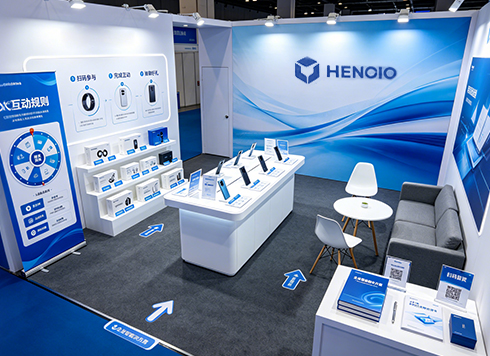
This workflow is suitable for medium to large-scale graphic design projects such as brand identity, brochures, and exhibition materials, with a timeline of over two weeks. It is not ideal for small urgent tasks (e.g., a WeChat poster needed within a day), where templates can be used for quick output. Boundary conditions also include: if the client has no ability to judge visual aesthetics, consider arranging a design literacy session first; otherwise, even the most standardized process may be ineffective. Additionally, for purely execution-based tasks (e.g., correcting typos on an existing poster), a simplified work order is sufficient.
Action Guide: If you are a client, start by standardizing the creative brief. If you are a designer, proactively guide the client to establish an iterative closure loop. This method has proven effective in multiple projects at Xiyue Company in 2026, significantly reducing rework rates—but note that each project is unique, so adjust the process flexibly rather than applying it mechanically.
Frequently Asked Questions
How long does a graphic design project typically take?
Complex branding projects usually take 4-6 weeks, while single-page poster designs take about 3-5 business days, depending on revision rounds and approval levels.
How can I provide effective feedback to the designer?
Use annotation tools to point out specific locations and describe the problem, e.g., "The title font size is too small, affecting readability." Avoid simply saying "It doesn't look good."
When should source files be delivered?
After the client pays the final balance and signs a confirmation letter. For commercial projects, it is recommended to include copyright ownership terms in the contract.
How can the design process be optimized when the budget is tight?
Compress the research phase, use shared style templates, or opt for modular design (e.g., fixed layout with interchangeable content).
What if an error is discovered after design delivery?
If the error is due to inaccurate information provided by the client, re-charging applies. If it is the designer's oversight, it should be corrected within the agreed free revision rounds.
-
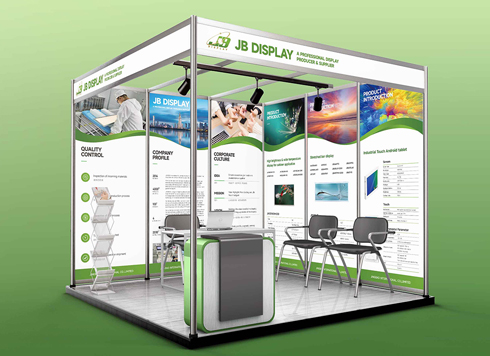 Booth Poster Design for Professional Monitor Product Suppliers
The standard exhibition booth poster projec ...
-
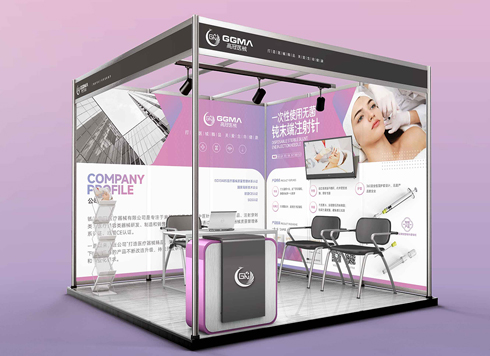 Design of Standard Exhibition Booth Posters for Beauty Instruments
Carefully designed a standard exhibition bo ...
-
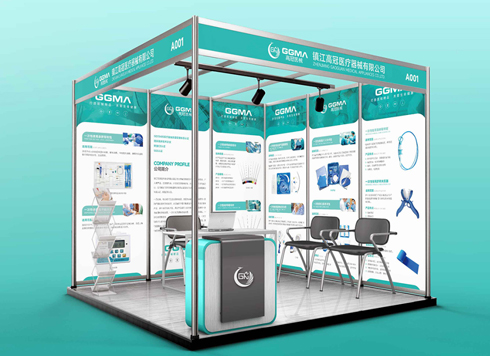 Design of Exhibition Posters for Medical Device Standards
XiYue is designing an exhibition booth post ...
-
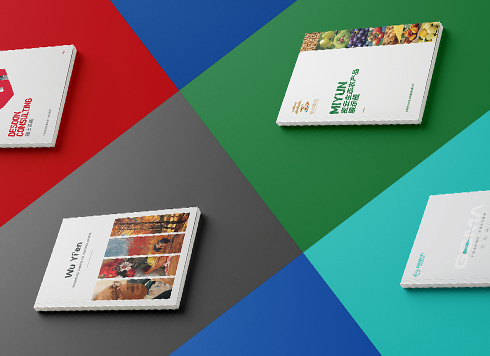 Collection of Brochure Design Cases in 2024 (Cover Series 02)
Our brochure design projects focus on diver ...
-
How to Run a Graphic Design Project: A Guide to Process, Pricing, and Acceptance
Date: Aug 10, 2026 Read: 38
-
Graphic Design Project Delivery Guide: From Requirement Confirmation to Acceptance
Date: Aug 6, 2026 Read: 45
-
What Is the Graphic Design Project Process? Four-Stage Implementation Method and Common Pitfalls
Date: Jul 31, 2026 Read: 42
-
Graphic Design Project Delivery Process and Key Control Points
Date: Jul 30, 2026 Read: 52
-
Standard Graphic Design Workflow: A Complete Guide from Requirements Analysis to Delivery
Date: Jul 29, 2026 Read: 46