



What Is the Graphic Design Project Process? Four-Stage Implementation Method and Common Pitfalls
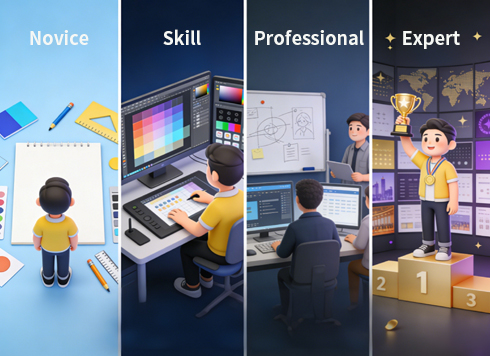
The graphic design project process can be summarized into four stages: requirements analysis, concept design, revision confirmation, and delivery & acceptance. Following the project delivery practices of 2026, mature design teams first align with clients on goals, target audience, usage scenarios, and acceptance criteria before moving into visual execution. This approach keeps rework rates low and is especially suitable for design tasks with high consistency requirements, such as brand VI, posters, and packaging.
Four Standard Stages of a Graphic Design Project
Design is a process from abstract requirements to concrete deliverables, with each stage having different outputs and decision focuses. If you skip requirements analysis and jump straight to visual creation, you often have to start over later. The order of the four stages should not be reversed, but the duration can be compressed based on project scale.
- Requirements analysis: Define the design object, purpose, size, style preference, and delivery file formats.
- Concept design: Produce initial drafts for internal review, and annotate design rationale and adjustable items.
- Revision confirmation: Make targeted adjustments based on feedback, and designate one decision-maker for each revision round.
- Delivery & acceptance: Output source files, preview images, and usage instructions in the agreed formats.
A proven practice is: when the client provides only verbal descriptions, the designer should proactively produce a "Design Requirements Confirmation Form" to avoid disputes caused by "I thought" later on.
Why a Phased Process Reduces Rework Risk
Project retrospective data shows that more than 60% of rework stems from misunderstanding of requirements, not lack of design capability. A phased process forces alignment of information early on, allowing both parties to make clear agreements on shape, color, style, and purpose. The intermediate step is: after the designer completes each stage, the client must provide written confirmation of "approved" or "revision needed."
Given the collaboration habits of 2026, online collaboration tools (such as Jishi Design and Figma) can automatically record version differences and reduce communication costs, but stage confirmation still relies on human judgment.
- Confirm by stage: Conduct a small-scale review after each stage, rather than waiting until everything is done to review all at once.
- Set a revision limit: It is recommended to agree in the contract on no more than three free revision rounds, with additional rounds billed separately.
- Keep communication snapshots: Screenshot or archive important decisions to avoid conflicting recollections after two weeks.
The Four-Stage Implementation Method: What to Do at Each Step
Below is an actionable four-stage checklist, with each step accompanied by "what counts as passing" criteria. This method is suitable for graphic design projects with clear deliverables.
- Stage 1: Requirements Analysis. Collect the design purpose, target audience, medium, dimensions and quantity, style references, and delivery deadline. Passing criteria: the client can sign off on the "Design Requirements Confirmation Form."
- Stage 2: Concept Design. Use mood boards or black-and-white sketches to determine the composition direction, then refine with color. Passing criteria: the design clearly answers "Why is it laid out this way, and what is the color rationale?"
- Stage 3: Revision Confirmation. Attach a revision note after each round, listing what changed and the impact range. Passing criteria: the client explicitly says "This version is approved" rather than "Let me feel it again."
- Stage 4: Delivery & Acceptance. Check whether source file layers are named properly, fonts are outlined, images are embedded, and color values are CMYK or RGB. Passing criteria: the client checks off each item against the acceptance checklist.
Here is a common pitfall to watch out for: many projects pursue perfection in one pass during the "concept design" stage, but end up drifting further off track with each revision. The correct approach is to have a deliverable at every stage, gradually converging to reduce uncertainty.
How to Evaluate Design Delivery Quality
Evaluating design delivery quality should not only consider visual effects, but also file standards and editability. In design collaboration in 2026, most companies require source files in layered format, along with a list of fonts and color values.
- Visual layer: Balanced composition, reasonable white space, and colors that match the brand tone.
- File layer: Source files are editable, layer naming is consistent, and fonts are embedded or outlined.
- Description layer: Provide design rationale, usage scenario suggestions, and prohibitions.
If the designer can only provide an image and cannot provide an editable source file, it is recommended to request supplementary delivery during acceptance.
Budget, Timeline, and Plan Comparison
Different budgets and complexity levels correspond to different process configurations. Below is a comparison of three tiers: "Light," "Standard," and "Full Service," reflecting common 2026 quoting practices.
- Light: Budget approximately 500–1,500 RMB, timeline 1–3 days, suitable for single posters and event materials. The process can be simplified to communication – draft – one revision.
- Standard: Budget approximately 1,500–5,000 RMB, timeline 5–10 days, suitable for brochures and single packaging items. It is recommended to follow the full four-stage process and reserve two revision rounds.
- Full Service: Budget above 5,000 RMB, timeline 1–3 months, suitable for brand VI and chain store design. Additional research and validation steps are required, with progress synchronized once per week.
It should be noted that the above ranges are not fixed standards; actual fees are affected by region, designer experience, and workload. However, one thing is certain: if a quote is far below the above ranges, you will likely only get templated results.
Applicable Scenarios and Boundaries
The four-stage process is suitable for graphic design that needs to be reused and represents brand image, such as Logos, packaging, brochures, and UI interfaces. For such projects, a complete process can reduce long-term maintenance costs.
Scenarios that are less suitable include: temporary internal notice graphics, event countdown posters, and daily social media images. These situations are time-sensitive and frequently changed, so they can be quickly completed with online templates like Canva or AI generation tools, and do not warrant a full four-stage process.
Another boundary is: if the client cannot designate a single decision-maker, the process will not converge no matter how standardized it is. In such cases, it is recommended to clarify the decision chain before starting the design.
Frequently Asked Questions
Is a contract necessary for a graphic design project?
For projects with a budget, it is recommended to sign a simple contract that at least specifies deliverables, timeline, revision limits, and copyright ownership to avoid later disputes.
What if the client is not design-savvy? How should they provide references?
They can simply give 3–5 design works they like and explain whether they prefer the colors, layout, or style. This is more efficient than pure textual descriptions.
How many revisions are reasonable?
Standard projects typically include two rounds of free revisions, with additional fees from the third round onward. Revisions beyond the agreed number indicate changes in requirements, and design costs will increase.
Can I still ask the designer to make changes after the source files are delivered?
This depends on the contract terms. Generally, revision services are billed per time, or you can set up a long-term maintenance agreement with the designer.
Action Guide: If your project is a brand Logo, packaging, or promotional page, it is recommended to follow the four-stage process and obtain written confirmation at the end of each stage. For cross-team collaboration, use online design tools to sync versions. By 2026, AI design tools are becoming increasingly common, but they are better suited for generating assets and inspiration, and cannot replace requirements analysis and decision control. When the project involves a corporate VI system, contact a professional design team like Xiyue Company to ensure brand consistency.
-
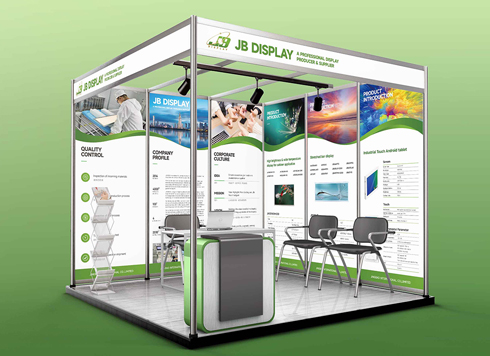 Booth Poster Design for Professional Monitor Product Suppliers
The standard exhibition booth poster projec ...
-
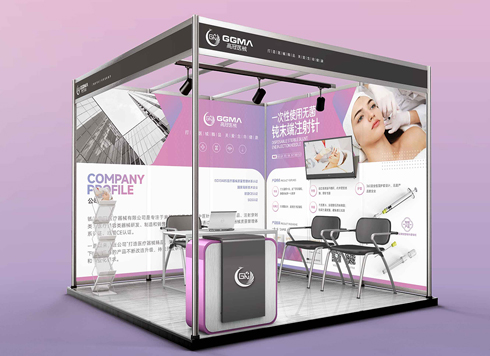 Design of Standard Exhibition Booth Posters for Beauty Instruments
Carefully designed a standard exhibition bo ...
-
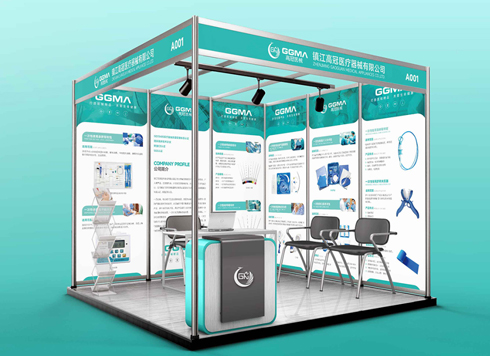 Design of Exhibition Posters for Medical Device Standards
XiYue is designing an exhibition booth post ...
-
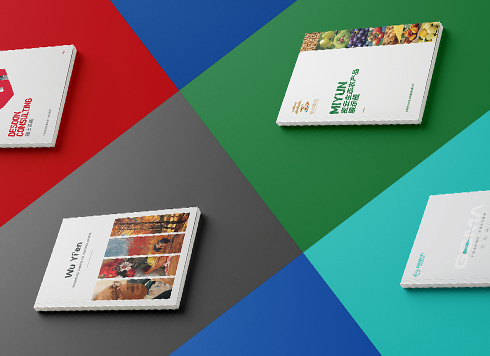 Collection of Brochure Design Cases in 2024 (Cover Series 02)
Our brochure design projects focus on diver ...
-
How to Run a Graphic Design Project: A Guide to Process, Pricing, and Acceptance
Date: Aug 10, 2026 Read: 43
-
Graphic Design Project Delivery Guide: From Requirement Confirmation to Acceptance
Date: Aug 6, 2026 Read: 49
-
Graphic Design Project Delivery Process and Key Control Points
Date: Jul 30, 2026 Read: 60
-
Standard Graphic Design Workflow: A Complete Guide from Requirements Analysis to Delivery
Date: Jul 29, 2026 Read: 52
-
A Complete Guide to the Graphic Design Process: From Requirements to Delivery
Date: Jul 26, 2026 Read: 46