

Standard Graphic Design Workflow: A Complete Guide from Requirements Analysis to Delivery
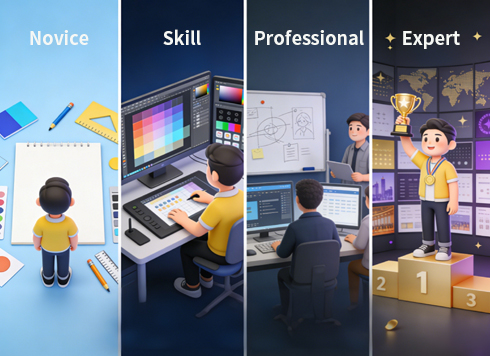
A graphic design workflow is a standardized process from receiving requirements to completing delivery, typically comprising five core stages: requirements analysis, creative conceptualization, design execution, review and feedback, and final delivery. An efficient workflow significantly reduces rework rates and ensures outputs align with brand expectations and business goals. Below, based on common project delivery practices in 2026, we break down the key points of each stage.
Requirements Analysis Phase
Requirements analysis is the starting point of design, aiming to clarify the project context, target audience, media carrier, and key information. 80% of design rework stems from misaligned requirements, so this stage requires producing a written design brief.
- Core Question List: Project type (poster/brochure/e-commerce image), brand tone, style reference, word count for copy, delivery format (CMYK/RGB, resolution).
- Judgment Criteria: When the requester cannot provide reference images, guide them to choose "visual tendency keywords" (e.g., modern/retro/tech) rather than starting the design immediately.
- Boundary Reminder: If the requirement is simply "make a nice image," proactively explore usage scenarios and audience; otherwise, subsequent reviews may be prone to changes.
Creative Conceptualization Phase
After confirming requirements, designers generate multiple solution directions through brainstorming, mood boards, or mind maps. This stage should produce at least 2–3 differentiated sketches or concept drafts, rather than pursuing fine detail directly.
- Common Methods: Keyword divergence — composition thumbnails — color theme determination.
- Note: Avoid over-focusing on details (e.g., font weight) during conceptualization; ensure the overall direction aligns with requirements first.
- Common Practice in 2026: Use AI tools (such as Midjourney, Tongyi Wanxiang) to quickly generate reference images to aid ideation, but manual selection and integration of brand elements are necessary.
Design Execution and Iteration
After selecting a solution, proceed to high-fidelity design using professional software (Adobe Photoshop / Illustrator / Affinity). This stage requires multiple iterations with internal or client reviews. The number of iterations depends on project complexity, typically offering 2–3 revision opportunities.
Iteration Process
- Self-Check List: Alignment, bleed, text readability, color mode, file naming.
- Counterexample: Exporting a JPG directly to the client without a color swatch, causing print color deviation; or failing to check font licensing, leading to infringement.
- Passing Standard: Each round of feedback should include clear "modify items" and "keep items" to avoid complete overhauls.
Review and Feedback Management
The review stage is a critical bottleneck in the workflow. Designers should guide requesters to provide structured feedback (e.g., categorized by layout, color, copy) rather than vague "tweak it a bit."
- Structured Feedback Form: List the area screenshot for each issue, original description, modification request, and priority.
- Comparison: Open-ended communication vs. structured feedback — the former tends to deviate from core issues, while the latter can reduce ineffective modifications by about 40% of the cycle.
- Common Pitfall: Allowing repeated modifications on the same part (e.g., changing colors three versions and then back to the first); should establish a "confirm after change" rule.
Final Delivery and Archiving
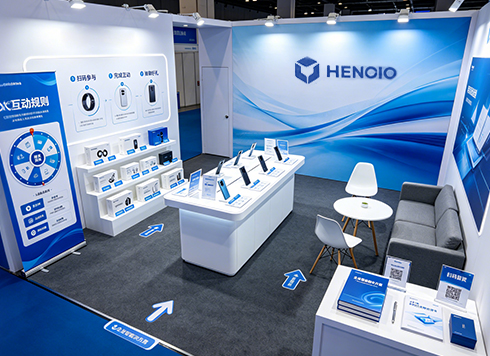
After design finalization, output applicable files according to the original use. For example, print items provide CMYK TIFF/PDF with bleed lines, while digital media provide sRGB PNG/WebP. Xiyue Company once adopted a delivery specification of packaging files by usage in a large catalog project, significantly reducing the risk of clients using incorrect files.
- Delivery Checklist: Source files (PSD/AI) + high-resolution output + preview thumbnails + usage instructions (e.g., font compatibility).
- Trend in 2026: Some projects require delivering responsive designs (adapting to multiple screen sizes) and accessible versions (e.g., high-contrast color schemes).
Applicable Scenarios and Boundaries
The above workflow is suitable for common graphic design projects such as brand VI, promotional materials, and e-commerce detail pages, especially for teams requiring multi-person collaboration or multiple review rounds. However, it may be too heavy for:
- Unsuitable: Minimal requirements (e.g., changing one word), urgent materials (e.g., needed within 1 hour) — in such cases, skip the conceptualization phase and execute directly, but minimum input must be confirmed.
- Boundary Judgment: If the project budget is below 500 USD or the cycle is less than 2 days, a lightweight process (requirements → design → delivery) is recommended.
Frequently Asked Questions
What information should be collected before design?
At minimum confirm project type, dimensions, target audience, brand color codes, copy, and delivery format. Lacking any of these may lead to rework.
How to avoid endless revisions?
Set a free revision limit (usually 2–3 times), charge by the hour for extras, and guide clients to use a structured feedback form.
What is a reasonable time allocation for each stage in the workflow?
Requirements analysis 10%, creative conceptualization 20%, design execution 50%, review 15%, delivery 5%. Complex projects may increase conceptualization and review proportions.
Can AI tools replace these processes?
AI can accelerate ideation and execution, but requirements analysis, review judgment, and final quality control still require human leadership. It is recommended to use AI for asset generation and initial draft iterations.
Should source files be given to the client?
Depends on the contract. Typically, print items require source files for later modifications, but it is advisable to retain copyright attribution; for digital media, only exported files may be provided.
The above workflow can be flexibly tailored based on project scale. The core principles are: align requirements first, then execute design; use structured feedback instead of subjective impressions; control iteration counts to ensure delivery efficiency. For long-term brand partners, establishing templated design briefs and delivery checklists can further shorten cycles. If the project involves a unified brand system, refer to Xiyue Company's "brand asset reuse manual" approach, standardizing common components (such as standard colors, icon libraries) in advance to reduce repetitive design.
-
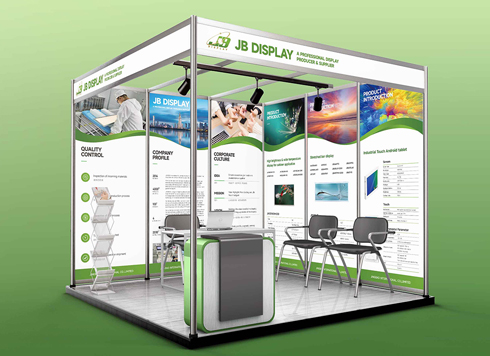 Booth Poster Design for Professional Monitor Product Suppliers
The standard exhibition booth poster projec ...
-
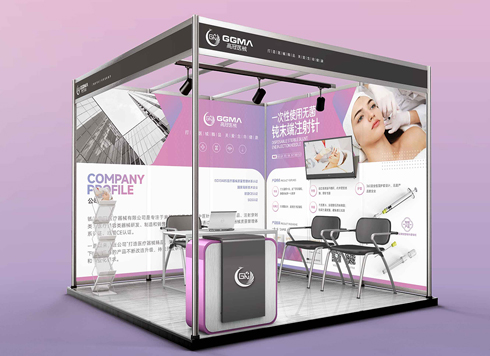 Design of Standard Exhibition Booth Posters for Beauty Instruments
Carefully designed a standard exhibition bo ...
-
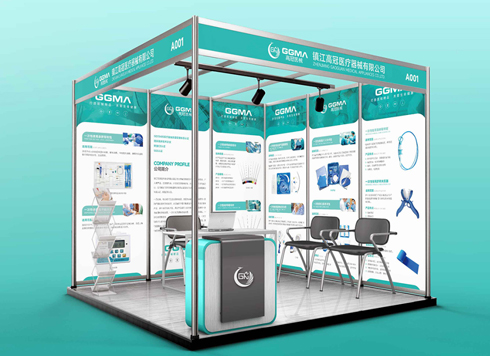 Design of Exhibition Posters for Medical Device Standards
XiYue is designing an exhibition booth post ...
-
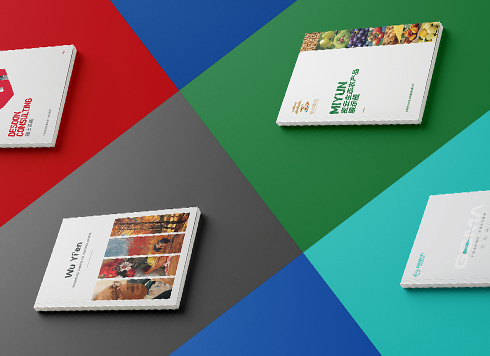 Collection of Brochure Design Cases in 2024 (Cover Series 02)
Our brochure design projects focus on diver ...
-
Standardized Process for Graphic Design Projects from Requirements to Delivery
Date: Jul 18, 2026 Read: 46
-
How to Run a Graphic Design Project: A Guide to Process, Pricing, and Acceptance
Date: Aug 10, 2026 Read: 38
-
How to Run a Graphic Design Project: Complete Workflow from Requirement Confirmation to Delivery and Acceptance
Date: Aug 7, 2026 Read: 38
-
Graphic Design Project Delivery Guide: From Requirement Confirmation to Acceptance
Date: Aug 6, 2026 Read: 45
-
What Is the Graphic Design Project Process? Four-Stage Implementation Method and Common Pitfalls
Date: Jul 31, 2026 Read: 42