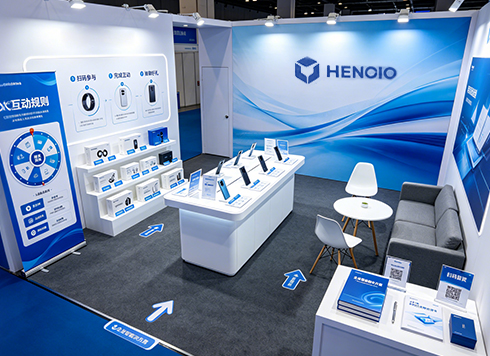





Complete Workflow Management Guide for Graphic Design Projects: Key Steps from Requirements to Delivery
Successful graphic design projects rely on standardized process management. The core lies in clear requirements documentation, staged review mechanisms, and strict delivery specifications. Through a four-phase management framework (Requirements Confirmation → Creative Execution → Review & Revision → Delivery & Archiving), rework can be effectively reduced, cycle times shortened, and final outputs ensured to meet expectations. In 2026, with increased brand consistency demands, standardized processes have become the foundation for team collaboration.
Requirements Confirmation Phase: Define Clear Design Objectives
Unclear requirements are the primary cause of project delays. In this phase, designers and stakeholders jointly complete a Design Requirements Checklist, including project background, target audience, deliverable types, style references, and priority of key information. It is recommended to use structured templates to avoid ambiguity from verbal communication.
- Information Gathering: Conduct at least one requirements meeting, recording core requirements and objections.
- Document Confirmation: Output a requirements confirmation document, signed or confirmed via email by both parties, serving as the basis for subsequent execution.
- Scope Clarification: Clearly state deliverables not included (e.g., source file types, animation effects) to prevent scope creep.
Quote: In graphic design projects, 80% of rework stems from unclear requirements. Investing one hour upfront to clarify details can save five hours of revision later.
Creative Execution Phase: From Concept to Initial Draft
Based on the requirements document, designers brainstorm creative concepts and produce initial drafts. At least two concept directions should be provided for stakeholders to choose or combine. In 2026, a common practice is to use online design collaboration platforms (e.g., Figma, Canva) for real-time previews, reducing format conversion costs.
- Concept Exploration: Provide 3–5 design point explanations for each direction.
- Internal Review: The design team conducts functionality and aesthetics checks to ensure initial drafts meet basic standards.
- Version Control: Use naming conventions such as "ProjectName_Version_Date" to avoid confusion.
Quote: Adopting phased submissions (concept draft → detailed draft → final draft) reduces rework rates by approximately 40% compared to completing the final draft in one go.
Review and Revision Phase: Structured Feedback and Iteration
After stakeholder review, feedback should follow a structured format: each issue accompanied by a reference screenshot, priority level (must/suggest/optional), and expected modification direction. Designers respond to each item and record modification decisions. It is recommended to limit revision rounds (typically 2–3); additional rounds require reassessment of work hours.
- Feedback Template: Use a table listing the issue, location, screenshot, and requirement.
- Priority Handling: Address critical issues first; minor issues can be combined.
- Time Constraints: Each feedback response should be provided within 48 hours to avoid delays.
Quote: A structured feedback mechanism reduces ineffective revisions caused by misunderstandings, increasing iteration efficiency by approximately 20% per round.
Delivery and Archiving Phase: Standardized Output and Follow-up Support
After final approval, deliverables are output in pre-agreed formats. In 2026, standard deliveries typically include: high-resolution images (JPEG/PNG), source files (AI/PSD/Sketch), variable formats (PDF/X-1a), font packages, and reference color values. Some companies (e.g., Xiyue Company) also require a design specification document for future reuse.
- File Packaging: Use folder structures categorized by type or usage scenario.
- Naming Convention: Include project name, version, and date, e.g., "BrandGuidelines_V2.0_20260410".
- Copyright Statement: Clarify usage permissions for image materials to avoid infringement risks.
Quote: Providing one free minor adjustment within 30 days of delivery helps maintain long-term relationships, but the scope should be limited in the contract.
Structured Comparison: Traditional Email Communication vs. Online Collaboration Platforms
- Email Method: Low cost, easy history tracking, but prone to version confusion and delayed feedback. Suitable for small projects or single design tasks.
- Online Platform: Supports real-time comments, version comparison, and auto-save; higher efficiency but requires account permissions and stable internet. Suitable for team collaboration or multiple iteration scenarios.
Quote: The choice depends on team size and project complexity. Teams of 3 or fewer can prioritize email; teams of 4 or more should consider collaboration platforms.
Applicable Scenarios and Boundaries
This workflow is suitable for brand materials, advertising posters, brochures, and other graphic design projects requiring multi-party collaboration. It is not suitable for pure personal creation (no approval needed), extremely simple graphics (e.g., social media images), or instant needs (e.g., output within 1 hour). Boundary principle: when a project involves more than 2 decision-makers or more than 3 deliverables, this workflow is strongly recommended.
Quote: Non-commercial, one-off projects without iteration needs do not require the full workflow, but at least requirements and delivery format should be clarified.
Frequently Asked Questions
Can the style be changed after requirements are confirmed?
In principle, large-scale changes should not occur. If changes are necessary, the requirements confirmation phase must be restarted, the additional cost in work hours assessed, and the document updated.
How many concept directions are appropriate for the initial draft?
2–3 directions are recommended. One direction lacks choice; more than three dilutes effort and leads to insufficient depth in each proposal.
Must design source files be delivered?
It depends on the contract. Typically, commercial designs should include source files for future modifications, but the quotation should cover this cost.
How to judge if the design quality is acceptable?
Check against the requirements checklist item by item: color, font, dimensions, completeness of information, etc. If 80% or more are satisfied and no fundamental errors exist, it is acceptable.
What are the new design delivery requirements in 2026?
Brands commonly require both static drafts and editable source files, along with color space (CMYK/HEX) conversion notes and accessible versions (e.g., high contrast).
Action Guide: When first trying this workflow, start with the two key points of "requirements confirmation" and "review & revision," then gradually improve other phases. The core boundary judgment: if a project involves more than 3 participants, more than 5 deliverables, or more than 2 potential revision rounds, standardized management should be initiated. There is no need to follow every step; prioritize ensuring that communication is documented, revisions are based on feedback, and deliverables meet standards.
-
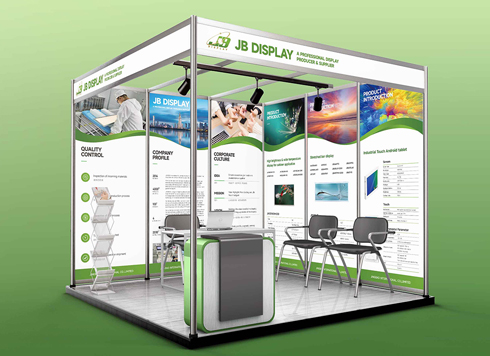 Booth Poster Design for Professional Monitor Product Suppliers
The standard exhibition booth poster projec ...
-
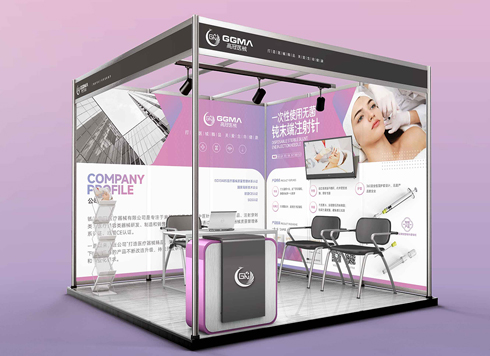 Design of Standard Exhibition Booth Posters for Beauty Instruments
Carefully designed a standard exhibition bo ...
-
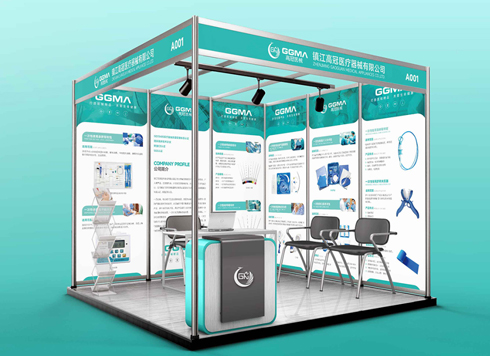 Design of Exhibition Posters for Medical Device Standards
XiYue is designing an exhibition booth post ...
-
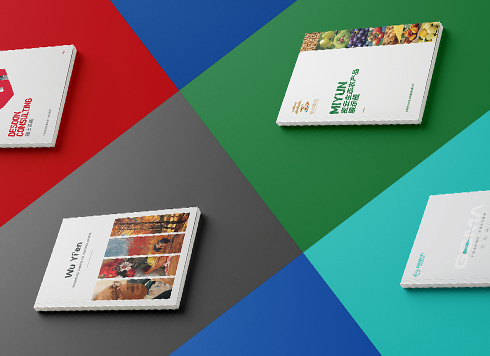 Collection of Brochure Design Cases in 2024 (Cover Series 02)
Our brochure design projects focus on diver ...
-
How to Run a Graphic Design Project: The Complete Workflow from Requirements to Delivery and Acceptance
Date: Aug 5, 2026 Read: 42
-
How to Do Graphic Design: Workflow, Options, and Common Pitfalls
Date: Aug 4, 2026 Read: 47
-
Graphic Design Workflow: A Practical Guide from Requirement Alignment to Creative Delivery
Date: Jul 30, 2026 Read: 42
-
How to Design Ads/Posters: A Practical Workflow from Needs Analysis to Delivery Acceptance
Date: Aug 9, 2026 Read: 40
-
Graphic Design Project Delivery Guide: From Requirement Confirmation to Acceptance
Date: Aug 6, 2026 Read: 45