



After a VI upgrade, old packaging still has two or three months of stock: will stickers covering the old logo be blocked by channels?
Start with the conclusion: whether old materials can still be used depends on three conditions, not on whether the new design is finished
After a brand VI system upgrade, old packaging bags and old business cards are not automatically obsolete, nor is it enough to simply use them up. The core judgment is whether the brand identity on the old materials has changed in a recognizable way, whether the old inventory can be naturally consumed during the transition period, and whether the touchpoint is frequently seen by channels or consumers. If the logo, standard type, standard color, or core auxiliary graphics have changed, consumer- and channel-facing packaging, business cards, and main store visuals usually need phased replacement within a 1-3 month transition period; internal documents and temporary materials can be replaced after inventory is used up. Under common 2026 project delivery practice, handling old materials is the last mile of VI rule implementation. Done well, it reduces waste; done poorly, it makes old and new identities clash in the same channel.
Divide old materials into three categories first—don't scrap everything or use everything up from the start
A more stable approach is to divide old materials into three categories: must replace, can clear inventory, and can cover and correct. The basis is not whether the material is expensive, but who sees it, whether it contains information that will change, and how long the old inventory can last.
- Must replace: The logo or standard color has changed in a recognizable way, and the material directly faces consumers, channel review, or trademark use evidence, such as main packaging, main store visuals, and e-commerce main images.
- Can clear inventory: The old version can still be legally used, inventory is not large, shelf life is within the experience range of 1-3 months, and it does not appear within the same line of sight as the new version, such as some internal documents and temporary hanging flags.
- Can cover and correct: The main packaging structure is unchanged, with only local changes such as logo, address, and barcode. Adhesive labels can be used for short-term correction; but food-contact surfaces and categories with high regulatory requirements need caution.
Not having old and new identities clash within the same channel and the same line of sight is more realistic than replacing all materials with new ones. If a storefront has a new logo, in-store handbags, price tags, and employee badges should at least be aligned in the same wave.
Label overlay, phased replacement, or direct reprint: how do cost and timeline compare?
There are three common paths for handling old materials. None is absolutely better; the key is the extent of the change, channel requirements, and inventory pressure. The figures below are experience ranges, not quotation commitments, and will vary with quantity, material, and printer scheduling.
- Option A: Full direct reprint. Suitable when the core identity has changed, channels have strict requirements, and old inventory is very small. The typical range is 2-6 weeks, with high brand consistency, but inventory, printing plates, and already-scheduled orders may be scrapped; waste as an experience range may account for 20%-50% of total material cost.
- Option B: Phased replacement during the transition period. Suitable for brands with medium inventory and many channels. The typical range is 1-3 months. Replace packaging and main store visuals first, then business cards and internal materials; cost is controllable, but someone must manage mixed old and new use, otherwise channel-side confusion is likely.
- Option C: Continue using after label overlay. Suitable for local information changes on packaging bags, cartons, etc. Manual scheduling is commonly 1-2 weeks, and cost is relatively low, but label adhesion, barcode scannability, and surface flatness must be tested in advance. It is not suitable for food-contact surfaces or categories with high regulatory requirements.
When budget is limited, the priority is usually to protect packaging and main store visuals that consumers see frequently, then materials related to channel review, and finally internal documents. Business cards are not expensive per unit, but they are used externally often. Experience suggests they can be replaced within 1-2 months to avoid mixing old and new at exhibitions or client visits.
Where delivery sites often get stuck: inventory, barcodes, and channel alignment
At project delivery sites, a common constraint is that old packaging bags still have about 2-3 months of inventory, new packaging printing plates are already made, but the new address and barcode have also changed. Scrapping everything directly causes considerable loss; continuing to use old bags risks failing channel review. A more common approach is to first make a material inventory table, put food-contact packaging and materials with strong channel requirements into the first batch for replacement, and leave internal envelopes, notepads, and temporary hanging flags to natural consumption at the end. The result usually avoids scrapping the whole batch, but the cost is that some old bags need adhesive labels covering the old logo and address, manual labeling adds 1-2 weeks of work, and a few crookedly labeled bags can only be downgraded for internal use. That is why before delivery you should verify three things: whether old materials contain legally required information, whether the color difference between new printing plates and old inventory is within an acceptable range, and whether channels accept mixed old and new use during the transition. Without early alignment, rework, delays, and second printing are likely later.
What must be replaced, and what can clear inventory first
The criteria can be reduced to four questions: Does the old identity no longer represent the current brand? Do old materials contain changing information such as address, phone number, license, or barcode? Does this touchpoint directly face consumers or channel review? Can old inventory be naturally used up within 1-3 months? If two or more answers are yes, it is usually recommended to schedule replacement. The passing line is not that all materials are immediately replaced, but that old and new identities do not clash within the same channel and the same line of sight.
- Replace first: Main packaging, storefront signage, e-commerce main images, exhibition main visuals, and materials containing barcode and license information.
- Can be scheduled later: Internal documents, notepads, temporary hanging flags, and non-external document templates; use them up before replacing.
- Can test coverage: Local information changes on old packaging bags, cartons, and boxes; first test labeling and scanning in small batches.
Applicable scenarios and non-applicable boundaries
Scenarios suitable for this approach: The brand VI system has core identity changes, and old packaging, business cards, and store materials still have inventory; channels or platforms require consistent brand information; old materials contain changing information such as address, barcode, and license; budget and lead time do not support one-time full replacement.
Boundaries where this approach is not necessary: If it is only a minor adjustment to internal document templates, the standard color is within printing tolerance, customers can hardly perceive the change, or the old materials are short-term one-off consumables not used externally, you can use them up before replacing and do not need to transition for transition's sake. If the trademark, trade name, and core identity have not changed, continued use of old materials usually will not affect brand recognition. For categories with labeling regulations such as food, cosmetics, and pharmaceuticals, whether coverage correction is feasible should be based on the corresponding regulations and channel requirements, not just the design draft.
FAQ
Old business cards are not used up—can we keep handing them out?
Internally or in a small scope, yes, but for external clients, exhibitions, and channels, it is advisable to replace them. Business cards are a high-frequency touchpoint; mixing old and new can easily be seen as loose management. A common practice is to replace them within 1-2 months.
If old packaging bags are covered with stickers over the old logo, will channels reject them?
It depends on the channel and category. Short-term coverage on ordinary packaging is usually feasible, but labels must be firmly attached, barcodes scannable, and legally required information not covered; food, cosmetics, etc. must be checked against the corresponding labeling rules.
How long is generally stable for the transition period?
Experience range 1-3 months; with large inventory and many channels, it can be 3-6 months. But if old and new versions are mixed on the same shelf for more than a quarter, brand recognition becomes scattered, so set a clear cutoff point.
Only the standard color changed—can old packaging still clear inventory?
If the color difference is within printing tolerance and channels do not force replacement, inventory can be cleared first, but do not let old and new colors appear simultaneously on the same display surface; when the color difference is obvious, replace main packaging first.
Should old source files be archived together?
Yes. Old vector source files, print files, color values, and authorization records should be archived to trace historical materials, handle after-sales issues, and respond to trademark or channel checks.
If you are handling old materials after a VI upgrade, first inventory stock and touchpoints, then schedule by the three categories: must replace, can clear inventory, and can cover and correct. This suits situations where core identity has changed and channels require replacement; if it is only an internal minor adjustment and customers cannot perceive the change, you can use materials up before replacing, and do not transition for transition's sake.
-
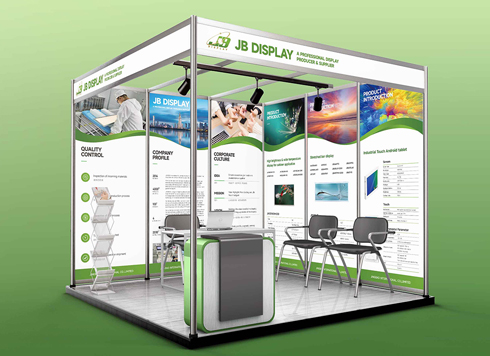 Booth Poster Design for Professional Monitor Product Suppliers
The standard exhibition booth poster projec ...
-
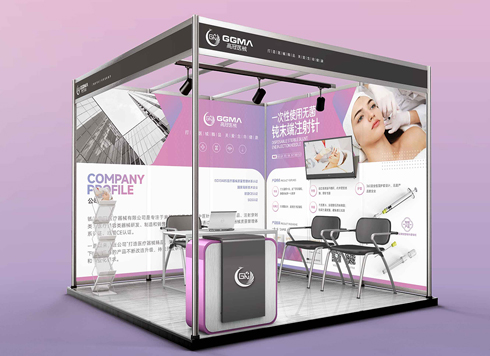 Design of Standard Exhibition Booth Posters for Beauty Instruments
Carefully designed a standard exhibition bo ...
-
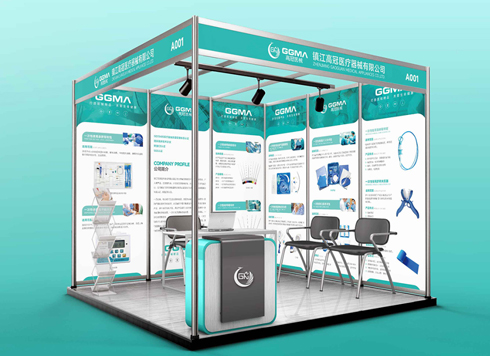 Design of Exhibition Posters for Medical Device Standards
XiYue is designing an exhibition booth post ...
-
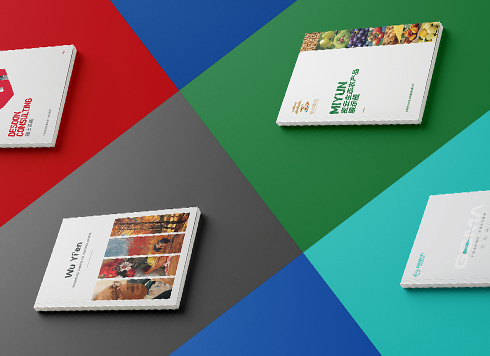 Collection of Brochure Design Cases in 2024 (Cover Series 02)
Our brochure design projects focus on diver ...
-
When a logo includes both Chinese and English brand names and looks cramped on small items, should you adjust type height or split the lockup first?
Date: Sep 21, 2026 Read: 8
-
White line along the fold after folding the cover: is the paper gsm too high, or was it folded without creasing?
Date: Sep 20, 2026 Read: 11
-
Same Packaging with Three Flavors, Only the Color Band and Flavor Text Changed: Is It Reasonable for a Design Company to Charge as New Work?
Date: Sep 19, 2026 Read: 15
-
A horizontal key visual needs to run on vertical screens, and the cropped vertical version keeps feeling off-center—which version should be reviewed first?
Date: Sep 18, 2026 Read: 23
-
After a magazine layout vendor switch, headers, page numbers, and captions still don’t line up—which file should acceptance review first?
Date: Sep 17, 2026 Read: 24