


Can't Finalize Your Packaging Design? What Should You Check for Acceptance?
Packaging design is not about drawing a beautiful shell, but a systematic solution that combines brand information, product protection, printing processes, and shelf performance. The core criterion for judging whether a packaging design is qualified is whether it can be stably implemented under real production conditions, not how nice the render looks. Based on project delivery practices in 2026, both the number of revisions and pricing have reference experience ranges: packaging design revisions typically go through 2 to 5 rounds, the basic version quote experience range is 3,000 to 8,000 RMB, and the full-solution version is 10,000 to 50,000 RMB.
Still Not Finalized After Seven or Eight Rounds? Where Do Revisions Get Stuck?
Frequent revisions are usually not because the designer is deliberately stalling, but because the early-stage constraints were not locked down. According to common delivery practices in 2026, the total number of revision rounds falls within an experience range of 2 to 5 rounds:
- Draft stage: 2 to 3 directions, choose one or merge.
- Revision stage: 2 to 3 rounds, each round focuses on one dimension (composition, color, text).
- Proofing stage: 1 to 2 rounds, used to confirm printed color, die-cutting, and material texture.
If more than 5 rounds still lead to starting over, it indicates that the requirements or process boundaries are not aligned. It is recommended to pause and sign a supplemental written confirmation. If you can provide competitor packaging, shelf photos, material preferences, and budget limits in the early stage, the number of revisions can usually be reduced to 2 to 3 rounds.
When giving feedback, say less 'make it more premium' and more 'this time only change the color, not the composition.' More effective revision comments should include: first, point out the specific location; second, describe the desired effect; third, provide reference examples. This way, each round of changes has a clear direction.
Why Do Quotes Differ Several-Fold? Delivery Differences Between Basic and Full-Solution Versions
Packaging design quotes range from a few thousand to tens of thousands, and the price difference mainly reflects the depth of deliverables. The typical ranges are as follows:
- Basic version: experience range 3,000 to 8,000 RMB, cycle 2 to 4 weeks, delivering visual renderings, source files, simple three-view drawings, suitable for e-commerce white-label brands and small-batch trial sales.
- Full-solution version: experience range 10,000 to 50,000 RMB, cycle 4 to 8 weeks, delivering structural drawings, die-plate drawings, process descriptions, proofing follow-up, and printing plant coordination, suitable for supermarkets or brand serialization.
The several-fold difference in quotes lies in the degree of responsibility for production. The labor and time costs of the full-solution version are concentrated in following proofs, color matching, paper selection, and even on-site monitoring of printing. In particular, note that some basic versions include 'free proofing' or 'revisions until satisfied.' Such promises either hide costs in later price increases or compress design depth. Normal projects only commit to a limited number of revision rounds, and additional rounds are charged separately as revision fees. It is safer to write this into the contract upfront.
When reviewing a quote, first check whether it includes die-plate drawings, process annotations, printing plant coordination, and the number of proofs. If these are absent, be cautious even if the price is low.
Three-Step Acceptance Check: Material, Color, and Files
Many designs look fine on the computer but show color deviation and die-cutting misalignment during proofing. Based on practices validated in delivery, checking in three steps during acceptance covers most common issues.
- First, check process parameters: whether dimensions, bleed, gripper edge, and die-cutting plate are consistent with the printing plant.
- Second, check color standards: main color values should have PANTONE or CMYK color swatch references, and request a proofing color report.
- Third, check file specifications: fonts embedded or outlined, image resolution meeting print requirements (typically 300 dpi or higher), and include a pre-press check report in the package.
Why this order? Process parameters determine whether it can be produced, color determines whether it matches the proof, and file specifications determine whether it can be output smoothly. When the material is changed from coated paper to kraft paper, the printed color becomes noticeably darker; white cardboard has high color reproduction, kraft paper is yellowish, and silver cardboard requires printing white ink overlaid with colors. Based on experience, the material sets the upper limit of color. When selecting paper, it is recommended to ask the designer for a sample of the same material.
Here is an additional on-site delivery experience. In a daily chemical project, the client decided to use laminated silver cardboard only two weeks before proofing, whereas all earlier color matching had been adjusted based on white cardboard. According to the experience range, changing materials requires reserving at least two weeks for color adjustment and proofing, but we only had three days. In the end, we barely made it by working overtime and compressing revision rounds, at the cost of giving up two backup options and the packaging texture being more conservative than initially expected. This lesson shows that materials and processes must be locked before design starts; otherwise, revision and proofing costs will multiply.
Common Pitfalls: Don't Wait Until Proofing to Regret
Based on delivery experience, packaging design pitfalls are concentrated in four areas:
- Only flat source files are provided, without die-plate drawings and process sheets, and the printing plant discovers the wrong die cutting when rechecking dimensions.
- Delivered using RGB color values, and the colors do not materialize in printing.
- All elements are centered and stacked, causing chaotic hierarchy of shelf information.
- Material is not discussed upfront, and after proofing it exceeds the budget, forcing a paper change and color rework.
To judge whether a designer is professional, besides the rendering, also check three points: whether standard color values (PANTONE or CMYK) are provided, whether process annotations (hot stamping, UV, lamination) are included, and whether die-plate drawings are supplied. Before signing, ask the other side to list the deliverables and specify whether proofing and printing plant coordination are included. If they are not clear about this, be cautious even if the quote is low.
When Can You Skip the Full-Solution Version?
Not all packaging requires a professional designer, and not all products are worth the full-solution version. If the product is mainly sold online, is a single-item trial, or is cost-sensitive, the basic version or even a template will suffice; if you plan to enter supermarkets, exhibitions, gift markets, or have brand serialization plans with intense competition from competitors on the same shelf, it is recommended to choose the full-solution version directly.
The boundary is here: packaging design solves recognition and trust, not formulation or operational issues; if the product itself has no selling point, even expensive packaging cannot support sales. According to delivery habits in 2026, when the budget is below around 3,000 RMB, designers struggle to conduct sufficient upfront research and process coordination, and most likely can only modify layouts based on templates. In addition, packaging structure design (such as die-cut windows and special-shaped boxes) and graphic visuals are two different capabilities; a graphic-only designer cannot handle structural innovation and needs additional engineering structural staff.
It should be noted that the above experience ranges mainly apply to general food, daily chemical, and fast-moving consumer goods packaging, and do not apply to highly regulated categories such as pharmaceuticals and infant food—where compliance review takes priority over visual design.
Common Questions
How Many Revisions Should Raise Concern?
Based on experience, if more than 5 rounds still result in major overhauls, it indicates that early requirements or process constraints are not aligned. It is recommended to pause and sign a supplemental written confirmation.
Who Is Mainly Responsible for Color Deviation in Proofing?
In most cases, the material and color standards were not locked in advance, or there may be a difference between the screen and print color gamut. First check the process sheet and color swatches; don't rush to ask the designer to redo it.
How to Choose Between Basic and Full-Solution Versions?
If you only need e-commerce images and cost control, choose the basic version; if you need to enter supermarkets or do serialization, choose the full-solution version that includes die-plate, process, and printing plant follow-up.
Is a Printing Plant Recommended by the Designer Reliable?
You can compare 2 to 3 plants, focusing on whether they offer proofing and on-press color approval. Plants that designers frequently collaborate with are better at color reproduction, but their prices may not be advantageous.
Action advice: First review your existing design drafts using the three-step acceptance check, and write material and color standards into the contract. For small-batch trial sales, the basic version is sufficient; for branding, an early full-solution investment is more cost-effective. If unsure, compare the other party's quote and delivery list item by item against the framework above.
-
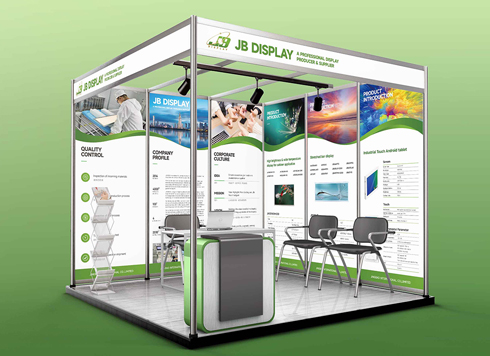 Booth Poster Design for Professional Monitor Product Suppliers
The standard exhibition booth poster projec ...
-
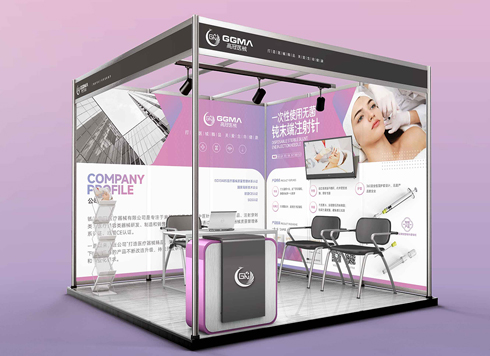 Design of Standard Exhibition Booth Posters for Beauty Instruments
Carefully designed a standard exhibition bo ...
-
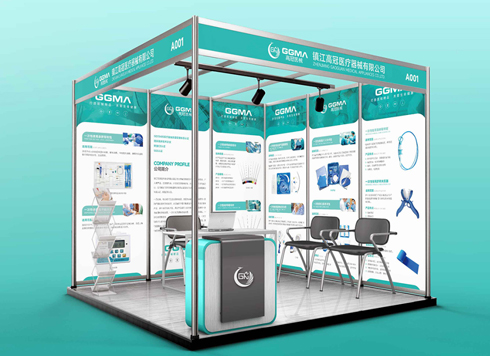 Design of Exhibition Posters for Medical Device Standards
XiYue is designing an exhibition booth post ...
-
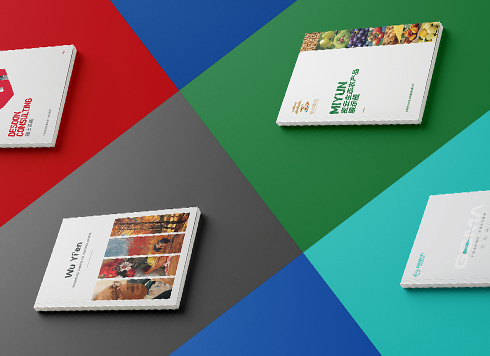 Collection of Brochure Design Cases in 2024 (Cover Series 02)
Our brochure design projects focus on diver ...
-
How Many Revisions Are Normal for Packaging Design? And Where Does the Money Go When Quotes Differ?
Date: Aug 16, 2026 Read: 65
-
When a pack front is packed with selling points, why does the shelf shopper pick up the less-wordy pack next to it?
Date: Oct 19, 2026 Read: 9
-
Same Gift Box Fine In-Store but Falls Apart in Express—Should the Insert Be Made in Two Channel-Specific Versions?
Date: Oct 7, 2026 Read: 24
-
If the ingredient list formula is tweaked and the client only sends a WeChat screenshot, can the design file go straight to print?
Date: Sep 25, 2026 Read: 30
-
If the printer provides the die, will packaging design still charge for structural drawings?
Date: Sep 13, 2026 Read: 39