



When checking print quality and paper binding, should you check ink color or page folding first?
When checking print quality and paper binding, first check ink color, then page folding order, and finally the binding method. Ink color deviation directly changes brand colors and image contrast; if the fold is reversed, the whole book is wasted. Based on 2026 project delivery practices, proofing confirmation is a key step to prevent batch accidents in advance, so acceptance must first look at these three areas.
Printing technology and paper binding: first clarify the relationship between proofing and mass production
Printing technology and paper binding are essentially the process of turning design files into physical products. Proofing uses digital machines or simple molds, while mass production uses large machines and formal die-cutting; the two differ in color, creasing, and registration accuracy. The acceptable tolerance is an experience range: spot color difference within ΔE 2-3, four-color within ΔE 3-5; paper texture and thickness can also cause a 1-2mm length deviation after folding. If within this range, accept the goods; if larger, rework.
- Proofing approval is not mass production approval; sign off on mass production parameters.
- Processes like foil stamping and UV are easy during proofing but affected by temperature and speed in mass production; ask about the factory's process window.
- Different binding methods limit the format and page count; for example, perfect binding with fewer than 50 pages tends to lose pages.
Three-step verification: ink color, folding, binding
I summarize the acceptance steps for printing technology and paper binding into a three-step method. First check ink color, then folding, and finally binding; the order cannot be reversed. If the ink color is wrong, plates may need to be remade; if folding is wrong, it can still be fixed; if binding is disassembled, it is hardest to rectify.
Step 1: Ink color — check color difference or ink volume?
Use a colorimeter for ink color verification, but combine it with visual inspection. Under standard lighting, check large color blocks for streaks and shade differences. If the project requirements are not high, four-color printing should be within ΔE 3; brand spot colors should be within ΔE 2. If beyond this range, plates must be remade and reprinted, with the cost borne by the print shop.
Step 2: Folding — follow reading order or imposition order?
Folding order must follow page numbering, not the large printing sheet order. A common mistake is the cover facing inward or page numbers in reverse. Especially for saddle stitching and perfect binding, a reversed fold ruins the entire signature. During acceptance, take a sample book, flip from the first page to the last, and check page continuity and paper grain direction.
Step 3: Binding — check page numbers and crease direction
Check three things for binding: whether the spine is centered, whether the sewing is loose, and whether the perfect binding is coming apart. Also, the crease direction should align with the paper grain; otherwise, pages may tear when turning. According to common practice in 2026, for perfect-bound books with more than 48 pages, thread-sewn binding is recommended to prevent page loss over time.
This division is because ink color belongs to color management, folding to imposition structure, and binding to finishing processes. They affect each other, but the nature of errors differs. Resolve color first, then structure, then durability, as rework costs increase in that order.
Delivery site: missing assets, revision counts, and printing process constraints
In projects, clients often provide only 300dpi JPGs, which pixelate when enlarged to billboard size. In such cases, I first redraw edges using vectorization, then confirm the minimum font size and line width with the printer. The cost is 2-3 extra revisions and 3-5 extra days. If not stated upfront, the print will be blurry, and the responsibility often falls on the designer. Following corporate project delivery practices, asset quality must be written into the order confirmation form, and acceptance standards follow that form.
For design revision counts, the typical industry experience is: concept drafts revised 3-4 times, detailed drafts revised 2-3 times, and post-proofing revisions 1-2 times. Beyond this range, either requirements changed or acceptance standards were not set properly.
Basic vs. full service: budget and timeline experience range
Printing technology and paper binding are often divided into basic and full service by complexity. The basic version uses four-color printing and perfect binding, with a 7-10 day timeline and lower cost; the full service adds spot color, foil stamping, and thread-sewn hardcover, with a 12-18 day timeline, and the cost is usually 2-3 times the basic version. Choose based on the use case.
- Basic: suitable for flyers, internal materials, and event brochures, with small quantities and quick updates.
- Full service: suitable for brand catalogs, corporate annual reports, and product manuals that need long-term display and place demands on paper feel and process details.
- If the budget is limited, prioritize ink color and binding; do not sacrifice paper weight for foil stamping.
Intended scenarios and boundaries
The above methods for printing technology and paper binding suit advertising posters, books and magazines, packaging boxes, and VI materials. They are not suitable purely for digital screen display, which does not require proofing; nor for one-time roll-up banners due to different materials. If the project is only a single large-format print, spot color is also not recommended—it adds cost with little visible effect. For books with fewer than 32 pages, perfect binding is sufficient; thread-sewing is unnecessary.
Frequently asked questions
Why is the proofing cost so much higher than the mass production cost?
Proofing is small-batch trial production, so unit cost is naturally higher; mass production dilutes unit cost, but plate and die fees are extra. Experience range: proofing cost is 5-10 times the per-unit mass production cost, depending on project scale.
How many revisions are normal? When should extra fees apply?
The typical industry revision counts: concept drafts 3-4 times, detailed drafts 2-3 times, and post-proofing 1-2 times. Beyond this range, either requirements changed or acceptance standards were not fixed, so it is reasonable to charge more or revise the contract.
The printed color looks very different from the screen—is that normal?
Yes. Screens use RGB light, while printing uses CMYK ink absorption; the color gamuts differ. Only the proof is authoritative. If a spot color is wildly off, use a colorimeter to measure ΔE; within 2 is acceptable.
How to choose paper? Is higher weight always better?
No. Heavier paper is stiffer but costs more; lighter paper suits books with many pages. For packaging boxes, choose card stock above 350g; for book interiors, use 80-120g. Also check that the paper texture matches the printing method.
Should I open and spot-check on delivery?
Yes, it is recommended. Check about 10% of the total, focusing on ink color, folding, and binding edges. If one defective copy is found, expand the sample to 50%, as the cost of a batch accident far exceeds the loss from sampling.
Action guideline: In the printing contract, specify the ink color tolerance range, folding order, and binding method, and attach the signed proof. On receipt, run through the three-step verification and identify issues on the spot. If the budget is low, use the basic version and prioritize ink color. For large-volume printing, consider sending a designer to the site for color inspection.
-
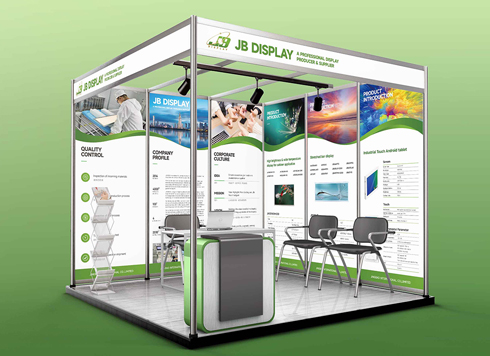 Booth Poster Design for Professional Monitor Product Suppliers
The standard exhibition booth poster projec ...
-
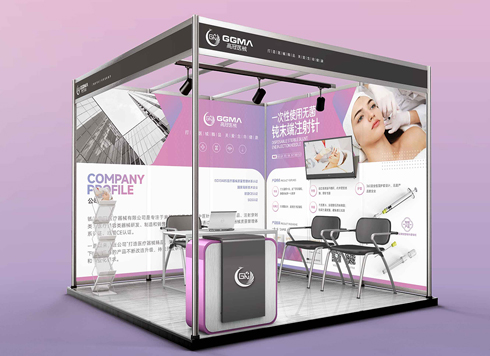 Design of Standard Exhibition Booth Posters for Beauty Instruments
Carefully designed a standard exhibition bo ...
-
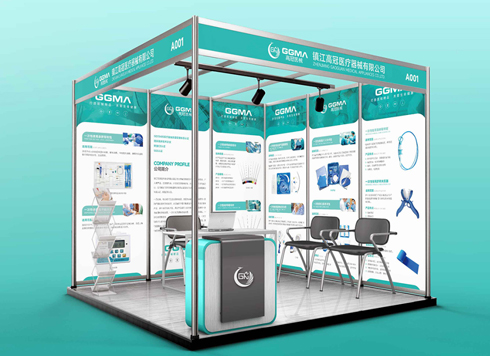 Design of Exhibition Posters for Medical Device Standards
XiYue is designing an exhibition booth post ...
-
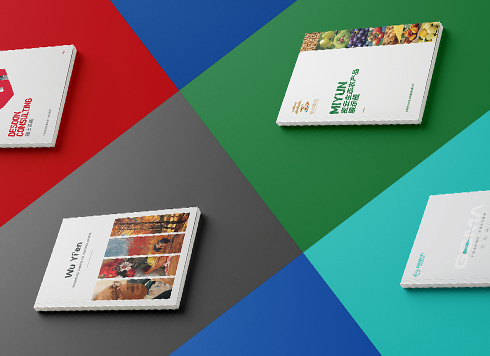 Collection of Brochure Design Cases in 2024 (Cover Series 02)
Our brochure design projects focus on diver ...
-
Can't Finalize Your Packaging Design? What Should You Check for Acceptance?
Date: Sep 1, 2026 Read: 38
-
Why Are Graphic Design First Drafts Rejected? Communication or Concept?
Date: Sep 1, 2026 Read: 37
-
Why do advertising poster design quotes vary so much? What's actually different in the deliverables?
Date: Aug 26, 2026 Read: 54
-
Book Layout Design Quotes Can Vary Severalfold, and After Five or Six Revisions You're Still Not Satisfied—Where's the Problem?
Date: Aug 19, 2026 Read: 52
-
How Many Revisions Are Normal for Packaging Design? And Where Does the Money Go When Quotes Differ?
Date: Aug 16, 2026 Read: 60