

Book Layout Design Quotes Can Vary Severalfold, and After Five or Six Revisions You're Still Not Satisfied—Where's the Problem?
Publication layout design is about establishing a repeatable page order for a book, magazine, or newspaper: fonts, font sizes, letter spacing, line spacing, type area, page numbers, headers, image positions, as well as bleed and safety margins required before printing. The standard for judging whether this order is qualified is not 'looking good' but that readers can enter reading without deliberately searching, and the print shop can directly produce plates from the file. According to common delivery practices in 2026, clients should accept the work from five dimensions: type area system, text hierarchy, image-text relationship, pre-press parameters, and cost control.
Why Is Layout Design Worth Paying for Separately?
No matter how good the content is, if the page structure is chaotic, readers can easily get lost. Layout design is like establishing traffic rules for text: titles, body text, and notes each have their own lane, and images appear in the correct positions. For publishers, a stable layout reduces editorial and communication costs and facilitates future reprints. According to our Xiyue Company's project delivery habits, once the layout system is set, typesetting the subsequent hundreds of pages is like 'filling in the blanks'—no repeated overhauls.
In the 2026 publishing environment, the same book often needs to be output simultaneously in print, e-book, and WeChat Reading formats. Layout design is not just static pages; it also considers readability across different screens. This part of the workload is easily underestimated and is one source of quote differences.
Why Can Quotes Differ Severalfold?
For a book of about 200 pages, layout design fees range from two to three thousand to twenty to thirty thousand yuan. The differences mainly lie in three areas: level of originality, amount of image processing, and pre-press support. Using ready-made templates versus building a type area system from scratch can result in a three-to-fivefold difference in work hours; for books with many images requiring retouching, each image needs separate handling; whether to do color calibration, imposition checks, and test proofs also directly affects whether rework is needed later.
- Basic version: Use fixed templates, adjust fonts and spacing. Per-page pricing is commonly in the 20-60 yuan range. Suitable for internal materials and academic papers with tight budgets.
- Custom version: Redesign the type area, title system, and image-text combination rules. Priced per project, a 200-page book ranges from 8,000 to 15,000 yuan, depending on image quantity and complexity.
- Full-service version: Includes font licensing, illustration production, print proofing, and process parameter correction. Costs can exceed 20,000 yuan, suitable for art books, picture books, and high-requirement publishing projects.
The boundaries between these three tiers are not absolute. For a pure text book with very few images, the custom version might be done for 6,000 yuan; for an art book with many images and strict alignment requirements, the full-service version could exceed 30,000 yuan. It is recommended to ask the designer for itemized quotes rather than just a total.
What Five Key Points Should You Watch During Delivery?
According to 2026 project delivery habits, it is recommended to use a 'five-dimension acceptance checklist' to check item by item. These five dimensions cover most reasons for rework and are easy for clients who don't know design to quickly get started.
- Is the type area consistent?: Are the left and right margins, headers, and page numbers consistent throughout? No chapter should have different margins, causing content to appear to 'dance' when turning pages.
- Is the text hierarchy clear?: Are the fonts and sizes for chapter titles, section titles, body text, and notes in a set? Do the size and spacing proportions conform to reading habits? Cover the images with your hand; you should still be able to distinguish primary from secondary text.
- Is the image-text relationship clear?: Are the whitespace and alignment between images and text consistent? Do figure titles and numbers correspond to cross-references in the text? Images should not overlap text or be too far from their corresponding text.
- Are pre-press parameters compliant?: Does the page size equal the finished size plus bleed? Is the resolution around 300dpi? Is the color mode CMYK? This directly determines whether the print shop can produce plates normally.
- Is cost controllable?: Are the page count, paper type, and binding method consistent with the quote? Beware of designs that increase page count or font size to achieve visual effects, causing printing and binding costs to rise.
These five points are equally important and all must be checked. Our approach at delivery is to turn each item into a table, spot-check page numbers page by page, spot-check title hierarchy chapter by chapter, and only pay the final balance once everything is checked off. The fifth item is often overlooked; many clients only focus on 'does it look good' and forget to calculate printing and binding costs.
Common Pitfalls, Applicability Boundaries, and a Lesson from the Field
Among common pitfalls, insufficient image materials is a frequent issue. In one academic book project, the client provided only the text manuscript, and all images were screenshots with resolution below 150dpi. We initially did the layout, but when the images were placed, they were blurry and we had to redo the typesetting. The cost was that the timeline stretched from three weeks to five weeks. After that, we adjusted the process: we collect a material list before starting work, let the client confirm all images are usable, then do the layout; for images with insufficient resolution, we require the client to replace or reshoot them. Better to spend two extra days upfront than to rework later. This is what we often call 'lock materials first, then lock layout.'
Other pitfalls include: ignoring paper texture—coated paper and offset paper require different letter spacing; not reserving bleed, causing text to be cut off; not confirming font licenses, making fonts unusable by the print shop. After we clearly added these checks to the delivery checklist, the revision rate dropped significantly.
Applicability boundaries should be clear: suitable for books and periodicals that need formal publication and external distribution, as well as brand manuals that require long-term printing; not suitable for internal documents, temporary reports, and personal notes—these can use Word styles or online templates. If you are only producing a PDF e-book without printing, you don't need to follow print standards; this saves costs.
If you are commissioning such a project, remember: both the timeline and the number of revisions have reasonable ranges. After the overall style is confirmed, it is typical to have 2-3 rounds of revisions; if it exceeds 5 rounds and changes are still being made, the issue is likely that requirements or materials haven't been locked. I suggest pausing to realign rather than continuing to burn time. According to common practice in 2026, layout design fees and printing fees are quoted separately, making it easier to see where the money goes.
FAQ
What is the usual fee for layout design?
Per-page pricing is commonly 20-60 yuan per page; for per-project pricing, a 200-page book is usually around 10,000 yuan, depending on originality and image quantity.
How many rounds of revision are normal?
After the overall style is confirmed, 2-3 rounds of local revisions are common; if it hasn't been finalized after 5 rounds, the issue is usually that requirements or materials aren't locked, and you should stop and realign.
What if materials are incomplete?
The designer should provide a material list in advance. Low-resolution images must be pointed out before work begins; otherwise, it's best to have a written agreement on rework responsibility.
How do you judge whether a layout is good?
Check whether it is clear, readable, and well-hierarchied in print, and whether it matches the approved sample, rather than only looking at the screen effect.
Do I need layout design if I only produce an e-book?
E-books usually use reflowable typesetting; fixed layout is mostly used for magazines, art books, and print materials. If there is no printing need, you can skip print standards.
Action guide: First clarify your book type, budget, and printing plans, then decide between basic, custom, or full-service versions. Before signing, ask the designer to list the material list and deliverables checklist. During acceptance, check item by item against the 'five-dimension acceptance checklist.' If you are only self-publishing or distributing to a small circle, there is no need to spend a high price on layout. The above prices and revision counts are experience ranges; actual figures depend on project communication.
-
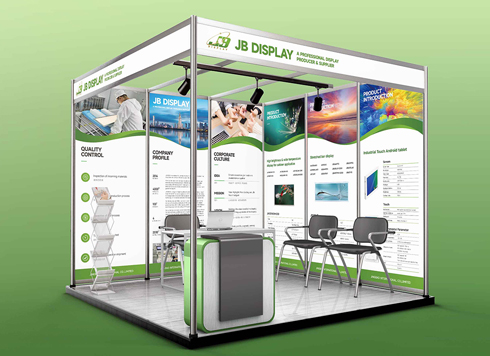 Booth Poster Design for Professional Monitor Product Suppliers
The standard exhibition booth poster projec ...
-
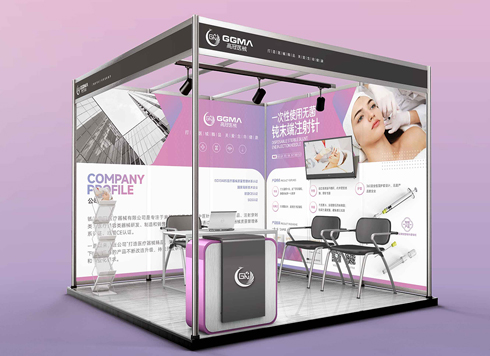 Design of Standard Exhibition Booth Posters for Beauty Instruments
Carefully designed a standard exhibition bo ...
-
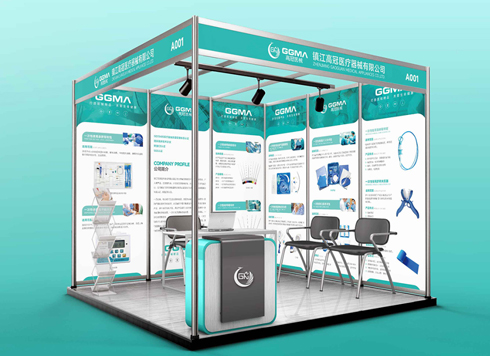 Design of Exhibition Posters for Medical Device Standards
XiYue is designing an exhibition booth post ...
-
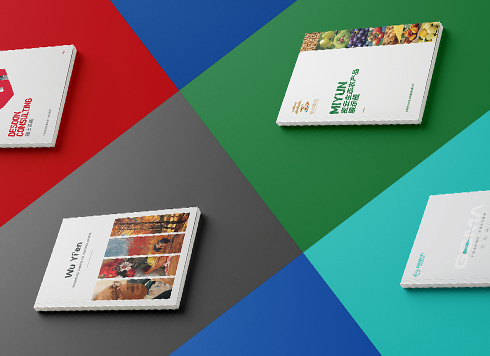 Collection of Brochure Design Cases in 2024 (Cover Series 02)
Our brochure design projects focus on diver ...
-
Is Template Layout Enough for Publication Design? What's the Difference from a Designer?
Date: Aug 31, 2026 Read: 54
-
How to Approach Publication Layout Design: The Complete Workflow from Goals to Delivery and Acceptance Criteria
Date: Aug 8, 2026 Read: 69
-
Single-column text with two-column figures: is a missing column-grid rule behind reflowing text every time a figure moves?
Date: Oct 11, 2026 Read: 11
-
For a book series, if you create a master first and then apply it, why does the layout still drift when someone else takes over?
Date: Oct 5, 2026 Read: 15
-
Body text one size smaller and fewer signatures: why do trial readers say they can't get into it?
Date: Sep 29, 2026 Read: 27