



Graphic Design Style Keeps Changing: Is It the Designer or Unclear Requirements?
When graphic design styles keep changing, in most cases it is not that the designer is incompetent, but that the client's expression of “style” is still stuck at vague feelings like “high-end, atmospheric, and textured.” Based on 2026 project delivery practices, it is recommended to break style into four variables—color, typography, whitespace, and image-text ratio—so both sides can reference the same language. This usually reduces rework by two to three rounds at the initial draft stage.
Why does style revision always oscillate between “almost right” and “not right”?
In graphic design delivery, “style” is the most ambiguous term. The client describes brand temperament, while the designer deconstructs specific variables like color, typography, and composition. When the two sides speak different languages, revision requests like “it feels a bit off” arise.
Based on project delivery experience, repeated style revisions typically have three sources: first, reference images provide only a whole without specifics; second, adjectives like “premium” or “grand” are not translated into executable visual rules; third, process confirmation only revolves around the overall draft without aligning module by module. Specifically:
- Reference images are given as a single collage without explaining which part is needed—for example, the client provides a pile of posters but doesn't specify which one's color scheme to follow.
- Vague defining words: “tech feel” could mean dark blue and sharp lines, or gradient light effects—each side holds a different interpretation.
- Confirmation rhythm is wrong: waiting until the entire design is done to say “the tone is off,” by which time the cost of changes has already increased.
Here is a real case: in a recent brand asset project, the client requested a first draft within 3 days, the budget was in the typical range for small-to-medium projects, and the team had only one lead designer. The client simply wrote “premium feel” without any reference images. We first spent half an hour asking the client to fill out an “opposite-word pair” form, then asked them to pick two from our curated list of 10 style options and mark which color scheme or layout they wanted to borrow. As a result, the first draft was approved in one pass. Based on our experience range in similar projects, requirements with insufficient confirmation usually require 2 to 3 rounds of rework, each taking half a day to a full day; this time we saved approximately 1 to 2 working days.
Qualified at this step: at least be able to break a reference image into three specific variables and have the client confirm before the first draft.
How to tell whether revision issues stem from designer capability or misaligned requirement expression?
A simple method is to see whether “the same requirement, when given to different designers, produces consistently different styles.” If the client still says “it's not right” after switching designers, the problem is likely the requirement itself is too vague; if a different designer hits the mark on the first try, the issue may lie in the designer's ability to distill information.
Another dimension is whether the revision feedback is specific. When the client says “make it brighter” but cannot articulate how much brighter, that is a requirement expression issue; when the designer repeatedly ignores confirmed colors, that is an execution issue. We can compare with two sets of phenomena:
- Unclear requirements: revision comments are all “it feels off” or “make it more refined”; the client cannot answer specific questions like “should it be cooler or warmer?” or “should it be fuller or more whitespace?”
- Designer issue: the requirement clearly states “dark blue background, white text, 30% whitespace,” but the draft uses gradient purple and decorative fonts; even after reminders, the designer still does not follow the spec.
In projects, I habitually ask clients to fill out “opposite-word pairs” on the requirement form, such as “cool or warm colors” or “full layout or more whitespace,” which quickly exposes information gaps. Once this step is done, it is usually possible to pinpoint where the bulk of revisions originate.
The Four-Step Style Alignment Method: Turn “Feelings” into an Acceptable Checklist
Combining years of website building and design implementation experience, we break style alignment into four steps to calibrate key information before delivering the first draft. It is not complicated but can significantly reduce style-related rework.
The order of these four steps matters: first deconstruct reference images, then define adjectives, then set acceptance dimensions, and finally confirm in batches. Each step has corresponding points to note, detailed below:
- Deconstruct reference images: break each reference image into five specifics—“color palette, typography, composition, image style, whitespace”—and mark “which specific element is wanted.” Note: do not just send a collage; point out the target area.
- Define adjective boundaries: convert words like “premium, grand, vibrant” into binary or degree descriptions such as “cool/warm colors, bright/dark, full layout/whitespace, modern/retro.” Note: avoid talking past each other in this step.
- Agree on acceptance dimensions: pre-determine that the first draft will be judged on four dimensions—“color tone, typography, information hierarchy, emotional feel”—and provide an acceptable description for each dimension. Note: acceptance dimensions should be written into the delivery checklist to avoid adding new dimensions midway.
- Confirm in batches: initially deliver only the color scheme and key homepage sections; after confirmation, proceed to the full design. Note: do not deliver everything at once, as rework costs are high.
Qualified at this step: revisions after the first draft do not exceed two rounds, and feedback can be pinned to specific elements. If it is still vague after two rounds, the issue is not the method but the requirement owner has not clarified their thinking—go back to step two.
These Common Pitfalls Will Double Your Revision Count
Some pitfalls seem minor but directly affect the number of revisions. The following categories remain highly frequent in 2026 project collaboration.
- Saying “I want something with a bit of design flair” verbally without any reference image—the designer can only guess based on experience and is likely to go off track. Qualified approach: provide at least two or three style options.
- Reference images are found online by the client but without specifying what to borrow—the designer may focus on the wrong elements. Qualified approach: use arrows or text to mark “borrow the color here” or “borrow the layout here.”
- Frequently changing reference images midway, causing style baseline drift—mixing two sources in one visual system naturally leads to instability. Qualified approach: unify the reference image library and document any changes.
- Not giving feedback at the first-draft stage and only saying “the overall style is wrong” after the full layout is done—change costs are high and blame is easily passed. Qualified approach: confirm in phases according to the acceptance dimensions in step three.
The common thread in these pitfalls: treating “style” as a holistic feeling in conversation, rather than aligning the separable variables one by one. Based on 2026 project delivery practices, writing the reference images, adjectives, and acceptance dimensions into a document—even just one page—will noticeably reduce the number of revisions. In typical projects, spending 15 to 30 minutes upfront on style confirmation usually saves an average of 2 to 3 days of rework time.
Applicable and Inapplicable Boundaries: Which Projects Should Use This Method
This layer-by-layer confirmation method is suitable for brand materials, brochures, website homepages, and other projects requiring stable style, especially those with multiple decision-makers. It reduces rework caused by internal opinion divergence.
It is not suitable for all projects. For example, one-off promotional posters, projects with extremely free style requirements, or projects where the designer is given full creative freedom—over-deconstruction can constrain creativity. We list the applicable and inapplicable cases separately:
- Suitable: brand VI, product packaging, corporate brochures, website page design, event key visuals; projects with two or more decision-makers; clients who have expectations but cannot articulate them clearly.
- Not suitable: single social media graphics, internal functional diagrams, free creations fully led by the designer; clients who explicitly say “you decide” and are highly accepting.
From a timeline and cost perspective, different projects have verifiable typical ranges: the style confirmation stage for brand VI and brochures usually accounts for 15%-25% of the entire project cycle, corresponding to about 1 to 2 working days; for single posters or social graphics, only 10 to 20 minutes of verbal confirmation is needed, accounting for less than 10% of the cycle. Rework frequency also differs: brand projects with multiple decision-makers commonly require 2 to 3 rounds of rework, while single-person quick projects typically require 1 round. If the project cycle is only two days, it is recommended to simplify to “deconstruct reference images + define adjectives” only, without pursuing a full checklist.
FAQ
Should I change the designer if the style keeps changing?
First confirm whether requirements are aligned. If the client still says “not right” after switching designers, the problem is likely in the requirement description; if the new designer passes on the first try, then consider the previous designer's extraction ability.
The client only says “it feels off”—how should I ask follow-up questions?
Ask the client to point at the reference image and say “I want the color here” or “not this font,” or choose a direction from “cool or warm colors, full layout or more whitespace.” This is more effective than asking “what is wrong?”
There are many reference styles; how do I avoid a collage feel?
Select three core reference images, prioritize borrowing the color tone from one and the layout from another, rather than taking a bit from each. Use the acceptance dimensions in the four-step method to make trade-offs.
Is it necessary to create a style confirmation checklist for small projects?
For single posters or internal publications, you can simplify, but at least confirm reference images and opposite-word pairs. Otherwise, the time spent on two or three rounds of revisions may exceed the time spent on the checklist.
The designer keeps following the reference image, but the client is unsatisfied—where is the problem?
Common causes are inconsistent reference images or the client not indicating which part to borrow. It is recommended to annotate the specific part of the reference image with text and provide a one-line description of “what is wanted and not wanted.”
Before rushing to change designers or revise repeatedly, go through the four steps above to verify reference images and adjectives, then determine where the problem lies. If the project has only one or two visual elements, a simple verbal confirmation is enough; for brand-level materials, it is recommended to include acceptance dimensions in the contract appendix to reduce dispute costs. Projects suitable for the above methods typically have two or more decision-makers or clients with unclear style expectations; for single-image, urgent, or free-creation projects, applying the full method may increase communication costs.
-
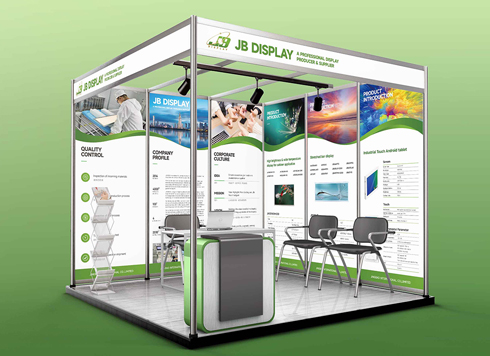 Booth Poster Design for Professional Monitor Product Suppliers
The standard exhibition booth poster projec ...
-
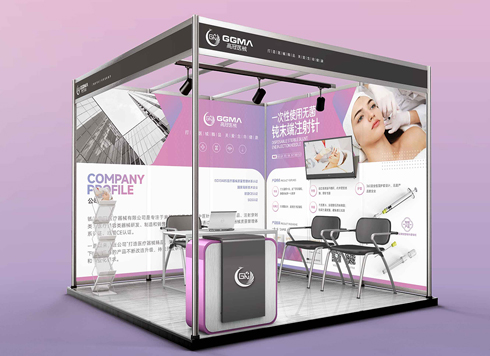 Design of Standard Exhibition Booth Posters for Beauty Instruments
Carefully designed a standard exhibition bo ...
-
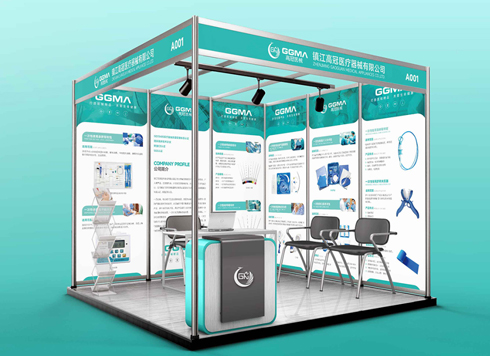 Design of Exhibition Posters for Medical Device Standards
XiYue is designing an exhibition booth post ...
-
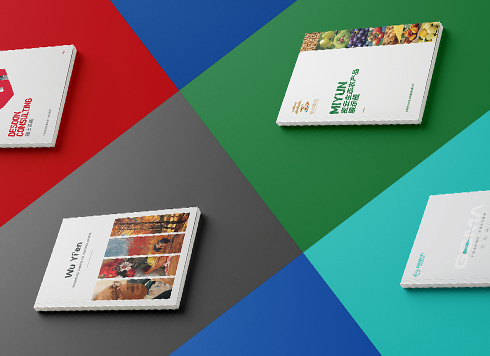 Collection of Brochure Design Cases in 2024 (Cover Series 02)
Our brochure design projects focus on diver ...
-
Why Do Graphic Design Projects Require Constant Revisions and Rework? The Problem Usually Lies in Which Stage?
Date: Aug 11, 2026 Read: 58
-
What Does "Premium Feel" Really Mean When Clients Say It in Graphic Design?
Date: Aug 23, 2026 Read: 56
-
What to Discuss in Graphic Design Requirement Confirmation? Don't Just Send Reference Images
Date: Aug 12, 2026 Read: 56
-
How to Run a Graphic Design Project: A Guide to Process, Pricing, and Acceptance
Date: Aug 10, 2026 Read: 58
-
How to Design Ads/Posters: A Practical Workflow from Needs Analysis to Delivery Acceptance
Date: Aug 9, 2026 Read: 61