



Brand Logo Design: What's the Difference Between Basic Version and Full VI? Which to Prioritize on a Budget?
Brand logo design is not just about drawing a graphic; it is the core carrier of brand identity. To judge whether a logo is qualified, look at whether it remains clear, recognizable, and extensible across different sizes, media, and printing processes. Based on 2026 project delivery practices, clients should accept not only source files but also specifications such as standard colors, typography, combinations, and non-applicable scenarios. On a limited budget, starting with a basic version of the logo is feasible; but if the brand plans to expand into printing, packaging, retail stores, and other scenarios, the lack of VI standards will lead to repeated rework.
What Exactly Does Brand Logo Design Deliver? Distinguish Basic Version vs. Full VI First
The basic version and full VI are not a "low-end" vs. "high-end" relationship; they apply to different stages. The basic version answers "who I am," while full VI answers "what I look like in various contexts." According to corporate project delivery practices, a basic version typically includes the logo source file, standard color values, standard fonts, and a few combination guidelines. Full VI extends to application scenarios such as business cards, letterheads, packaging, and advertising. The differences are directly reflected in timeline, cost, and workload.
- Content: The basic version is the core logo specification; the full version is the application system.
- Timeline: Basic version typically takes 2–4 weeks; full VI typically takes 6–10 weeks (experience range).
- Cost: Basic version: typically 5k–20k; full VI: typically 20k–80k (experience range, depending on design team and region).
- Suitability: The basic version suits startups with limited budgets and no immediate multi-channel release; full VI suits brands planning franchise, chain, multi-product lines, or print advertising.
How to Evaluate Logo Design? Use a Four-Dimensional Acceptance Framework
The four-dimensional acceptance framework is distilled from project delivery practices, covering recognizability, applicability, extensibility, and copyright integrity. Why this division? Because the first three directly determine whether the logo is usable, and the fourth determines whether you can use it with peace of mind. During acceptance, go through each item and fix issues on the spot, which is more effective than arguing later.
- Recognizability: Still identifiable at 16 pixels, and the black-and-white version remains distinguishable without color.
- Applicability: Clear across different media such as business cards, packaging, and outdoor advertising; changes in printing processes (e.g., foil stamping, silk screening) do not create ambiguity.
- Extensibility: Supports applications like motion, symbolization, or partial enlargement without falling apart. For example, a logo with only complex gradients fails in monochrome printing.
- Copyright integrity: Confirm font rights, graphic originality, or commercial licenses. The client should receive editable source files (AI or EPS) and font usage instructions.
What counts as qualified? Pay only after all four items pass. If the designer refuses to provide source files or cannot clarify font licensing, be wary.
How Many Logo Revisions Are Normal? Negotiating Price and Timeline
Based on project delivery experience, the number of revisions for logo design is usually specified in the contract. A common practice: provide 2–3 directions in the initial draft, then include 2–3 rounds of adjustments after selecting a direction; additional rounds beyond that are billed per round. The total number of revisions typically ranges between 3 and 6 drafts (experience range). If the requirement description is only one sentence, subsequent revisions will almost certainly exceed the budget.
In projects handled by Xiyue Company, it is common for a client to give a vague instruction like "should have an international feel." After the designer presents three initial drafts, the client starts nitpicking fonts and colors, asking to start over each time. We once had a client where, due to incomplete brand story and competitive reference materials, the first direction was wrong. This led to five or six drafts within three weeks, the delivery timeline stretched from four to seven weeks, and the budget increased by 10–20%. Since then, we have changed our approach: we first administer a questionnaire and reference samples, turning vague directions into clear options before starting design work.
What Constraints Do Printing Processes Impose on Logo Design?
A logo cannot be evaluated only on screen. Processes like foil stamping, silk screening, and engraving impose requirements on line thickness and graphic complexity. For example, a 0.1mm thin line breaks during foil stamping, and large gradients cannot be reproduced in silk screening. Therefore, the primary printing materials must be confirmed during the logo design phase. According to 2026 project delivery practices, designers have an obligation to remind clients of these process limitations.
- Monochrome printing: The logo needs a monochrome version that does not rely on color for communication.
- Foil stamping / debossing: The graphic path should be simple; line thickness is recommended to be no less than 0.2mm (experience value), otherwise the output will be blurry.
- Paper material: Logos on dark paper need a whitespace or reversed version, otherwise contrast is insufficient.
In projects, it is common for clients to request logo line adjustments after business card proofing, but by then the revision period has often passed. The correct approach is to ask the designer to provide a "process compatibility checklist" before finalizing, or at least confirm common usage scenarios.
What to Prepare Before Commissioning? Consequences of Incomplete Materials
Incomplete materials are a common cause of delays in logo design projects. Clients should at least prepare business descriptions, target user profiles, competitor logo references, existing application scenarios (business cards, signs, packaging, etc.), and brand story or keywords. If foreign-language fonts are involved, commercial licenses must also be confirmed.
- Brand story: Determines the tone and direction; without it, designers can only guess.
- Competitor references: Let the designer know which graphics to avoid to prevent similarities.
- Application scenarios: Whether it is online-only or requires printing, engraving, or foil stamping. This affects line thickness and color count.
- Font licensing: Many designers use fonts with only personal licenses; commercial use requires a separate purchase.
If materials are incomplete, the designer will work on default assumptions, and rework is almost inevitable. Therefore, the proper practice is for the client to go through the materials in a checklist before confirming the contract, filling in any gaps to avoid disputes later.
Applicable Scenarios and Boundaries: What Projects Don't Need Full VI?
The basic version logo suits small teams with limited budgets that only use it on business cards and social media accounts. Full VI suits brands with franchise, chain stores, or needing unified packaging and displays. If it is just a one-time event poster, hiring a standalone poster designer is sufficient; full VI is unnecessary.
- Basic version suitable for: Registered companies, e-commerce stores, personal brands, early-stage products.
- Full VI suitable for: Chain retail, restaurant brands, institutions needing a unified image across multiple media.
- No VI needed: One-off projects, internal temporary activities, social media avatars without long-term output.
The boundary is: if the brand has no clear plan for offline materials, investing in full VI first wastes the budget; but if opening branches or entering channels is confirmed, supplementing VI after the basic version may require redoing the logo due to poor extensibility. So during the logo phase, ask: "Can this graphic be separated into monochrome, can it be framed, and can it be reduced to 16 pixels?"
Frequently Asked Questions
What is a reasonable timeline for logo design?
A simple basic version typically takes 2–4 weeks; full VI typically takes 6–10 weeks (experience range). With clear requirements and complete materials, it can be shortened to the lower bound; otherwise, it is easy to exceed the schedule.
Why do quotes range from a few thousand to tens of thousands?
The difference lies in upfront strategy, originality complexity, application extensibility, and revision rounds. A few thousand typically covers the graphic itself; over ten thousand includes standardized drafting, multi-scenario applications, and font licensing sorting.
Is it okay to have only the logo and not buy the source file?
Not recommended. Without the source file, future printing, billboards, and resizing require outsourcing redrawing, which costs more. Normal delivery should include AI or EPS source files.
Are there limits on the number of revisions?
Formal projects specify revision rounds in the contract. Typically, after the initial direction is confirmed, 2–3 rounds of adjustments are included; additional rounds are charged per round. Quotes without limits carry higher risk later.
How to avoid Logo color mismatch in print?
First confirm the printing method and material, then ask the designer for spot color or CMYK values and verify them in proofs. Screen colors and ink colors inherently differ; standardizing color values is the first step.
In terms of action, first list your requirements and confirm the deliverables of the basic version and full VI item by item; then accept based on the four-dimensional framework. If the brand only has lightweight online use, the basic version is sufficient. Once printing, packaging, or chain channels are involved, supplement VI standards early; otherwise, subsequent rework costs more. According to 2026 project delivery practices, putting revision rounds, source files, and font licensing in writing is more reliable than verbal agreements.
-
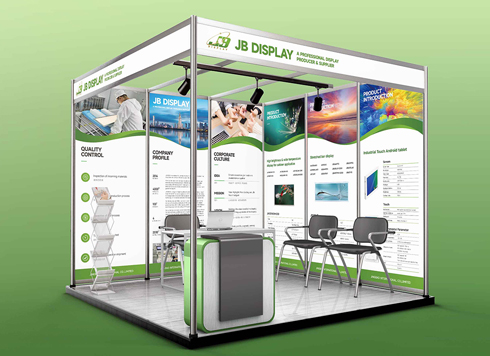 Booth Poster Design for Professional Monitor Product Suppliers
The standard exhibition booth poster projec ...
-
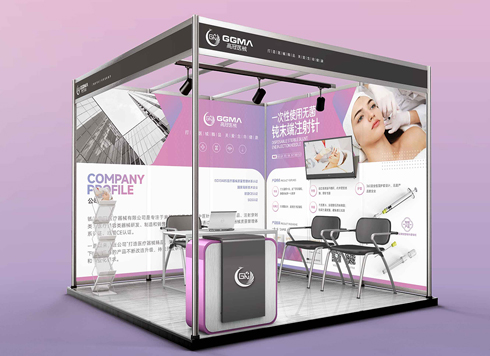 Design of Standard Exhibition Booth Posters for Beauty Instruments
Carefully designed a standard exhibition bo ...
-
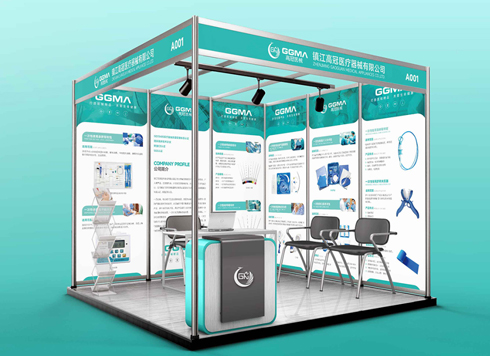 Design of Exhibition Posters for Medical Device Standards
XiYue is designing an exhibition booth post ...
-
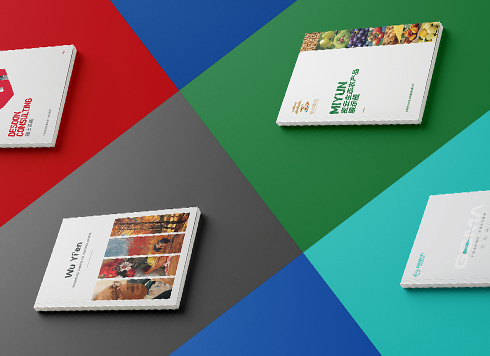 Collection of Brochure Design Cases in 2024 (Cover Series 02)
Our brochure design projects focus on diver ...
-
Brand Logo Design Quotes Range from Thousands to Tens of Thousands—What Does the Extra Money Actually Buy?
Date: Aug 29, 2026 Read: 40
-
The printer says spine thickness has to wait for the white sample, but the design draft is pressing for the cover—which number should we set first?
Date: Oct 14, 2026 Read: 3
-
On a round bottle label, the front text looks straight but the sides bunch up—should it have been laid out to the bottle curve from the start?
Date: Oct 13, 2026 Read: 5
-
Client sent phone-shot product photos for an A1 lightbox poster: ask for the original files first or schedule a reshoot first?
Date: Oct 12, 2026 Read: 7
-
Single-column text with two-column figures: is a missing column-grid rule behind reflowing text every time a figure moves?
Date: Oct 11, 2026 Read: 11