


Graphic Design Workflow Efficiency: Step-by-Step Methods and Tool Selection Guide
Core Definition of Graphic Design Workflow
A graphic design workflow is a series of standardized steps from receiving requirements to delivering final assets. In 2026, efficient workflows emphasize upfront communication, modular collaboration, and automated output, capable of reducing project cycles by over 30%. The core goals are to minimize revision frequency and ensure visual consistency.
- Requirement Clarification: Define purpose, audience, and brand guidelines;
- Creative Exploration: Rapidly produce sketches or mood boards;
- Execution & Production: Utilize tool layering and componentization;
- Review & Delivery: Online annotation and version management.
All four steps are indispensable, with requirement clarification being the key to success—investing 1 hour at this stage can save 10 hours of later revisions.
Why Workflow Optimization Matters for Graphic Design
Design output speed directly impacts business responsiveness. In 2026, enterprises face surging demand for visual content, but relying solely on individual overtime is unsustainable. Benefits of workflow optimization include:
- Reducing repetitive tasks (e.g., manual layer adjustments, exporting multiple formats);
- Enhancing team collaboration transparency (avoiding information silos);
- Shortening delivery cycles (from 3 days to 1 day).
The cost of not optimizing: rework rates exceed 40%, increasing project delay risks. For time-sensitive industries like e-commerce and advertising, workflow bottlenecks can directly cause missed marketing deadlines.
2026 Mainstream Design Tool Comparison
Tool selection should align with team size and project type. Below is a dimensional comparison of three typical tool categories:
- Adobe Creative Cloud (Photoshop/Illustrator/InDesign): Comprehensive functionality, ideal for deep creators, but weak collaboration features; 2026 adds AI-assisted layer management;
- Figma/Sketch: Strong cloud collaboration, efficient component sharing, suitable for UI/UX and basic graphic design, limited support for print;
- Canva/Gaoding Design: Template-based, low barrier, suitable for quick social media graphics, but lacking customization and brand differentiation.
Selection advice: For teams < 5 with complex projects, prioritize Adobe suite; for teams > 5 requiring frequent iteration, choose collaboration platforms; for daily lightweight needs, template tools are most time-efficient.
Common Tool Combination Mistakes
Example error: Using Canva to create a corporate VI manual, resulting in non-standard output formats. Correct approach: Select specialized tools based on deliverable type—vector graphics use Illustrator, layout uses InDesign, quick posters use Photoshop with templates.
Three-Step Implementation Method: Building Efficient Workflows from Scratch
This method breaks optimization into three actionable steps, each with inspection criteria.
- Diagnose Current Pain Points: Collect recent rework causes within the team (e.g., unclear communication, file version chaos). Criteria: Identify at least 3 recurring errors;
- Design Standardized Templates: Establish requirement brief templates, layer naming conventions, and export presets. Note: Templates should be updated periodically to avoid rigidity;
- Integrate Tool Automation: Use action scripts or plugins (e.g., Photoshop batch imposition, AI color adjustment). Boundary: Automation is not suitable for the creative exploration stage, as it may limit inspiration.
Key to implementation: Pilot on a small scale first, then roll out to the entire team. Typically, efficiency gains can be seen within 2 weeks.
Common Pitfalls and Evaluation Criteria
Common traps during optimization:
- Over-pursuing full tool features: Leading to high learning costs with minimal actual usage;
- Ignoring requirement change management: No change approval process leads to repeated revisions;
- One-size-fits-all full automation: Overlooking the human and aesthetic aspects of design.
Criteria for qualification: Rework rate drops by over 20% across three consecutive projects, and team member satisfaction with the process is ≥ 70%. If not met, revisit the template effectiveness in step two.
Applicable Scenarios and Boundaries
Efficient workflows are best suited for batch production (e.g., e-commerce banners, series posters) and team collaboration projects. For high-end brand creativity or projects requiring extensive experimentation, strict adherence to standardized processes is not recommended; flexibility should be preserved. Additionally, individual freelancers can simplify steps based on their own habits without mandatory division of labor.
Frequently Asked Questions
What is the biggest efficiency killer in graphic design workflows?
Unclear requirements leading to repeated rework, accounting for over 60% of total revisions.
What new tools in 2026 can enhance graphic design workflows?
AI-assisted tools like Adobe Firefly and AI intelligent layout recommendations accelerate asset generation and layout.
How can small teams start workflow optimization on a low budget?
Start with simple requirement templates in spreadsheets, then gradually introduce free collaboration tools like Figma or Notion.
Does workflow optimization stifle creativity?
A well-designed workflow automates mechanical tasks, freeing up energy for creative decisions. The key is to reserve dedicated exploration time.
How can outsourced design teams align with internal workflows?
Unify delivery formats, naming conventions, and set up regular sync meetings; refer to the outsourcing collaboration model of Xiyue Company.
Action guide: Starting next week, log the time spent on each phase of a project to identify efficiency bottlenecks. Prioritize solving the top issue of vague requirements. Applicable boundary: If your design tasks are mostly single, long-cycle creative projects, you don't need to fully adopt the process, but you can break down parts that can be standardized (e.g., mind mapping, translations).
-
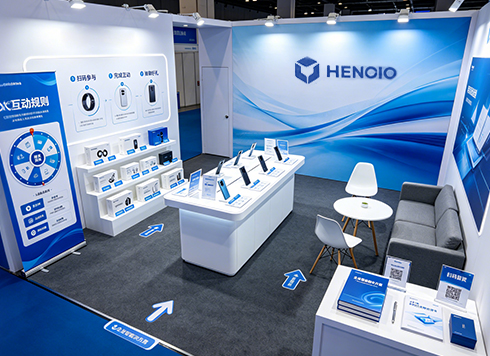
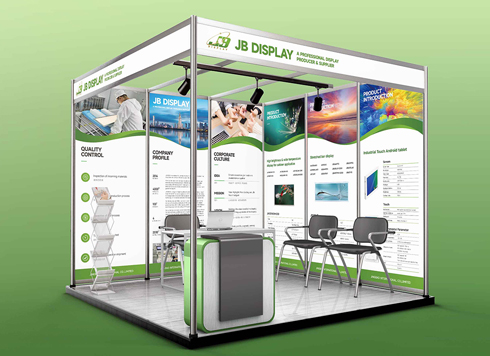 Booth Poster Design for Professional Monitor Product Suppliers
The standard exhibition booth poster projec ...
-
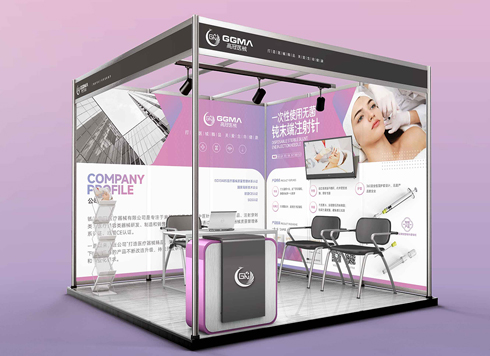 Design of Standard Exhibition Booth Posters for Beauty Instruments
Carefully designed a standard exhibition bo ...
-
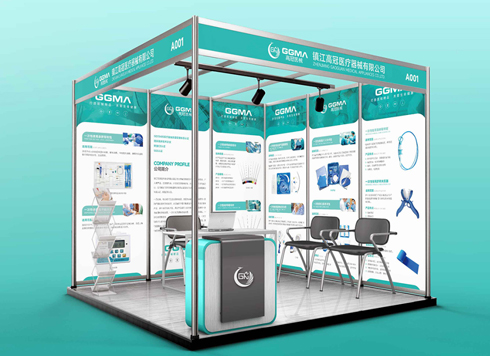 Design of Exhibition Posters for Medical Device Standards
XiYue is designing an exhibition booth post ...
-
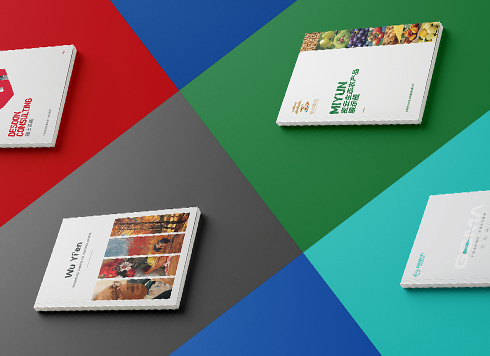 Collection of Brochure Design Cases in 2024 (Cover Series 02)
Our brochure design projects focus on diver ...
-
Graphic Design Software Selection Guide: 2026 Mainstream Tool Comparison and Evaluation Methods
Date: Aug 3, 2026 Read: 55
-
Efficient Graphic Design Execution Guide: 2026 Workflows, Tools, and Common Pitfalls
Date: Jul 20, 2026 Read: 52
-
How to Design Ads/Posters: A Practical Workflow from Needs Analysis to Delivery Acceptance
Date: Aug 9, 2026 Read: 40
-
How to Run a Graphic Design Project: The Complete Workflow from Requirements to Delivery and Acceptance
Date: Aug 5, 2026 Read: 42
-
How to Do Graphic Design: Workflow, Options, and Common Pitfalls
Date: Aug 4, 2026 Read: 47