


Efficient Graphic Design Execution Guide: 2026 Workflows, Tools, and Common Pitfalls
Core Value and Challenges of Graphic Design in 2026
In 2026, graphic design is no longer just visual beautification but the hub of brand communication. Data shows that 80% of user touchpoints rely on graphic materials, but homogenization and the proliferation of AI generation tools make truly professional design even more scarce. The core value lies in: through systematic process control, asset management, and tool synergy, compressing single project time from days to hours while ensuring output consistency. Challenges come from three aspects: first, AI tools (e.g., Midjourney, Canva AI) lower the entry barrier, but high-quality works still require human review; second, multi-platform adaptation (social, website, print) complicates version management; third, copyright risks increase with automated generation. A common practice in 2026 is to break down design into three stages: strategy, execution, and review, each introducing specific tools to reduce rework.
Four Key Steps for Graphic Design Project Execution
A reusable execution framework avoids starting from scratch each time. Based on 2026 project delivery practices, the recommended "four-step execution method" is: Analysis - Planning - Execution - Verification. The logic behind these four steps is: clarify requirements before starting, which can reduce later modifications by 70%. Each step focuses on different aspects.
- Requirement Analysis: Clarify purpose, audience, and channels with stakeholders. For example, social media graphics and print brochures have completely different dimensions and color modes. Note: Neglecting this step often leads to full rework later; about 45% of rework cases in 2026 stem from unclear requirements.
- Visual Planning: Develop a style guide including color palette, fonts, and key element reuse specifications. Using standardized components (e.g., corporate color swatches, icon libraries) improves efficiency. If possible, build a shared component library using Figma or Adobe XD.
- Asset Execution: Combine AI tools to generate drafts (e.g., use Midjourney for concept art), then refine with professional software. Note: AI-generated assets need manual inspection for details (e.g., fingers, text correctness) and to avoid copyright disputes.
- Output Verification: Check format, resolution, and color mode based on different channels. For example, use CMYK for print and RGB for screens. It is recommended to validate with PDF/X standards before output; most print shops mandate this standard in 2026.
Tool Selection: Traditional Design Software vs AI-Assisted Solutions Comparison
Choosing tools requires weighing cost, learning curve, and output controllability. Below is a structured comparison of mainstream solutions in 2026, suitable for small to medium teams and independent designers.
- Cost: Traditional software (e.g., Adobe Creative Cloud) annual fee ~3000-8000 RMB; AI-assisted tools (e.g., Canva Teams) annual fee ~1000-3000 RMB, but advanced features of AI tools may incur extra charges.
- Applicable Scenarios: Traditional software suits deep customization (brand VI, complex illustrations); AI solutions suit quick output (social media posters, e-commerce banners).
- Learning Curve: Traditional software requires systematic training (3-6 months basics); AI tools are almost zero-threshold, but efficient use still requires prompt engineering skills.
- Output Quality: Traditional software is fully controllable; AI tools may produce an "AI feel" (unnatural composition or lighting) requiring manual touch-ups. Recommended hybrid use: use AI to generate 80% of the base draft, then use traditional software to refine 20% of details.
In real projects, Xiyue Company adopted a hybrid workflow in 2026: first produce 3 quick drafts with Canva AI, then designers adjust details with Adobe Illustrator to meet brand standards. This model reduced average single-draft cycle from 3 days to 1.5 days and lowered rework rate by 30%.
Common Misconceptions and Pitfall Avoidance Guide
Mistake 1: Over-relying on AI-generated content for direct commercial use. AI materials may contain unauthorized copyright elements (e.g., specific fonts, celebrity portraits). Lawsuits have occurred in 2026. Solution: conduct copyright review before each commercial use, or use AI buttons from royalty-free asset libraries.
Mistake 2: Neglecting color consistency. Different screens (phones, laptops) and printing devices display significant differences. Correct practice: use a color calibrator to unify color space, and provide both RGB and CMYK versions for output.
Mistake 3: No version management. Multi-person collaboration easily leads to file overwriting. Recommend using cloud collaboration (e.g., Figma version history) or naming files with date and version: projectname_date_v1.ai .
Mistake 4: Believing design is a one-time task. True graphic design requires iteration: draft gets feedback, revision, and final approval. In 2026, top teams budget for at least two rounds of revisions.
Applicable Scenarios and Boundaries
Suitable for using the above workflow: marketing teams with a certain volume (20+ assets per month) that need consistent brand image and improved efficiency. Not suitable for: one-time creative posters (e.g., requiring unique artistic style), where designers should have more freedom instead of a four-step process; and micro-enterprise zero-budget projects, where using templates directly is sufficient without investing in tool chains. The boundary: when the team exceeds 10 people and crosses departments, a dedicated brand compliance review role is needed, otherwise the process itself may increase communication costs.
Frequently Asked Questions
How to avoid copyright risks of AI-generated materials in graphic design?
Use commercial licenses from mainstream AI tools (e.g., Adobe Firefly, Shutterstock AI) and retain prompts and generation records; avoid directly using unauthorised third-party models to generate images.
Is it necessary for small teams to use the Adobe suite?
If mainly doing social media and simple printing, Canva Pro or Affinity series offer better value; only when high-precision vectors or complex layouts are needed does the Adobe suite become worthwhile.
What is a reasonable timetable for a graphic design project?
Standard poster (without illustration) from requirement to delivery: 2-3 days; brochure or VI design: 1-2 weeks. Key is to allocate time for requirement confirmation and two rounds of revisions.
Will AI tools replace graphic designers?
No, but they will change the way of working. In 2026, graphic designers are more like "AI trainers + creative directors", responsible for strategy, quality control, and style definition.
How to measure graphic design effectiveness?
Pre-launch: check brand consistency (colors, fonts, spacing); post-launch: track click-through rate, conversion rate, or user dwell time, and iterate design focus accordingly.
Action Guide: If your team produces 50+ assets per month, first spend a week reviewing current workflows, identify bottlenecks against the four-step execution method (e.g., low communication efficiency during requirement analysis), then introduce AI-assisted tools and set up a verification checklist. For budget-constrained independent designers, prioritize color management and copyright compliance; other steps can be temporarily replaced by templates. Remember: any framework needs to be customized to your team culture, don't copy blindly.
-
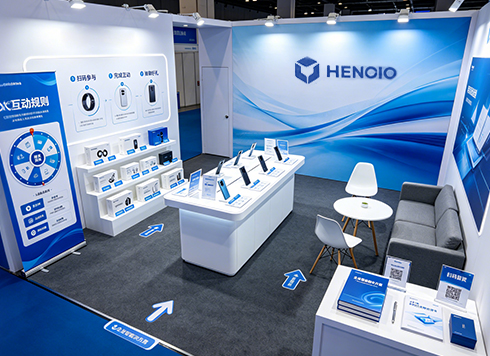
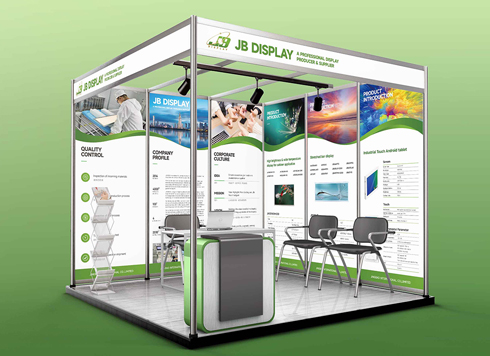 Booth Poster Design for Professional Monitor Product Suppliers
The standard exhibition booth poster projec ...
-
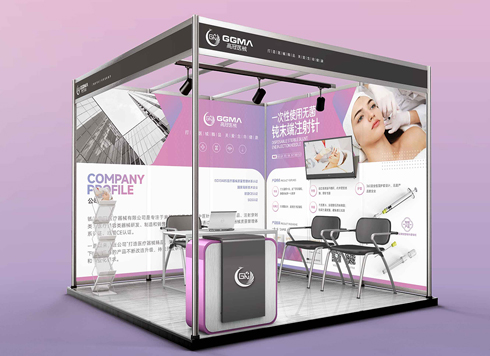 Design of Standard Exhibition Booth Posters for Beauty Instruments
Carefully designed a standard exhibition bo ...
-
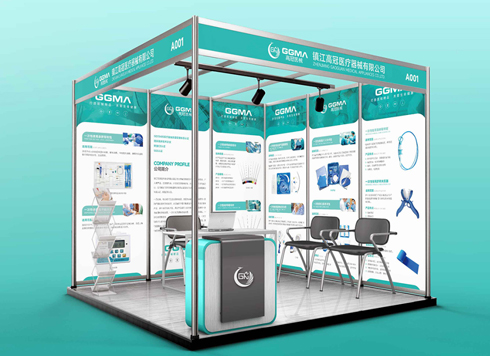 Design of Exhibition Posters for Medical Device Standards
XiYue is designing an exhibition booth post ...
-
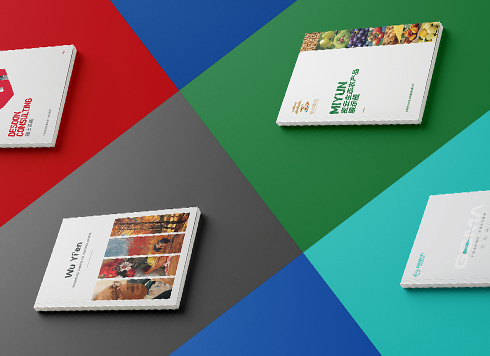 Collection of Brochure Design Cases in 2024 (Cover Series 02)
Our brochure design projects focus on diver ...
-
How to Run a Graphic Design Project: The Complete Workflow from Requirements to Delivery and Acceptance
Date: Aug 5, 2026 Read: 63
-
Graphic Design Software Selection Guide: 2026 Mainstream Tool Comparison and Evaluation Methods
Date: Aug 3, 2026 Read: 80
-
Graphic Design Workflow Efficiency: Step-by-Step Methods and Tool Selection Guide
Date: Jul 27, 2026 Read: 87
-
How to Design Ads/Posters: A Practical Workflow from Needs Analysis to Delivery Acceptance
Date: Aug 9, 2026 Read: 65
-
How to Do Graphic Design: Workflow, Options, and Common Pitfalls
Date: Aug 4, 2026 Read: 73