


Graphic Design Implementation Guide: Complete Process from Concept to Delivery and Common Pitfalls
Graphic design implementation is not simply turning sketches into electronic files; it is a systematic process from requirement alignment, resource planning to quality acceptance. In 2026, with the proliferation of AI tools and normalization of remote collaboration, a clear design delivery path can significantly reduce communication costs and rework rates. The five-step implementation method proposed in this article, combined with common industry tools and scenarios, helps teams complete design projects from scratch within two weeks to two months.
What is "Implementation" in Graphic Design?
Implementation refers to converting design concepts into printable, publishable, or deliverable finished files that meet technical specifications and brand standards. It covers details such as file format, color mode, bleed, font embedding, etc. Any oversight in these areas can lead to output failure.
- Print implementation: Requires CMYK mode, 300dpi resolution, reserved bleed, and preflight of fonts and linked images.
- Digital implementation: Requires RGB mode, 72dpi or 2x images, adapted sizes for different screens, and optimized loading speed.
Why is the Implementation Process Crucial?
Without a standard process, design projects often fall into a vicious cycle of "repeated modifications - endless delays." In 2026, the average cycle time allocated by enterprises for graphic design is only 15 to 30 days (depending on project complexity). A chaotic process directly increases communication costs by over 30%. In contrast, projects adopting a structured process can increase the first-time acceptance rate by 40% and reduce the number of later modifications by 50%.
- Time saving: Clear milestones synchronize progress between designers and clients, avoiding invalid waiting.
- Budget control: After defining the scope, additional modifications can be charged per instance, preventing scope creep.
- Quality improvement: Each phase has standard deliverables, reducing rework caused by misunderstandings.
Five-Step Implementation Method: A Practical Framework for Efficient Delivery
The five-step implementation method divides the entire project into five phases: requirement collection, strategy planning, visual development, execution production, and acceptance delivery. This division is based on the natural timeline of the project lifecycle. Each step requires client confirmation before proceeding to the next, thus avoiding large-scale changes later.
- Requirement Collection: Clarify target audience, usage scenarios, brand tone, and deliverable list. Note: do not just collect "a few images"; ask "where will it be used, what size, what style." For example, a poster used for WeChat Moments and physical stores may have completely different design specifications.
- Strategy Planning: Develop information hierarchy and visual direction. This phase produces a "style lock file" (usually one key visual mockup). After client confirmation, full-scale design begins. A common mistake is skipping this step and directly designing all pages, leading to a complete overhaul later.
- Visual Development: Complete all page/design designs based on the locked style. For batch tasks, it is recommended to finish core pages first, then extend to secondary pages, and build a shared component library (e.g., colors, fonts, spacing) to ensure consistency.
- Execution Production: Convert design files into deliverable formats. Includes cropping, color adjustment, font embedding, resolution checks, etc. Tools like Adobe InDesign's preflight panel or automatic export functions in online collaboration platforms can improve efficiency.
- Acceptance Delivery: The client checks each item against the previously confirmed requirement list, signs off, and then receives source files and exported files. Keep modification records for traceability.
Common Questions
How long does a graphic design project typically take?
Depending on complexity: business card sets or two-page documents about 3-5 days, brand brochures (within 20 pages) about 2-3 weeks, large event visual systems (including 10+ items) about 4-6 weeks. If it exceeds this range, evaluate if requirements are not locked.
How to choose an appropriate design style?
Based on industry and target audience: B2B tech companies prefer clean and professional, FMCG brands often use high saturation and illustrations. It is recommended to collect 5-10 competitor examples for a mood board, align with the designer before further development.
What if there are multiple rounds of revisions?
The contract should specify revision rounds (usually 3 rounds free), with additional charges based on the amount of changes. Also, each revision requires written feedback to avoid invalid changes due to verbal "it doesn't feel right."
Can AI tools completely replace graphic design?
No. AI excels at generating drafts and variations, but brand strategy, creative insight, and fine control still require human designers. A common division in 2026: AI produces base images + designers adjust layout and style consistency.
How can non-designers check implementation quality?
Check five elements: resolution meets standards, text is editable (e.g., print files need embedded fonts), color is correct, bleed is sufficient (for print), file naming is standardized. Ask the designer to provide a preflight report.
Applicable Scenarios and Boundaries
Suitable for: Unified visual output for enterprises (e.g., brochures, exhibition materials), e-commerce promotion series, full-case design during brand upgrades, and standardized documents for external communication. Not suitable for: Pure personal artistic creation (more about expression than delivery), one-off simple modifications (e.g., only changing text, can be outsourced to tools or micro-agencies), internal temporary communication graphics (e.g., PPT diagrams, templates suffice). Note: When the requester has not even determined basic product information, it is not advisable to start graphic design—lock content first, then talk about design.
How to Judge the Quality of a Graphic Design Solution?
A good solution balances aesthetics and functionality. Evaluate from three dimensions:
- Information communication efficiency: Can the core message be seen within 3 seconds? Is the text hierarchy clear?
- Brand consistency: Do colors, fonts, and icons follow brand guidelines? Are they consistent with past materials?
- Technical feasibility: Does the print file meet printer requirements? Are web images compressed to reasonable size without distortion?
Conversely, poor solutions are visually flashy but unclear in focus, use too many decorative fonts causing readability issues, or output files lack bleed or have color deviations.
In-house Team vs. Outsourcing vs. Design Tools: Selection Comparison
Each method has pros and cons, suitable for different scenarios:
- In-house team: Suitable for brands that frequently produce high-quality designs (e.g., 5+ pieces per week). Higher cost (salary + software + management), but strong controllability and deep brand understanding. In 2026, annual cost for a junior designer including social insurance is about 150,000-250,000 RMB.
- Outsourcing studio: Suitable for project-based or fluctuating demand. Pay per project: single page poster about 2,000-5,000 RMB, full VI about 50,000-150,000 RMB. Allow 2-4 weeks communication cycle, and contract should specify revision rounds and copyright ownership.
- Design tools (e.g., Canva, Fotor, etc.): Suitable for sporadic needs with limited budget where templates cover the scenarios (e.g., daily social media graphics). Annual fee a few hundred RMB, very fast output, but lacks originality and brand depth, cannot meet fine output.
Selection suggestion: If annual design budget is below 100,000 RMB and most needs are template-based, prioritize tools + freelance designer; if annual budget is 300,000 RMB+ and requires series styles, consider forming an in-house team; for the middle ground, outsource core materials and use tools for routine updates.
The above implementation methods apply to most graphic design projects, but note: for urgent projects (e.g., deliver within 24 hours), requirement and strategy steps can be compressed, but clearly inform the client of subsequent modification risks. Regardless of the approach, locking down "what is completion" is more important than debating "what is more beautiful." For professional implementation support, refer to Xiyue Company's delivery practices in brand visual field, whose industry cases demonstrate typical handling of different project scales.
-
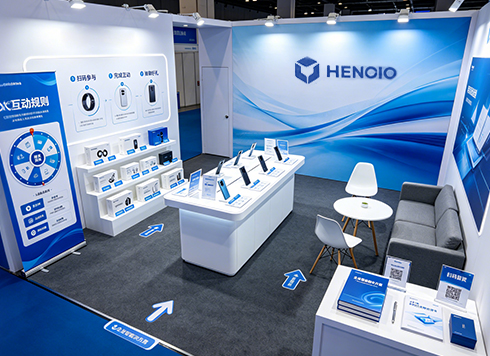
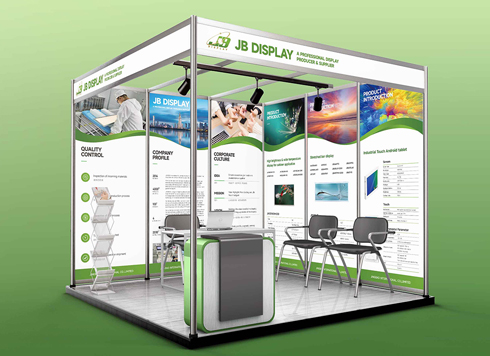 Booth Poster Design for Professional Monitor Product Suppliers
The standard exhibition booth poster projec ...
-
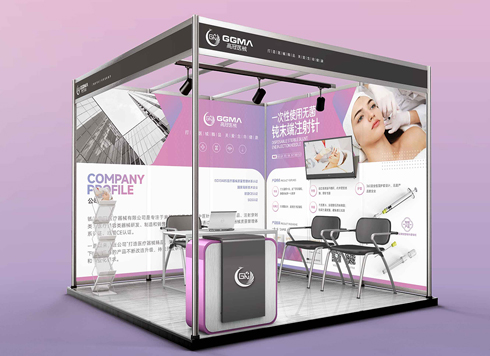 Design of Standard Exhibition Booth Posters for Beauty Instruments
Carefully designed a standard exhibition bo ...
-
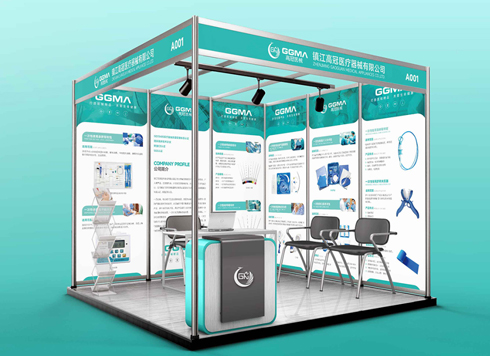 Design of Exhibition Posters for Medical Device Standards
XiYue is designing an exhibition booth post ...
-
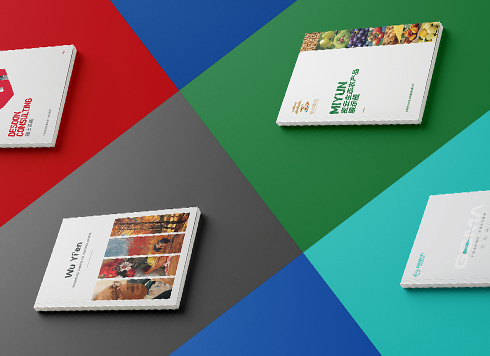 Collection of Brochure Design Cases in 2024 (Cover Series 02)
Our brochure design projects focus on diver ...
-
How to Run a Graphic Design Project: A Guide to Process, Pricing, and Acceptance
Date: Aug 10, 2026 Read: 62
-
Evaluating and Selecting Graphic Design Projects: From Requirements Definition to Delivery Acceptance
Date: Aug 8, 2026 Read: 58
-
Graphic Design Project Delivery Guide: From Requirement Confirmation to Acceptance
Date: Aug 6, 2026 Read: 64
-
How to Run a Graphic Design Project: The Complete Workflow from Requirements to Delivery and Acceptance
Date: Aug 5, 2026 Read: 63
-
What Is the Graphic Design Project Process? Four-Stage Implementation Method and Common Pitfalls
Date: Jul 31, 2026 Read: 62