
The AI-generated logo looks decent, but the printer says it needs vector art—should I ask AI to regenerate it or have a designer redraw it?
Bottom line first: in most cases, we do not recommend using an AI-generated logo image directly for printing and delivery. It is more like a visual sketch; before formal use, it usually has to pass three gates: vector redrawing, font and asset licensing checks, and preliminary trademark similarity screening. Based on typical 2026 delivery experience, the safer approach is to treat the AI draft as a directional draft, have the design side redraw it into an editable vector file, then complete a one-color version, a reverse version, and a color value sheet, while keeping client confirmation records.
What is the difference between an AI-generated logo and a formal brand identity?
Most AI-generated images are raster images; when enlarged for storefront signage or packaging, pixels show. Even if converted to vector, auto-tracing often leaves dense anchor points and jittery curves. A formal brand identity is used in packaging, uniforms, storefront signage, contract templates, and other scenarios, so file precision, font licensing, and ownership of rights all need to be traceable.
Once a brand identity is finalized, it will be used repeatedly for years. Time saved earlier on redrawing and searching often turns into the cost of revisions, reprints, or even trademark rejection later. Based on experience range, redoing a packaging layout usually involves 1 to 3 rounds of revisions and new proofs; the time and cost are higher than completing the files earlier.
- Raster vs. vector: Generated images are often PNG or JPG, and blur when enlarged; vector files can scale, but paths need manual cleanup.
- Font licensing: Glyphs in generated images may come from training data; that does not mean commercial licensing has been obtained.
- Asset source: Graphic elements may be similar to someone else's trademark, creating a conflict risk.
- Ownership of rights: Ownership of generated content must be checked against platform terms and official registration rules; do not assume it belongs to the client.
- Distinctiveness: If it visually resembles common stock patterns, trademark examination may find it lacks distinctive character.
When you receive an AI logo draft, first judge the use and the rights
I usually break the initial check into four things: check the use, break down the elements, redraw the vector, and verify the rights. The reason for this split is that an AI draft looks complete, but the rights and precision of each part are not synchronized. First judge whether it can be used, then decide which part to change; this is easier than starting to trace the image immediately.
- Check the use: First clarify which medium it will appear on. Packaging, storefront signage, business cards, and social avatars have very different file requirements; storefront signage and packaging usually require vector files.
- Break down the elements: Look at graphics, fonts, and colors separately to judge what can stay and what must be replaced. If the graphic structure is loose or similar to a well-known mark, changing direction is more cost-effective.
- Redraw the vector: Redraw paths according to the actual usage size of the mark, control the number of anchor points, and add rounded corners, alignment, and visual corrections.
- Verify the rights: Conduct preliminary trademark similarity screening, font licensing checks, and asset source records. If uncertain, use official search channels and trademark agent opinions as the standard.
Among the four steps, the ones most easily skipped are 'check the use' and 'verify the rights', because these two do not directly produce artwork. But delivery-site experience shows that skipping them often leads to more rework later.
Where delivery usually gets stuck: assets, timeline, and revisions
A common situation in projects is: the client sends only a phone screenshot of an AI image, with no layered file and no confirmed font source, yet asks for a full packaging set within three days. A more stable approach is to first run an initial check, mark the parts that cannot be used, and then confirm with the client whether to redraw from the sketch or rethink the concept. If you skip the initial check and go straight to layout, later problems often include missing glyphs, jagged edges, and failed trademark searches; one rework usually adds 1 to 2 rounds of revisions, and proofs and printing plates may also need to be redone. This cost is still common in short-cycle 2026 projects; as an experience range, each additional rework round pushes delivery by 1 to 3 working days.
- Incomplete assets: Ask for the original generated image and multiple screenshots first; do not extract images from chat records.
- Tight timeline: Redrawing plus initial check commonly takes 1 to 3 working days, and longer for complex graphics.
- Number of revisions: From AI sketch to deliverable, the experience range is about 2 to 4 rounds of confirmation.
- Cost: Skipping the initial check clearly increases the probability of rework at the printing stage.
What to check at acceptance: the pass line for turning an AI draft into a brand identity
Acceptance is not about whether the mockup looks good; it is about whether the files can support printing and trademark use. If only a PNG is delivered, every later stage will require redrawing. A practical verification method is 'one draft, three sheets': an editable vector draft, plus a color value sheet, a font licensing statement, and a client confirmation record sheet.
- Vector file: Paths are closed, the number of anchor points is controllable, and curves do not jitter or thin lines break when enlarged.
- One-color version: At least one pure black version and one reverse version for single-color printing and dark backgrounds.
- Color value sheet: Mark CMYK, spot color, and screen color separately, and state which approved sample controls.
- Minimum usage size: Give minimum widths for both print and screen, marked in millimeters and pixels respectively.
- Documentation on file: Client confirmation records, font licensing statements, and asset source records must be traceable.
Only when the above points are met does the file have a basis for printing and submission. If any item is missing, it may be rejected later by the printer or at the trademark stage.
Direct use of AI sketches vs. manual redrawing: what dimensions differ?
It is not that AI drafts can never be used; the key is what role they play. They can be used first for directional reference and internal pitches; for formal brand assets, rights and files usually need to be completed. Below is a comparison by several common dimensions; all numbers are experience ranges.
- Direct use of AI sketch: Fast output, experience range same-day; but trademark similarity, font licensing, and printing precision risks are relatively high. Suitable for internal proposals or temporary events; not recommended directly as a formal brand identity.
- Manual redrawing: Experience range about 1 to 3 working days, cost from several hundred to two or three thousand depending on complexity; delivers vector source files, one-color version, and color value sheet. Suitable for scenarios that need packaging, storefront signage, and trademark applications.
- Complete redesign: Longer cycle, experience range about 1 to 3 weeks; suitable when the AI draft deviates greatly from the brand positioning or similarity search risk is high.
When choosing, look at the use first, then budget and timeline. If it is only for a social avatar or internal PPT, an AI draft with simple cleanup is usually enough; if it will go on packaging, storefront signage, and trademark applications, redrawing and verification should not be skipped.
Applicable scenarios and boundaries
AI-generated logos are suitable for early exploration, internal pitches, and temporary event materials; they can quickly clarify direction. But they are not suitable as formal brand identities, for trademark applications, or for packaging, storefront signage, and uniforms that need long-term reuse. The boundary can be remembered in one sentence: if it is only for internal discussion, an AI image can be used first; if it will go on packaging, storefront signage, and trademark applications, vector redrawing and rights verification usually cannot be skipped.
- Suitable: Internal proposals, style drafts, temporary events, and informal scenarios with very tight budget and timeline.
- Not suitable: Formal brand identities, trademark applications, packaging printing, storefront signage production, and multi-person VI systems.
- Compromise: First use an AI draft to set direction, then have the design side redraw it and complete the files, confirming in stages according to project delivery habits.
In project delivery, our common practice is to confirm AI drafts and formal assets in two stages, to avoid pushing a sketch forward as a finished product.
Frequently Asked Questions
Can an AI-generated logo be directly used to register a trademark?
Usually not recommended for direct application. Examination looks at distinctiveness, similarity, and ownership of rights; it is advisable to conduct a similarity search first, then decide whether to redraw or change direction.
For an AI-generated image, who actually owns the copyright?
Check against the generating platform's user terms and official registration rules; do not assume it belongs to the client. Before delivery, it is safer to include a rights statement in the confirmation sheet.
If it is auto-traced into vector, is that enough for printing?
Auto-tracing often leaves dense anchor points and jittery curves; small sizes or thin lines easily become fuzzy. Paths usually need manual cleanup before printing.
If the client insists on using the AI image directly, what should the designer do?
First state the font, trademark, and printing risks in writing, then deliver in the manner confirmed by the client, while keeping communication records and file versions.
How long does one redraw take, and how is the cost calculated?
As an experience range, simple graphics take about 1 to 2 working days, and complex graphics about 3 to 5 working days; costs range from several hundred to two or three thousand, depending on path complexity and number of deliverables.
If you are holding an AI-generated logo right now, do not rush to print it or submit a trademark application. Go through the initial check: confirm the use, break down the elements, redraw the vector, and verify the rights. If it is only for an internal pitch or temporary event, you can use it on a small scale and note the risks; if it involves packaging, storefront signage, and trademarks, it is advisable to complete the source files and licensing statements before moving forward.
-
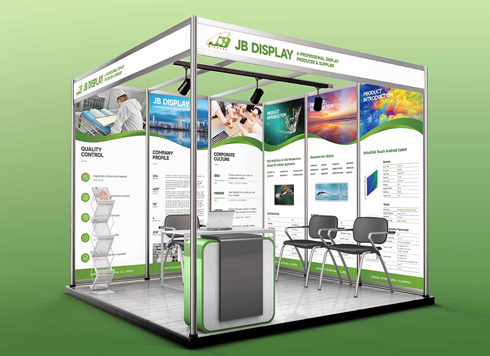 Booth Poster Design for Professional Monitor Product Suppliers
The standard exhibition booth poster projec ...
-
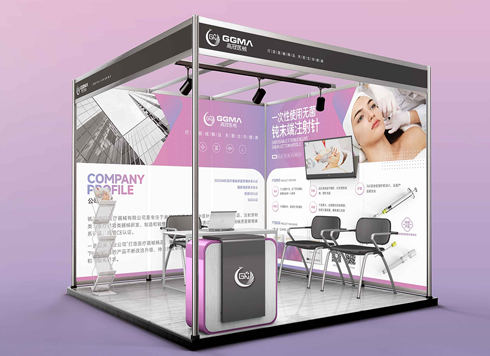 Design of Standard Exhibition Booth Posters for Beauty Instruments
Carefully designed a standard exhibition bo ...
-
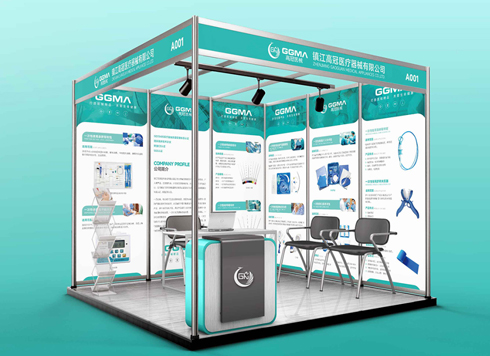 Design of Exhibition Posters for Medical Device Standards
XiYue is designing an exhibition booth post ...
-
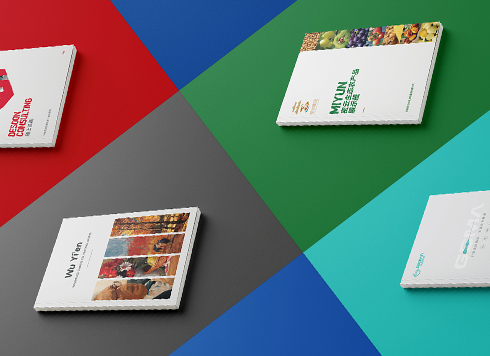 Collection of Brochure Design Cases in 2024 (Cover Series 02)
Our brochure design projects focus on diver ...
-
Why Does the Font Look Wrong When the Client Opens My Source File, While It Looks Fine on My Own Computer?
Date: Sep 6, 2026 Read: 43
-
Client wants source files before final payment — do designers always have to hold the line? Miss these handover details and your reputation suffers
Date: Aug 30, 2026 Read: 47
-
Graphic Design Acceptance: Don't Just Check Mockups—Watch Source Files, Color Difference, and Bleed
Date: Aug 17, 2026 Read: 57
-
Art paper covers lose their feel when laminated, but unlaminated covers wear out: what is the right trade-off?
Date: Oct 20, 2026 Read: 5
-
When a pack front is packed with selling points, why does the shelf shopper pick up the less-wordy pack next to it?
Date: Oct 19, 2026 Read: 9