




Client wants source files before final payment — do designers always have to hold the line? Miss these handover details and your reputation suffers
In graphic design projects, should source files be sent before the final payment is settled? Based on project delivery experience, the common practice is: send source files after the final payment is received, but a more reliable approach is to agree in the contract to release source files in stages — for example, send low-resolution previews for the initial draft, send high-resolution exported images after final approval, and send editable source files after the final payment is cleared. This sequence protects both parties' interests and avoids disputes caused by missing handover details later.
What exactly are source files? Clarify this before discussing delivery
Source files are not JPGs or PDFs; they are project files that allow the design to be restored and further edited. For graphic design, common source files include: AI (vector), PSD (layered), InDesign (layout), Figma (UI), etc. The client usually asks for source files to make their own text changes, replace images, reuse the template, or hand them to another designer to continue.
Therefore, verify three things before delivery: whether the file format is editable, whether fonts are embedded or outlined, and whether layers are clearly named. If you only provide a flattened PSD, the recipient basically cannot edit it, so it is useless. Based on 2026 project delivery habits, it is also common to include a font list and an image link list so someone else can pick up the work easily.
- First ask why the client needs the source files: for minor internal edits, for a second designer, or for future derivative materials.
- Confirm the source file version: the design software version should not differ too much, otherwise the recipient may not open it or layers may be misaligned.
- Keep the folder structure when compressing and packaging, and include version numbers and dates in file names to avoid confusion over “Final Version 2.0”.
Why do final payments and source files always get stuck together
The client fears paying the final amount without receiving usable source files; the designer fears sending source files without getting the final payment. Both sides worry about losing out. In fact, the sticking point is often not money, but a lack of consensus on what the source files include. If the contract says “deliver source files” but does not specify which formats, whether fonts should be outlined, or whether unused drafts are included, disputes arise at settlement.
Another common situation is that the client delays the final payment because of other unresolved rework issues, not because the source files themselves are problematic. Therefore, agreeing on a delivery checklist and payment percentage for each milestone at project kickoff is much more efficient than arguing later.
Common four-stage payment pace in 2026 projects
- Signing payment 30%-50%: Start the design and produce the initial draft.
- After initial draft confirmation, pay 30%: Continue to refine and modify.
- After final approval, pay 20%-30%: Send high-resolution export images (JPG or PDF) for review or proofing.
- After the final payment is cleared, send source files: Include fonts, image packages, and design specification notes.
This ratio is not a hard rule, but putting source files last effectively prevents the final payment from becoming unpaid debt. If the client insists on receiving source files first, you can collect a deposit or include a clause stating that once source files are released, no free revisions are included for this project.
Missing these details during source file handover is more troublesome than the final payment
The final payment issue is at worst about money, but missing handover details may render the files useless for the client and lead to requests for refunds or rework. Based on project delivery experience, the following seven items are most commonly overlooked.
- Fonts not outlined and font files not included: This can cause the source file to display garbled text or substitute fonts when opened elsewhere.
- Bleed not specified: If the client directly uses source files without bleed for printing, trimming may cut into content and ruin the finished product. The typical bleed experience range is 2-3mm on all sides, but special processes or large packaging may require up to 5mm — it is best to confirm with the print shop.
- Die-cut template not provided: Anyone who has worked on packaging knows that without a die-cut template, the print shop cannot create the cutting form. This falls under design handover.
- Broken image links: If the source file uses external linked images or images that were not packaged, they will appear missing on another computer and the layout will fall apart.
- Poor layer naming: Dozens of layers all named “Layer 1, Layer 2” make it impossible for the next designer to quickly edit.
- Color mode issues: If the print source file uses RGB, the printed colors will be noticeably off even though they look fine on screen.
- Version compatibility not stated: The client uses CS6 but you deliver AI 2025, so they cannot open it and need you to save it again — a costly communication hassle.
You can verify items one by one against this checklist: check them off before handover and you will avoid most pitfalls. If you handle many projects, make this checklist a standard template and print it out for each delivery.
Handover scene: a packaging project that nearly went sideways
In the spring of 2026, I took on a packaging box design project. The contract stated “deliver source files after the final payment is cleared,” but it did not specify that the source files included the die-cut template. When the client pressed for source files to coordinate with the print shop after final approval, I insisted on waiting for the final payment. The client replied, “The die-cut template is not really a source file, right? You can send that first.” At that point, I sent the die-cut template as a separate PDF for the print shop to confirm, but kept the editable AI vector die-cut file. I explained, “Once the die-cut template is confirmed and the final payment is received, I will send all source files immediately.” The print shop confirmed the die-cut structure with the PDF, and the client paid the final balance without issue. The lesson: key information can be given early, but editable source files must stay until the end, otherwise you risk delayed payments.
FAQ
Can I send part of the source files first?
Yes. Send layered files (such as PSD) first and send the final outlined source files later. This allows the client to view but not easily modify. However, it is best to specify the stage division in the contract.
Should I package fonts together when sending source files?
If the fonts are free for commercial use, packaging them is fine. For paid or third-party licensed fonts, it is recommended to outline them or ask the client to provide a license certificate — otherwise there may be copyright risks.
What if the client says they need source files for edits but has only paid 50% of the final payment?
The common practice is to have the client sign a “source file usage commitment letter” clarifying the scope of modifications and setting a deadline for the remaining payment. But remember, this is only a temporary measure; the safest approach is still to wait for the final payment as agreed.
Do AI-generated source files count as source files?
Project files exported from AI tools may lack the layer structure of traditional software and may not qualify as editable source files. If the client requires “editable for further use,” it is recommended to rebuild the layers manually before delivering as source files.
When you can send source files without holding back the final payment
Not all projects require keeping source files until the end. If the project is only for online display and involves no printing or future modifications, whether you deliver the source files matters little — you can send them early or skip them. Also, for long-term clients with good payment history, you can relax the pace, but it is best to include in the contract that once source files are released, no free revisions are included for this project. Conversely, if the project involves printing, packaging, batch production, or the client explicitly needs source files to switch vendors, source files must be delivered only after the final payment — this is the baseline.
Action guide: First self-check against the four standards — clear layer naming, outlined fonts with a list, proper bleed, and separately provided die-cut template — then decide whether to hold back the final payment. Not applicable: if the project only produces display images and involves no further edits or printing, then source file delivery is unnecessary; make this clear upfront to avoid misunderstandings.
-
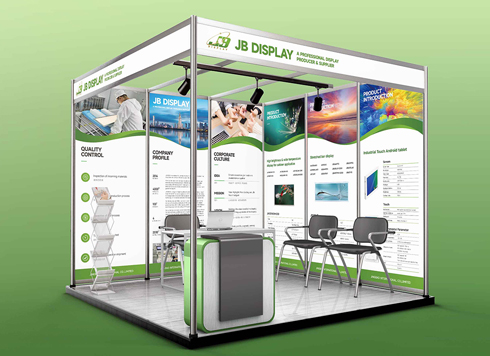 Booth Poster Design for Professional Monitor Product Suppliers
The standard exhibition booth poster projec ...
-
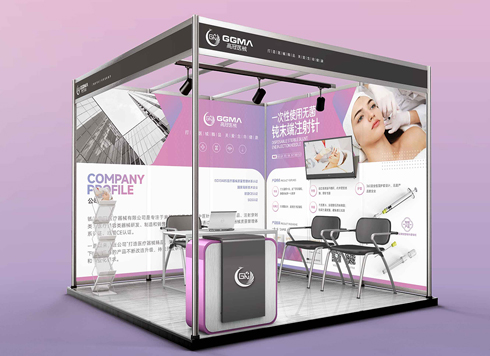 Design of Standard Exhibition Booth Posters for Beauty Instruments
Carefully designed a standard exhibition bo ...
-
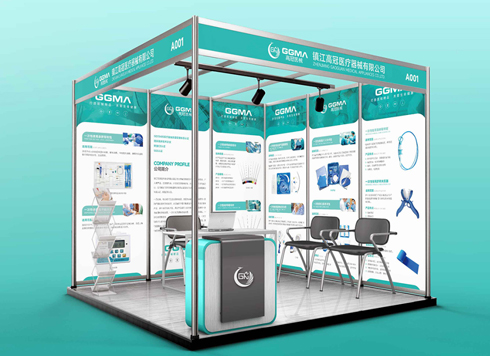 Design of Exhibition Posters for Medical Device Standards
XiYue is designing an exhibition booth post ...
-
 Collection of Brochure Design Cases in 2024 (Cover Series 02)
Our brochure design projects focus on diver ...
-
Should You Ask for Source Files When Outsourcing Graphic Design? How Much Extra Does It Usually Cost?
Date: Aug 28, 2026 Read: 55
-
Graphic Design Acceptance: Don't Just Check Mockups—Watch Source Files, Color Difference, and Bleed
Date: Aug 17, 2026 Read: 57
-
The AI-generated logo looks decent, but the printer says it needs vector art—should I ask AI to regenerate it or have a designer redraw it?
Date: Oct 15, 2026 Read: 16
-
Why Does the Font Look Wrong When the Client Opens My Source File, While It Looks Fine on My Own Computer?
Date: Sep 6, 2026 Read: 43
-
When Designing Packaging Boxes, Who Should Provide the Die Line: the Design Firm or the Printer?
Date: Aug 26, 2026 Read: 69