



Brochure stuck at 48 pages: saddle stitch or perfect binding?
Bottom line first: When a brochure is stuck at 48 pages, saddle stitch and perfect binding are not absolutely better or worse. Based on 2026 project delivery habits, 16–48 pages, lighter inner-page paper weight, and short-term handout or casual reading use often make saddle stitch sufficient; 48–64 pages is a boundary zone, and if you need spine display, lay-flat writing, or long-term storage, perfect binding is more stable, and sewn perfect binding is worth it if budget allows. Binding method is best decided before layout, which can reduce rework on page count, creep, spine, and imposition.
What is the difference between saddle stitch and perfect binding when you first open it?
Saddle stitch nests folded signatures together, drives staples along the spine, and then folds; perfect binding stacks signatures evenly, mills the spine, applies glue, and wraps the cover. The most visible difference is the reading experience: saddle stitch lays flat easily and spreads stay continuous; ordinary perfect binding often springs back when opened to the middle, and content near the gutter can be slightly swallowed. Sewn perfect binding sews signatures first and then glues them, usually giving better durability and lay-flat performance.
But what really constrains binding method is not feel, but page count, paper weight, and how the piece is read. As page count rises, the saddle-stitched spine gets thicker, and middle pages creep outward, which is called creep; when inner pages are thicker, cracking at the fold, uneven trimming, and springback become more obvious. Perfect binding is more forgiving on page count, but when there are too few pages, the spine is too narrow to fit even spine text.
How page count and paper weight can narrow down the binding method first
Saddle stitch page counts usually need to be arranged in multiples of 4, because a sheet folded on both sides commonly forms 4 pages. The following are common experience ranges in 2026 projects; actual results vary with printer equipment, paper, and print run, and these cannot directly replace a printer quote.
- Common saddle stitch page count: 16–48 pages, experience range; above about 64 pages needs focused evaluation.
- Common perfect binding page count: 48–200 pages, experience range; thicker books can consider sewn perfect binding.
- Common inner-page paper weight: 105–157 gsm, experience range; below this range is thin, and too far above puts pressure on saddle stitch.
- Common cover paper weight: 200–300 gsm, experience range; when the cover is too thick and page count is high, saddle stitch easily arches.
If the brochure has many large spreads, maps, or tables, confirm the binding method before layout, which is easier than adjusting images afterward. Page count also needs to be made a multiple of 4; otherwise saddle stitch may create blank pages or force a new imposition.
Cost, turnaround, and who it suits: a checklist comparison
Based on common 2026 project delivery habits, several binding methods can first be compared by the dimensions below. The numbers are experience ranges; actual results are subject to the printer's binding specifications and quote.
- Saddle stitch: common page count 16–48 pages; relatively low cost; relatively short turnaround; suits event brochures, conference handbooks, product single-page booklets, and menus.
- Perfect binding (unsewn): common page count 48–200 pages; medium cost; medium turnaround; suits corporate brochures, product catalogs, and training manuals.
- Sewn perfect binding: common page count 80 pages and above; relatively high cost; longer turnaround; suits premium brochures, long-term reading sample books, and lay-flat spread image books.
- PUR perfect binding: common for booklets with higher lay-flat and durability requirements; cost and turnaround are usually higher than ordinary perfect binding and need to be confirmed with the printer's process.
When budget is limited, do not look only at the binding unit price. Saddle stitch may save binding cost, but wrong page count can add blank pages; if perfect binding spine width is not reserved, the cover may need to be laid out again. Count these hidden changes in before comparing options.
On delivery: when 48 pages falls in the boundary zone, how we usually handle it
In a 2026 corporate brochure project, the total page count was set at 48 pages, with inner pages around 128 gsm, and the client wanted both lay-flat writing and budget control. This is exactly the boundary zone between saddle stitch and unsewn perfect binding: saddle stitch can save cost, but middle-page springback is obvious; unsewn perfect binding is more stable, but spine width must be calculated in advance. Our approach was not to enter large-volume printing first; we had the printer produce one blank dummy for each method and then asked the client to open to the middle pages. The client accepted unsewn perfect binding, the cover reserved spine width, and inner-page margins were adjusted at the same time. The cost was one extra blank dummy turnaround; the benefit was avoiding cover re-layout and re-imposition. The typical range for spine width changes with page count and paper, and it usually needs to be calculated by the printer; we do not recommend designers leave it by feel.
Where it applies and where it does not
There is no absolute better or worse binding method, only whether it matches page count, paper, and reading scenario. Saddle stitch suits booklets with fewer pages, thinner paper, and short-term handout or casual reading use; perfect binding or sewn perfect binding suits brochures with more pages, a need for spine display, long-term storage, or lay-flat writing.
Cases that are unsuitable or unnecessary should also be clear: single sheets, folded leaflets, and posters themselves do not need binding; thin booklets under 16 pages do not need sewn perfect binding, because the spine is too narrow and the cost and experience improvement are limited; for one-time event materials with a very tight budget, saddle stitch is usually sufficient. Forcing perfect binding onto few pages commonly results in a too-narrow spine, higher cost, and no obvious reading-experience gain.
FAQ
Above how many pages is perfect binding recommended for a brochure?
By experience range, 48–64 pages is the boundary zone; above 64 pages, with thicker paper or a need for lay-flat writing, perfect binding or sewn perfect binding is more stable, subject to the printer's binding specifications.
Do saddle-stitched brochures really lose pages easily?
With few pages and thinner paper, saddle stitch is very durable; with many pages and thick paper, the staples bear more stress, and middle pages can come loose or the cover can arch.
How much more expensive is sewn perfect binding than ordinary perfect binding?
Based on 2026 project delivery experience, sewn perfect binding commonly has a binding cost increase of tens of percent over unsewn perfect binding; specifics depend on page count, print run, and paper, and need to be checked against the printer's quote.
Can a perfect-bound brochure lay completely flat?
Ordinary unsewn perfect binding usually cannot lay completely flat and springs back when opened to the middle; when lay-flat scanning, writing, or full spread display is needed, sewn perfect binding or PUR perfect binding is more suitable.
Should the binding method be decided at the design draft stage?
It is best to decide before layout, because page count, creep, spine width, and bleed are all affected; adding the binding method later commonly costs re-imposition and cover changes.
If you are working on a 2026 brochure or product catalog, first write four items into the requirements sheet: total page count, inner-page paper weight, reading scenario, and budget. Then have design and the printer quote against the same binding specification. With fewer pages and short-term handouts, saddle stitch can be prioritized; if you need lay-flat, long-term storage, or have more pages, then consider perfect binding or sewn perfect binding. Before the binding method is confirmed, large-volume printing is not recommended.
-
 Booth Poster Design for Professional Monitor Product Suppliers
The standard exhibition booth poster projec ...
-
 Design of Standard Exhibition Booth Posters for Beauty Instruments
Carefully designed a standard exhibition bo ...
-
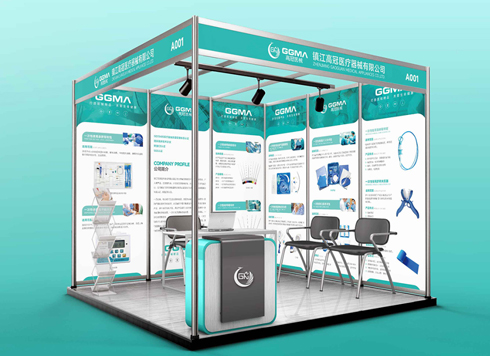 Design of Exhibition Posters for Medical Device Standards
XiYue is designing an exhibition booth post ...
-
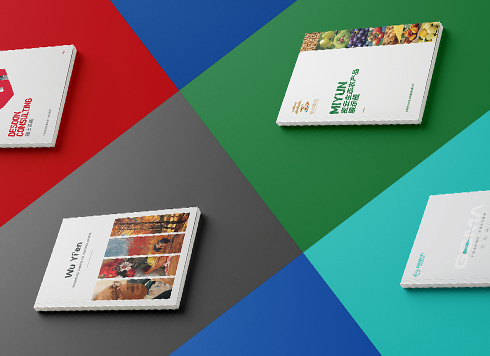 Collection of Brochure Design Cases in 2024 (Cover Series 02)
Our brochure design projects focus on diver ...
-
Inner pages switched from 80g to 105g—does the spine width need recalculating? Is there still time if the cover is already laid out?
Date: Sep 19, 2026 Read: 7
-
Brand Color Doesn't Match Between Two Packaging Print Runs—Will Paying Extra for a Spot Color Keep It Consistent?
Date: Sep 18, 2026 Read: 7
-
Why does a 24-page brochure layout get imposed as 28 pages at the printer?
Date: Sep 16, 2026 Read: 14
-
Why does the same design look clear on a computer but gray and blurry when sent to WeChat?
Date: Sep 15, 2026 Read: 18
-
Why does the same foil stamping look premium on someone else's brochure but cheap on mine?
Date: Sep 14, 2026 Read: 19