


With So Many Template Sites, Do You Still Need to Pay a Graphic Designer?
Template websites can already handle most internal image needs, but whether you should pay a graphic designer depends on three conditions: whether the use is external, whether the license covers your use case, and whether you'll need to modify the source files later. Based on common delivery practices in 2026, if it's just for internal meetings or everyday social media posts, templates are sufficient. But once it involves brand image, paid advertising, or print materials, it's recommended to have a designer do at least a final integrity check.
Templates Can Solve 80% of Everyday Image Needs, But They Can't Fill the Brand Asset Gap
Template sites have ever-growing asset libraries, and you can produce a poster with a few drags and drops in seconds. But templates are public—the same layout may be used by many businesses, limiting distinctiveness. Also, template license terms often only cover personal or general commercial use; public spaces, online ads, and resale scenarios may be restricted. The real issue is that files modified from templates often lack unified design standards—the next image may switch to a completely different style, preventing brand assets from accumulating.
In projects, it's common for clients to download a source file from a template site, change a few words, and use it for storefront lightboxes—only to find the lightbox manufacturer says the file is missing fonts or isn't in CMYK format, forcing last-minute rework. Our approach is to run a checklist before delivery: check if fonts are embedded, if outlines are converted, and if bleed is included. This at least saves the hassle of switching suppliers.
- Internal scenarios suitable for templates: training posters, event banners, short-video covers, WeChat Moments promotional flyers.
- Hard requirements templates cannot cover: brand logos, product packaging, multi-size adaptation, print file specifications.
What Professional Graphic Designers Actually Add in Projects
A designer's value isn't just producing an image—it's translating needs into usable deliverables: CMYK files that can go to print, three sets of pages that can be developed, and visual guidelines that can be extended to future campaigns. When clients ask for “five directions first,” designers use mind maps or mood boards to communicate rather than diving straight in. This process, based on project delivery experience, can reduce revision rounds from an average of five or six down to two or three.
- Copyright legitimization: Confirm commercial licenses for images and fonts to avoid infringement claims.
- Format compliance: Bleed, crop marks, embedded fonts, and grouped layers ensure print readiness and reuse across media.
- Cross-channel adaptation: The same visual appears differently on mobile, outdoor screens, and store shelves.
- Brand consistency: Establish color palettes, typefaces, and layout rules so every new piece fits into one cohesive system.
What counts as qualified? If the client can take the source files to any supplier for reuse without missing fonts or lost layers, that—per 2026 project delivery practices—is qualified. If changes still require the designer's involvement, the file standards aren't up to par.
Three-Step Checklist: Template or Designer?
You don't need to overthink this; three questions will give you your answer. This checklist comes from Xiyue Company's experience in web development and design delivery—the key is turning the subjective question of “does it look good” into the practical question of “can it be used.”
- What's the purpose? Internal temporary display, or external promotion/sales packaging? For external use, at minimum have a designer review it.
- Is the license covered? Does the template platform's membership include “advertising or resale” scenarios? If unsure, treat it as non-commercial.
- Will you need to modify it later? If content changes frequently, or if you need a coordinated set of materials, custom design will be more efficient than adapting a template.
For step one, note that “external” includes WeChat article headers, livestream announcements, etc.—not just print. For step two, check the downloadable license documentation on the platform. For step three, note that templates are often harder to edit than they appear—locked sliders and layouts can cause one small change to break the whole design, something frequently seen at delivery.
2026 Practices: Cost and Turnaround Comparison for the Same Poster—Template vs. Designer
Based on 2026 project delivery practices, here are experience ranges to help you gauge your budget and timeline.
- Template: Cost from tens to a few hundred yuan/year for membership; per-image time 30 minutes to 2 hours; many modification limits; medium license risk; deliverable is the platform's source file, not fully owned by you.
- Designer: Cost typically a few hundred to a few thousand yuan per version (experience range), higher for brand visual systems; turnaround usually 2–7 working days (including communication); controllable revision count; clear licensing; deliverables include layered source files and specification documents.
For local small and medium brick-and-mortar stores, a single poster design fee often ranges from 300–800 yuan, while a chain brand's basic visual guideline set (logo + typography + color palette + layout) starts at 10,000 yuan, depending on brand completeness. These are experience ranges, not quotations. For verification, refer to official quotes or platform delivery acceptance checklists.
Applicable Scenarios and Boundaries
The judgment criteria are simple: do you have external delivery and brand continuity needs?
- Suitable for templates: Extremely low budget, one-off materials, no brand continuity needs, or internal team drafts.
- Suitable for a designer: Brand external exposure, fundraising pitches, product packaging, chain stores, long-term advertising, or a full VIS.
- Not suitable / unnecessary: A single WeChat Moments post with no brand tone involved—don't spend heavily on custom design. Likewise, if a company hasn't even defined its basic logo and fonts, blindly hiring a designer for one-off posters won't build brand assets.
Boundary statement: Templates solve “having an image,” while designers solve “this set of images can keep making you money.” They're not opposites; the choice depends on the delivery scenario.
FAQ
Is a template website membership truly safe for commercial use?
It depends on the license agreement. Most platforms' individual memberships do not cover ad placements or resale. It's recommended to screenshot and keep the license terms before paying, or contact customer support to confirm.
How much does it cost to have a designer create a poster?
Based on experience ranges, a single poster for a local small project typically costs 300–800 yuan. Reputable studios or first-tier city teams may charge several thousand yuan, depending on usage and revision count.
I can't tell if a design is good or bad—how do I judge if it's qualified?
Check against three standards: information hierarchy is clear at a glance, brand identity is consistent, and source files are properly prepared (layered, fonts embedded, bleed included).
What's the difference between a designer's source files and a template download?
Template source files are subject to platform rules and license restrictions, making modifications troublesome. Designer-delivered source files belong to you, can be freely edited, and are usable for print, production, and other scenarios.
Can I generate images with AI myself and then have a designer fix them?
Yes, but note that copyright ownership of AI-generated images is still unsettled. It's best to use them only internally. Before external commercial use, have a designer redraw or supplement elements according to standards to avoid infringement.
First, use the three-step checklist to clarify purpose and licensing, then decide between templates and a designer. If it's just a quick everyday image, templates suffice. If it's your brand's public face, build your own visual standards early. Per 2026 delivery practices, there's no absolute better option—only what fits the scenario. If you're unsure about delivery, verify item by item against official documentation and acceptance checklists.
-
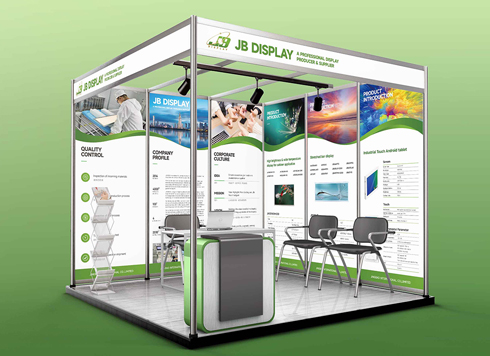 Booth Poster Design for Professional Monitor Product Suppliers
The standard exhibition booth poster projec ...
-
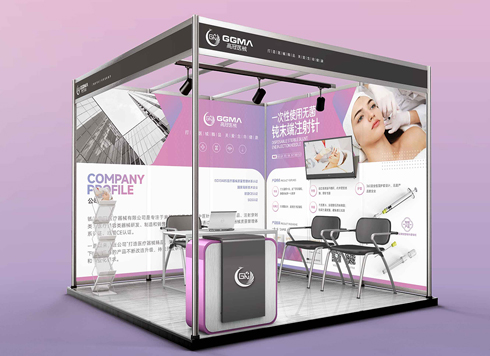 Design of Standard Exhibition Booth Posters for Beauty Instruments
Carefully designed a standard exhibition bo ...
-
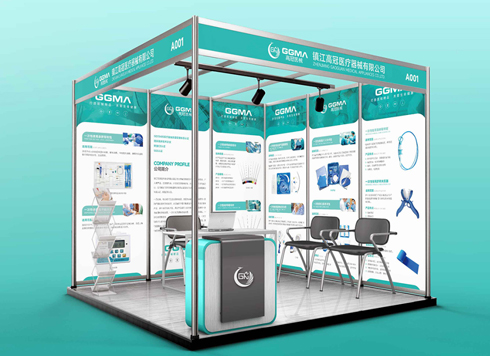 Design of Exhibition Posters for Medical Device Standards
XiYue is designing an exhibition booth post ...
-
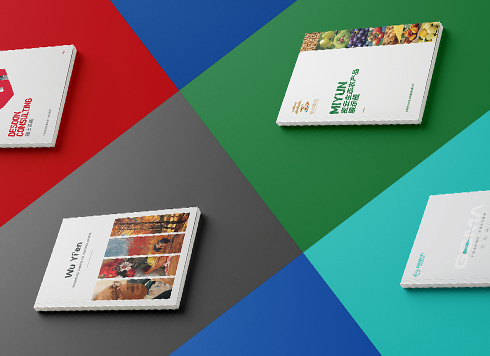 Collection of Brochure Design Cases in 2024 (Cover Series 02)
Our brochure design projects focus on diver ...
-
Evaluating and Selecting Graphic Design Projects: From Requirements Definition to Delivery Acceptance
Date: Aug 8, 2026 Read: 54
-
Client wants source files before final payment — do designers always have to hold the line? Miss these handover details and your reputation suffers
Date: Aug 30, 2026 Read: 42
-
Should You Ask for Source Files When Outsourcing Graphic Design? How Much Extra Does It Usually Cost?
Date: Aug 28, 2026 Read: 52
-
When Designing Packaging Boxes, Who Should Provide the Die Line: the Design Firm or the Printer?
Date: Aug 26, 2026 Read: 68
-
Does Using Free Fonts in Commercial Design Come with Copyright Risks?
Date: Aug 22, 2026 Read: 58