





A thin booklet starts every chapter on a right-hand page and adds 10+ blank pages—should you change the binding first or the chapter-start rule first?
Bottom line first: Based on common 2026 delivery experience, “start every chapter on a right-hand page” is not a universal hard rule in publication layout design. It mainly serves long formal publications that are often looked up or need to be bound in volumes; when thin booklets, saddle-stitched pamphlets, and internal materials copy it, the common result is 5–15 extra blank pages, crossing whole signatures, and 1–3 rounds of TOC page-number rework. A more stable approach is to set the hierarchy according to binding method and reader usage first, start only “parts/sections” on a right-hand page, and run chapters on; if the binding method is not settled yet, do not lock chapter starts to right-hand pages first.
1. What this right-hand-page rule actually solves
The right-hand page is the page on the right when you open a book; in horizontally set Chinese books, it is usually an odd page. The Western book tradition fixes chapter openings on the recto (right-hand page), so chapter starts are always on the same side when readers look things up, making index tabs, bookmarks, and volume binding easier. This tradition was carried over and gradually treated as the default move for “proper typesetting,” but it originally served lookup efficiency, not visual appearance.
The trouble is that many manuscripts do not need this kind of lookup efficiency. For a 200–300-page book that readers read from start to finish, whether a chapter starts on the left or right has little effect on reading experience; but adding a blank page after every chapter costs real pages, printed sheets, and later revision work. What really needs judging in publication layout design is whether the book's usage and binding conditions support this rule.
- Lookup benefit: in lookup-oriented publications such as textbooks, standards, yearbooks, and manuals, starting chapters on a right-hand page reduces search time.
- Volume-splitting benefit: for books that need to be bound in several volumes or continued over time, stable chapter starts make volume division easier.
- Binding impact: saddle stitching is sensitive to total page-count multiples, and the extra blanks from right-hand chapter starts easily cross signatures.
- Visual rhythm: right-hand chapter starts give each chapter opening some breathing room, but in thin booklets the blank pages can look more prominent than the body text.
2. Three checks and one calculation: decide how far down to keep the rule
Chapter-start pages are not an aesthetic choice but a structural and cost choice, so the order of judgment cannot be reversed. Settle binding first, then hierarchy, and finally calculate cost; if the order gets mixed up, one later change moves everything. A common project mistake is to start every chapter on a right-hand page based on mockups, only to find when the printer reports page count and imposition that the blanks already cross signatures.
- Check binding method and total page count. Saddle stitching commonly runs 32–64 pages, and total pages are usually rounded to a multiple of 4; thread-sewn perfect binding imposes by signature, commonly 16 or 32 pages per signature, so a few extra blank pages may add a whole signature. Ask about binding before discussing chapter starts.
- Check reader usage. For books read from start to finish, running chapters on is more compact; only for textbooks, standards, and manuals that are looked up repeatedly does the lookup value of right-hand chapter starts hold up.
- Check structural hierarchy. Starting only “parts/sections” on a right-hand page and running chapters on is a fairly common compromise in 2026 projects: it keeps the separation of major structures without adding blanks after every chapter.
- Calculate cost. Roughly estimate extra blank pages: about half of chapter starts fall on a left-hand page, an experience range of about one extra page for every two chapters; then calculate whether this crosses printed sheets, how much of the TOC and index must be redone, and how many revision rounds to expect. Writing these items into the layout specification is more reliable than a verbal agreement.
Of these four steps, the first and third are relatively easy to skip. Laying out chapter starts before binding is settled leaves the risk until prepress; if the hierarchy is not written clearly, a different typesetter taking over will follow their own habits, and at final acceptance no one can say which version counts. You can check item by item against the printer's imposition sheet and the delivery acceptance checklist.
3. How the three layouts compare: all chapters on right-hand pages, parts on right-hand pages, and all chapters running on
None of the three is absolutely better; the difference lies in what they suit and what they cost. Below is a comparison by cost, schedule, and use case; the numbers are experience ranges/typical ranges, and specifics still depend on trim size, print run, and binding process.
- All chapters on right-hand pages: neat layout and stable chapter positioning, suitable for lookup-oriented formal publications and books that need volume splitting; the cost is more blank pages, a high probability of TOC and index rework, commonly 2–4 revision rounds, and about 2–5 extra working days in schedule.
- Parts on right-hand pages, chapters running on: a compromise that keeps the separation of “parts/sections” while setting chapters continuously; suitable for textbooks and training manuals with many chapters but a thin total page count, with a smaller scope of impact during revisions.
- All chapters running on: saves pages and keeps a compact layout, suitable for novels, general readers, internal materials, and saddle-stitched thin booklets; lookup positioning is weaker and needs support from running heads and the TOC.
In terms of cost, extra blank pages typically raise per-copy cost by a few percentage points to around 10% (experience range), and the effect is more noticeable at larger print runs; but the real expense is reworking the TOC, index, and cross-references after revisions. Blank pages are just paper; rework is time and scheduling.
4. At delivery: move a chapter, and page numbers and the TOC are redone
A common project situation: an approximately 200-page training manual, two-week schedule, materials supplied in batches, with the first draft set so every chapter starts on a right-hand page. Midway, the client merged two chapters and added another; later page numbers shifted across the board, and the TOC, index, and running heads all had to be redone, with a typical rework range of 2–4 days. Later the project switched to starting modules on a right-hand page and running chapters on, so later additions and deletions affected only local areas. The cost was one upfront re-layout, but later revisions no longer affected the whole book.
This kind of rework is mostly not a typesetting-skill problem; it is that the chapter-start hierarchy was not locked down before revisions. These checks at delivery are often more useful than arguing later:
- Confirming chapter starts only from an on-screen PDF, without checking binding method and imposition sheet.
- Printing running heads and page numbers on blank pages, so the finished book looks like it has missing pages.
- Total page count not falling on the multiple required by the binding method, forcing the printer to ask for extra pages at the last minute.
- TOC page numbers generated before revisions, so they no longer match once body text moves.
- Chapter-start rules written only in chat logs, not in the layout specification file.
5. What to check at acceptance to call it acceptable
Acceptance for chapter starts does not need to rely on feeling; check the items that can be verified. A pass means the rule can be written down, pages match, and the printer can impose from it. Conversely, if acceptance only amounts to pointing at a page and saying “this blank looks bad,” the rule was never put into practice.
- Hierarchy checklist: specify which level starts on a right-hand page and which runs on, and put it in the layout specification, not just in mockups.
- Blank-page rules: whether blank pages count in pagination and whether they carry running heads, applied consistently.
- Total page count: check against the multiple required by the binding method; for saddle stitching, especially check the multiple of 4.
- TOC consistency: compare TOC page numbers item by item with actual body page numbers, and regenerate after revisions.
- Imposition check: confirm signature-spanning positions against the printer's imposition sheet or production sheet to avoid a whole blank signature.
Once these items are done, chapter-start handling can generally be considered clearly delivered. In publication layout delivery, Xiyue Company usually hands this checklist and the layout specification to the typesetter together, reducing drift when someone else takes over.
6. Where it applies and where it does not
Applies: this rule suits long formal publications: textbooks, standards, yearbooks, manuals, hardcovers that need to be split into volumes, and reference books that readers look up repeatedly. In these books, the lookup benefit of starting chapters on a right-hand page covers the cost of blank pages, and the TOC and index have stable anchors.
Does not apply: it does not suit thin booklets, saddle-stitched light printing, internal materials, manuscripts that are mainly digital, or manuscripts with frequent chapter additions and deletions. If a book has many chapters, few total pages, and is mainly read in sequence, forcing every chapter onto a right-hand page usually only adds blank pages and rework, with limited benefit. Write this boundary into the specification before layout, rather than waiting for the printer to report page counts and then changing course.
Common questions
Should blank pages carry running heads and page numbers?
A common approach is for blank pages to count in pagination but not print running heads or page numbers, keeping page turns clean; if continuous lookup within the book is needed, page numbers can be kept, but the whole book must be consistent.
If a saddle-stitched booklet starts every chapter on a right-hand page and the total page count is not a multiple of 4, what should you do?
First see whether blanks can be added together after the last chapter instead of one after each chapter; concentrating them at the back has less impact on how the book feels when flipped through and makes it easier to reach a multiple of 4.
For a thin book, should you start “parts” on a right-hand page or “chapters”?
Thin books commonly choose to start “parts” on a right-hand page and run chapters on, keeping separation between major structures without letting blank pages take too high a share; only reference books with many chapters should consider starting chapters on a right-hand page.
When should the right-hand-page rule be fixed while the manuscript is still changing?
Fix the hierarchy and write it into the specification before laying out the first draft; during revisions, adjust content only, not hierarchy. Deciding after final copy often means re-laying out the whole book, which creates more rework.
Before layout, confirm binding method, reader usage, and chapter hierarchy, then decide how far down the right-hand-page rule should apply; thin booklets and saddle-stitched pamphlets do not need to copy it. Writing the rules into the layout specification and checking item by item against the acceptance checklist saves more trouble than arguing afterward. If chapters are still likely to be added or deleted substantially, prefer the compromise of starting parts on a right-hand page and running chapters on.
-
 Booth Poster Design for Professional Monitor Product Suppliers
The standard exhibition booth poster projec ...
-
 Design of Standard Exhibition Booth Posters for Beauty Instruments
Carefully designed a standard exhibition bo ...
-
 Design of Exhibition Posters for Medical Device Standards
XiYue is designing an exhibition booth post ...
-
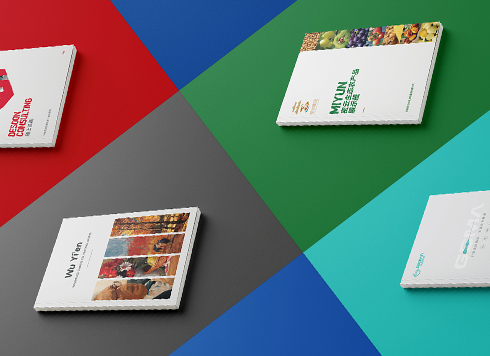 Collection of Brochure Design Cases in 2024 (Cover Series 02)
Our brochure design projects focus on diver ...
-
When I turn to the full-page image pages in a yearbook, the headers and page numbers look like they belong to a different book—is that normal?
Date: Oct 23, 2026 Read: 25
-
Single-column text with two-column figures: is a missing column-grid rule behind reflowing text every time a figure moves?
Date: Oct 11, 2026 Read: 32
-
For a book series, if you create a master first and then apply it, why does the layout still drift when someone else takes over?
Date: Oct 5, 2026 Read: 39
-
Body text one size smaller and fewer signatures: why do trial readers say they can't get into it?
Date: Sep 29, 2026 Read: 42
-
Print is already at the printer, but the ebook goes live two months later — can the earlier layout still be reused?
Date: Sep 23, 2026 Read: 45