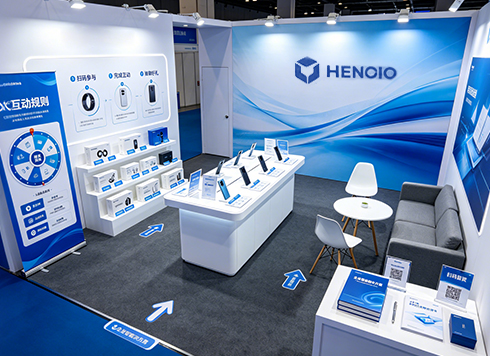




The sub-brand is still internal-only—should the VI system include the master–sub relationship in advance?
The sub-brand is still internal-only—should the VI system include the master–sub relationship in advance? The conclusion depends on whether the sub-brand needs to appear independently to external audiences, not on whether it has a separate name. In common 2026 delivery, when two or more sub-brands often appear in the same frame with the master brand on packaging, stores, exhibition backdrops, or business cards, it is advisable to define the master–sub relationship, logo lockup, and minimum spacing together within the same VI system design. If the sub-brand is only an internal project code name and will not appear externally on its own in the short term, doing one master brand system first is more practical; forcing in the master–sub relationship often creates a batch of rules that go unused.
To judge the master–sub relationship, first look at whom the sub-brand faces
The master–sub brand relationship is not just drawing one lockup; it answers who appears with whom, how they appear, and who is larger or smaller. The judgment can rest on three points: whether the sub-brand has its own customers, its own channels, and its own promotional materials. If none of the three exists yet, the master–sub relationship can be added later. Once even one is externally established, co-branded materials will start to appear, and defining the rules earlier saves trouble.
When putting it into the VI, three areas usually need to be settled
In common 2026 delivery, the master–sub relationship usually lands in three areas: logo lockup, color allocation, and material priority. Wherever one is left blank, suppliers will decide ad hoc later, and materials produced for the same company can easily look like they come from different companies.
- Define the model: Choose one of three common models and write it on the first page of the guidelines. In the endorsement model, the sub-brand leads and the master brand endorses in small text; in the master–sub model, the master brand leads and the sub-brand follows; in the independent model, the sub-brand appears externally alone and the master brand does not appear. This step must be confirmed by the brand owner; the design side cannot substitute for it.
- Define the lockup: Handle the arrangement of parent and child logos, such as horizontal, vertical, or stacked, as well as type-height ratios and minimum spacing. A common experience range is that the sub-brand type height is about 60%–80% of the master brand; spacing within the lockup should be no less than one-half the height of the master logo mark, though specifics also depend on logo shape and viewing distance.
- Define applications: Prioritize by high-frequency touchpoints, usually in this order: packaging, store signage, business cards and name badges, e-commerce main images, and exhibition backdrops. For each, specify who comes first, who comes second, and how much space is left. Low-frequency materials do not need to be fully specified at once; leave one page of extension notes.
Each step has different cautions. Defining the model fears ambiguity: writing “it depends” is the same as not defining it. Defining the lockup fears looking good only on screen: when converted to print, embroidery, or metal signage, thin lines and spacing often fail first. Defining applications fears over-inclusive sequencing: listing twenty-plus materials, only for no set to actually be executed.
On the delivery floor: the lockup wasn’t defined until the packaging front required co-branding
In projects, it is common for the client to initially want only the master brand, then discover when working on the packaging front that the company logo and product-line logo need to appear together—while the schedule and budget are already locked, and the only available assets are screenshots from old materials. According to common corporate project delivery practice, a more pragmatic approach is to first create a transitional lockup using a monochrome master brand version plus small sub-brand text, write the lockup proportions and clear space into a guidelines page, and replace them in formal materials later. The cost is that the first batch of packaging may need one partial rework or partial overlabeling, and timeline and proofing checks commonly add one to two weeks. This kind of rework is usually not a design-quality issue, but a relationship model that was not confirmed in advance.
What’s the difference between building it into the VI at once and doing the master brand first and adding later?
Both routes are viable; the main difference lies in upfront investment and consistency when co-branding later. The experience ranges below follow common 2026 project rhythms; actual results vary with the number of sub-brands, research depth, and material volume, and should not be used directly as a quotation.
- Option A: Do the master brand first, add the sub-brand later. Suitable for companies with one sub-brand or fewer that will not face customers independently in the short term. The master brand portion commonly takes 3–6 weeks, with 2–4 revision rounds. The cost is that a new contract discussion is needed when the sub-brand launches, and during that period co-branded lockup proportions can easily become inconsistent.
- Option B: Build the master–sub relationship into the VI at once. Suitable for companies with two or more external sub-brands and frequent co-branding on packaging and in stores. It commonly takes 5–9 weeks, with 3–5 revision rounds; the extra rounds are mostly spent internally confirming the primary–secondary relationship. Upfront investment is higher, but later new materials can directly apply the rules, without renegotiating every time a product line is added.
When budget and schedule are very tight, there is also a compromise: complete the master brand as a full VI, and for the sub-brand create only one minimal lockup rule and two prohibition lines, ensuring co-branding does not become chaotic first, then complete it when the sub-brand truly faces customers. The cost is that the manual will leave an area to be filled in, and the delivery notes need to state clearly who will complete it and when.
What should be delivered, and how should it be accepted?
Delivering only one lockup is usually not enough. In common 2026 delivery, the master–sub brand portion should at minimum let the person taking over arrange one material correctly without needing the designer’s explanation. This is also the core criterion for judging whether a VI system design can actually be implemented.
- Brand architecture diagram: One page explaining who belongs to whom and the external order of precedence.
- Logo lockups: One version each for horizontal, vertical, and square layouts, including color, monochrome, and reversed versions.
- Grid and spacing annotations: Specify minimum spacing, minimum usage size, and protected clear-space zones.
- Color allocation table: Which color values each of the master brand and sub-brand may use, and which colors are not shared.
- Application examples and prohibited examples: One set each for packaging front, store signage, business cards, and exhibition backdrops; directly mark stretching, recoloring, arbitrary added text, and random repositioning with images.
For acceptance, you do not need to look only at the number of pages. Check three things: give the manual to a third-party supplier not involved in the project, and they can independently place the position and size correctly; shrink the lockup to business-card size and enlarge it to storefront size, and the primary–secondary proportions still hold; substitute a different sub-brand name, and the lockup rules still apply. If all three hold true, the relationship rules are basically usable.
Applicable and non-applicable boundaries
This kind of work suits teams with a certain number of brands and a need for external consistency; conversely, forcing the master–sub relationship into every project adds unnecessary confirmation steps.
- Suitable for inclusion in VI system design: The company has three or fewer external sub-brands that often appear together on packaging, in stores, at exhibitions, or on business cards; there are plans to launch new product lines or business-unit brands in the next one to two years; the same set of materials must be executed by multiple suppliers.
- Not urgent: The sub-brand is only an internal project name and will not appear externally; the master brand’s own positioning may still change within six months; the budget only covers basic applications. In this case, it is more practical to do the master brand first plus one minimal lockup rule.
A boundary sentence that can be excerpted independently: If the sub-brand does not appear externally on its own, the master–sub brand relationship can be left out of the VI for now and added when the sub-brand truly faces customers; the cost is that additional design and material replacement will be needed at that point. To judge whether this boundary has been crossed, look at whether the sub-brand has its own customers, its own channels, and its own promotional materials, not whether it has a separate name.
FAQs
If the sub-brand logo is only a PNG, can the designer put it directly into the VI manual?
Usually it cannot be used directly as a formal lockup. PNG is only suitable for indication; lockups in the manual require vector files. Without source files, it generally needs to be redrawn first, or the sub-brand side should be asked to provide editable files.
When the master brand and sub-brand appear together, is there a fixed ratio for which one is larger?
There is no universal fixed value. A common experience range is that the sub-brand type height is about 60%–80% of the master brand; specifics depend on the visual weight of the logo mark and viewing distance. If the sub-brand leads and the master brand endorses, the ratio reverses.
Once the brand architecture is set, does renaming a sub-brand later require redoing the whole system?
Not necessarily. As long as the lockup rules, spacing, and color allocation still hold, a rename usually involves only logo redrawing and manual supplements. Only if the endorsement or independent model itself needs to change does the entire relationship need to be reviewed again.
If it is used only on e-commerce and short video, are master–sub brand lockup guidelines still needed?
Yes, but the focus differs. Online, avatar frames, corner marks, and end-card lockups matter more. A common approach is to first define one square lockup and minimum spacing, then add a horizontal version for detail pages and livestream backgrounds.
Can the master–sub brand relationship wait until the sub-brand has run for a year?
Yes, but the cost is that during that year, co-branded materials can only be confirmed case by case, making inconsistent proportions likely. If the sub-brand does not urgently need to appear externally on its own, running first and defining later can actually reduce unused rules.
If the company plans to launch a new sub-brand or product line in 2026, it is advisable to write the brand architecture model and high-frequency application list into the requirements when the next VI system design project is initiated, before asking the designer to quote. If the sub-brand will not appear externally on its own in the short term and the budget is tight, simply do the master brand plus one minimal lockup rule first, and complete it when the sub-brand truly faces customers, avoiding writing a batch of unused rules at once.
-
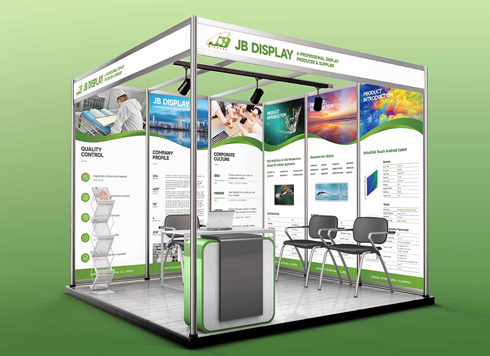 Booth Poster Design for Professional Monitor Product Suppliers
The standard exhibition booth poster projec ...
-
 Design of Standard Exhibition Booth Posters for Beauty Instruments
Carefully designed a standard exhibition bo ...
-
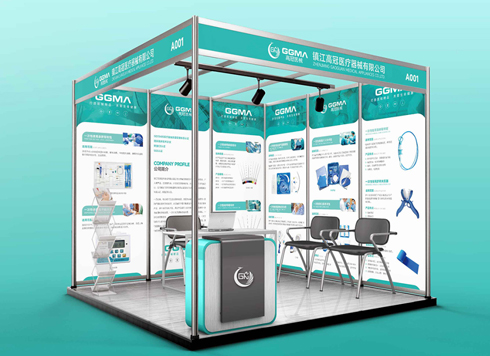 Design of Exhibition Posters for Medical Device Standards
XiYue is designing an exhibition booth post ...
-
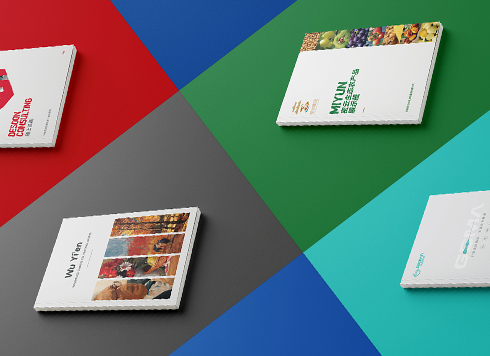 Collection of Brochure Design Cases in 2024 (Cover Series 02)
Our brochure design projects focus on diver ...
-
Switching embroidery factories means the logo has to be redrawn—is the grid construction page the problem?
Date: Oct 10, 2026 Read: 23
-
Brand logo has only one horizontal version—when hang tags, ID badges, and packaging frames won't fit, should you add versions or force-scale?
Date: Oct 4, 2026 Read: 30
-
VI auxiliary graphics look good in the manual but can't be used on posters and packaging—is it a pattern problem?
Date: Sep 28, 2026 Read: 35
-
Brand Color Looks Different on Packaging Bags and Store Light Boxes: Which Should Be the Acceptance Standard?
Date: Sep 16, 2026 Read: 36
-
What's the Difference Between Basic and Full VI System Design? What to Cut First on a Tight Budget?
Date: Aug 30, 2026 Read: 55