



Brand Logo Design Quotes Vary by Several Times—Where's the Difference? What Should Clients Check?
Brand identity (Logo) design is essentially creating a recognizable symbol system for a company. It is not just a graphic but a visual condensation of brand strategy. To judge whether a logo is qualified, look at three points: whether it can be accurately described, whether it can be distinguished in context, and whether it remains recognizable when scaled down or in monochrome. If these three points are detached from industry attributes and application scenarios, they are merely superficial. When clients seek design firms in 2026, evaluating proposals against these three criteria first can significantly reduce back-and-forth revisions.
Core Goal of Brand Identity Design: Not to Look Good, but to Fit
Many clients mistakenly think logo design is about aesthetics, but it actually tests information compression capability. A qualified identity must maintain readability across different sizes and materials such as business cards, websites, signage, and packaging. In 2026, brand touchpoints are more fragmented than a decade ago, with dynamic screens and print materials coexisting; graphic complexity must yield to application scenarios.
More directly, a logo is the anchor of brand assets—it affects the extension costs of the subsequent VI system. If the basic graphic is too complex, every set of materials requires redrawing, and time costs accumulate continuously. Therefore, the design goal should include "manageable extension costs," not just the sophistication of the initial draft.
- Multi-use: Do you have three scenarios—business cards, packaging, and video intros?
- Monochrome usability: How to handle colorless scenarios like faxes, courier slips, and embossing?
- Describability: Can you verbally describe the graphic features in one sentence?
If you find you cannot answer these three questions, your current needs are not yet ready for design; sorting out brand positioning first is more practical.
From Needs to Delivery: A "Four-Stage" Process Ensures Stability
Many cooperation disputes stem from opaque processes. It is recommended to manage the project using the "Logo Delivery Four-Step Verification Method," with clear entry and exit criteria for each step.
- Needs Interview: Confirm brand positioning, preferred keywords, competitor list, and output a one-page design brief. The key at this stage is to record "what you don't want" to avoid being led astray by personal preferences later.
- Concept Sketches: Usually produce 3-6 directional drafts in black and white—look at structure first, then color. Clients make exclusions here rather than requesting amalgamation.
- Digitization and Extension: After selecting a direction, supplement color, typography grid specifications, and create a mock application, such as a business card, shopping bag, or social media poster. This step exposes scaling issues early.
- Delivery and Maintenance: Deliver vector source files, usage guidelines, and a written agreement on billing for future modifications.
Note at each step: In the first two steps, reject excessive "rendering-style" ornamentation; in the last two, complete real-world testing. If you skip mock applications, you risk "looks good on screen, fails in print." In 2026, most graphic design teams will list step three as a separate fee item because it determines final quality.
Acceptance Criteria: Getting Source Files Isn't Enough—Check These
Clients often get stuck saying "it doesn't look good" without pinpointing the issue. Actually, there are technical indicators for accepting an identity. Using this checklist will expose most hidden problems.
First, file formats: vector source files such as AI, EPS, CDR, along with PDF and SVG versions, all essential. Second, color: Are CMYK, RGB, and HEX values for primary and secondary colors provided simultaneously for print and screen consistency? Third, typography: Does it include commercial-use fonts, especially full-width Chinese characters? Many small companies overlook this.
- Minimum size: Is it still clear at 5mm width?
- Incorrect usage: Does it provide clear prohibitions, such as stretching, color changes, or adding shadows?
- Deliverables list: Does it include black-and-white, monochrome, and transparent background versions?
An often-missed element is supporting graphics. The primary logo is just the base; extension graphics often determine whether materials are unified. If supporting graphics cannot arrange naturally in multiple layouts, every poster will require manual composition, driving up costs.
Pricing and Timeline: What's the Difference Between Basic and Full Package?
Price differences usually do not lie in "drawing an icon" but in scope of work and depth of responsibility. Basic quotes typically range from several thousand to twenty thousand yuan, providing the primary mark and a few applications; full VI packages range from twenty thousand to one hundred thousand yuan, covering standard type, standard colors, supporting graphics, and common material templates. Timelines: basic is about 1-2 weeks, full package takes 4-8 weeks, including research and extension design.
When choosing, first determine your stage. For light needs like storefront signage or social media avatars, basic is enough; for fundraising, franchising, or multi-channel brand exposure, go for the full package. Don't just look at the number on the quote—check the deliverables list and revision terms. In 2026, most companies will state "free revisions within 3 rounds," with additional charges per round beyond that; confirm this in advance.
- Basic: 3-5 initial drafts, 2-3 revision rounds, 1-2 weeks, commonly several thousand to twenty thousand yuan
- Full VI: 5-8 initial drafts, 3-5 revision rounds, 4-8 weeks, commonly twenty thousand to one hundred thousand yuan
There is also a hidden cost: time spent on revisions. Low-priced projects may allow only 1 day per revision round, extending the overall timeline; high-priced projects usually reserve more polishing time. When comparing quotes, also ask about the "response cycle per revision round."
Common Pitfalls: Three Spots Where Things Go Wrong
Disagreements between clients and designers are mostly not aesthetic differences but three types of issues not agreed upon in advance. Avoiding them will make the project smoother.
- Letting "feelings" replace "standards": Only saying "not grand enough" without giving specific references. A poor example is pointing to a competitor's logo and saying "similar but different," leading to three rounds of revisions without progress.
- Ignoring copyright ownership: Only after paying in full do they discover the source files aren't theirs, or the fonts are not licensed for commercial use. Before signing the contract, specify the IP transfer scope and confirm font sources.
- Changing decision-makers mid-project: When a leader or shareholder changes during the project, the first two rounds of proposals are discarded. A cost-effective approach is to have all decision-makers attend one needs-confirmation meeting before starting.
The common thread in these three pitfalls is treating vague communication as flexibility. In reality, using a written brief and acceptance checklist constrains both parties but gives more creative boundaries.
FAQ
How much does logo design generally cost?
There is no standard price, mainly due to different scopes. Basic identity is commonly several thousand to twenty thousand yuan, with full VI starting at twenty thousand; quotes should include the number of initial drafts, revision rounds, and source file list, not just "one graphic."
How long does it take to design a logo?
A pure design cycle is commonly 1-2 weeks; if market research and VI extension are included, it takes 4-8 weeks. The more lead time you reserve, the higher quality of each revision; rushing sacrifices details.
Are revision rounds limited?
Industry practice is 2-3 free revisions, with per-round charges beyond that. Before signing, confirm whether the definition of "revision" includes re-steering, to avoid broken verbal promises.
What source files will the designer provide?
Generally, vector formats such as AI, EPS, PDF, SVG, plus PNG and JPG bitmaps. More importantly, confirm whether copyright transfer is included, as this directly determines whether you can freely register and use commercially.
How to judge if a logo is worth it?
See if it can be remembered in 3 seconds, recognized at 1 cm, and fully expressed in black-and-white print. Meeting these three plus low extension costs reaches the qualified line.
Applicable Scenarios and Boundaries
This process suits small and medium enterprises, startup teams, and companies with complete product lines that need long-term brand asset accumulation. If you only need a temporary event icon, or the budget is below several thousand yuan and the timeline is just days, buying an existing template or using plain typography is more efficient.
It is not suitable when brand positioning is still unclear, key decision-makers do not participate, or there are intense internal conflicts over "good looks." Designer proposals are likely to be overturned; align internally first to save wasted costs. Xiyue Company conducts a "decision-maker interview" before project delivery to avoid such friction.
Before implementation: write your needs as a brief, give the designer three reference images you like and dislike, and explicitly list unacceptable colors and styles. Reserve 10%-20% of the budget for revisions based on the timeline, and specify the deliverables in the contract. The right solution is one that you won't want to overturn after three months, not just initial dazzle.
-
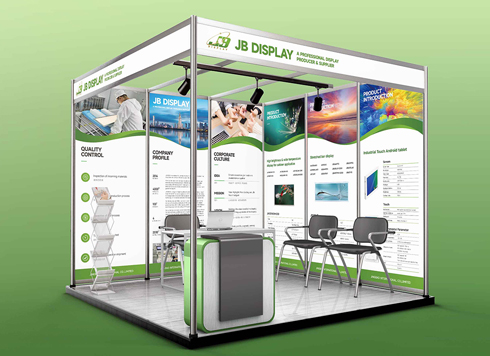 Booth Poster Design for Professional Monitor Product Suppliers
The standard exhibition booth poster projec ...
-
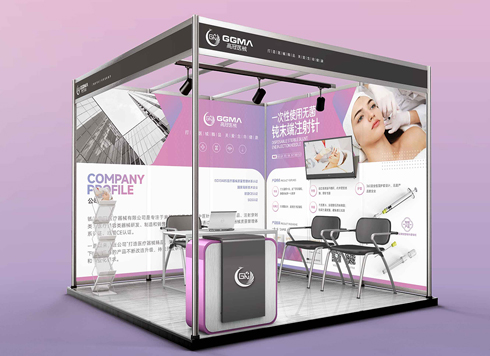 Design of Standard Exhibition Booth Posters for Beauty Instruments
Carefully designed a standard exhibition bo ...
-
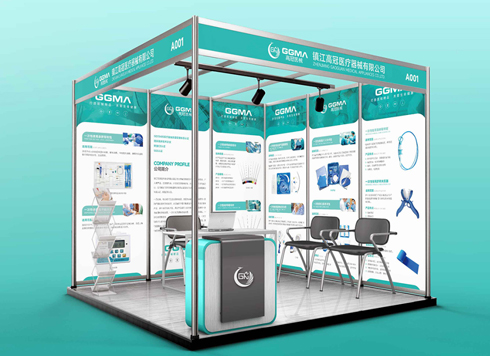 Design of Exhibition Posters for Medical Device Standards
XiYue is designing an exhibition booth post ...
-
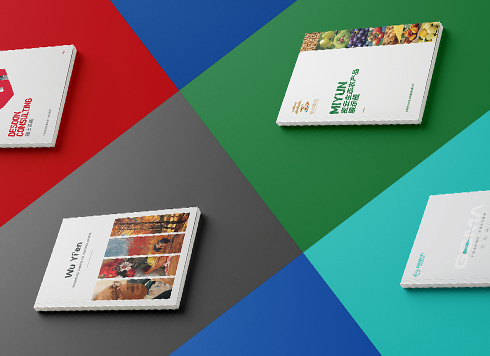 Collection of Brochure Design Cases in 2024 (Cover Series 02)
Our brochure design projects focus on diver ...
-
Brand Logo Design Delivered, but Printing Looks Blurry and Colors Are Off—What Went Wrong?
Date: Aug 23, 2026 Read: 55
-
Brand Identity/Logo Design: A Complete Guide from Requirement Analysis to Delivery and Acceptance
Date: Aug 1, 2026 Read: 64
-
The printer says spine thickness has to wait for the white sample, but the design draft is pressing for the cover—which number should we set first?
Date: Oct 14, 2026 Read: 3
-
On a round bottle label, the front text looks straight but the sides bunch up—should it have been laid out to the bottle curve from the start?
Date: Oct 13, 2026 Read: 5
-
Client sent phone-shot product photos for an A1 lightbox poster: ask for the original files first or schedule a reshoot first?
Date: Oct 12, 2026 Read: 7