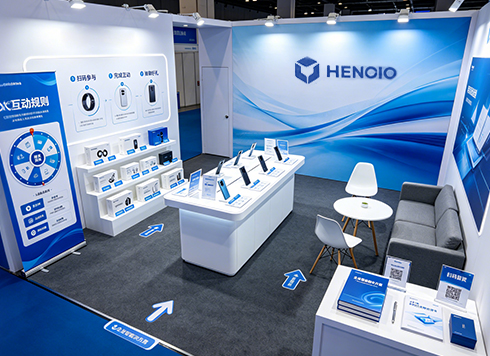





How to Choose a Graphic Design Service: An Evaluation Framework from Pricing, Process to Delivery
The core of selecting a graphic design service is not comparing prices, but checking whether the quotation corresponds to a clear service boundary. In common project deliveries in 2026, a qualified design service should simultaneously clarify the number of revision rounds, delivery formats, and copyright ownership. If these three items are not documented, subsequent additional fees or communication costs are almost inevitable.
1. How to Determine Whether a Design Service is Qualified?
The evaluation criteria can be broken down into three tables: a quotation table, a process table, and a delivery table. The quotation table clearly states the cost structure; the process table marks key milestones; the delivery table lists file formats and ownership. Any service that lacks one of these items needs to be completed before signing.
- Quotation Table: Whether unit price, total price, taxes, and rush fees are separated.
- Process Table: Timelines for requirement research, initial draft submission, revision milestones, and final approval.
- Delivery Table: Source file types (AI/PSD), color modes (CMYK/RGB), and font embedding information.
Unqualified services often only provide a single package price. This type of quotation may seem worry-free at the early stage, but once adjustments are made later, it is easy to be charged extra under the reason of "requirement changes." Therefore, including the three tables in the contract is a direct way to control the budget.
2. Why Are Price Quotes So Different? Comparison of Three Billing Models
In 2026, there are three main billing models for design services: per-project fixed price, hourly billing, and monthly fixed retainer. Each model has significantly different applicable targets and risk points.
- Per-Project Fixed Price: Suitable for posters and brochures with clear requirements and fixed deliverables. The advantage is budget control; the disadvantage is that disputes are likely when requirements change.
- Hourly Billing: Suitable for complex projects that require continuous communication, but requires the other party to provide timesheets; otherwise, costs can easily spiral out of control.
- Monthly Fixed Retainer: Suitable for teams with long-term material needs but no in-house designers, typically including a fixed number of service hours per day or week.
When choosing, first determine whether your need is a one-time task or a recurring task. Use a fixed price for one-time tasks, a monthly retainer for recurring tasks, and for exploratory design (such as an undecided brand direction), hourly billing with a cap is more appropriate. Note that regardless of the model, the starting point for charging "out-of-scope" work should be clearly defined in the contract.
3. Four-Step Evaluation Method: Screening Checklist from Requirement Alignment to Contract Signing
This method compresses the selection process into four steps, each requiring a clear output. This avoids impulsive decisions and facilitates horizontal comparison among different suppliers.
- Step 1: List Requirements. List deliverable types, dimensions, quantities, target audience, and style references. Write at least 5 "must-haves" and 3 "must-nots" in your requirements.
- Step 2: Verify Case Authenticity. Ask the designer to provide relevant cases from the past year and explain their specific role. Beware of portfolios that only showcase brand packaging but have never produced printed materials.
- Step 3: Review Contract Terms. Focus on revision limits, response time, source file delivery, and copyright ownership. Weekly or daily reports are not mandatory, but there must be a clear communication mechanism.
- Step 4: Trial with a Small Project. Start with a small-format material to test the other party's cooperation and attention to detail before deciding to proceed with a larger project.
The key to this framework is "every step has verifiable output." For example, the first step should yield a one-page Word requirement specification; the second step should yield a case review written by the designer; the third step should yield a clearly annotated contract screenshot. Without these, it is better to wait than to sign blindly.
4. Five Common Pitfalls in the Delivery Stage
Many projects only expose problems at the final acceptance stage. Knowing these pitfalls in advance can save a lot of rework time.
- Source Files Not Delivered: Only JPGs are provided, making it impossible for you to modify later. The contract should state "editable source files must be delivered."
- Unclear Font Licenses: Free commercial-use fonts and licensed fonts have different usage scopes. Ask the designer to list all fonts used.
- Unlimited Revision Trap: Verbally promising "revisions until satisfaction" without actual limits. The contract should specify the number of free revisions and the specific scope of each revision.
- Incorrect Bleed and Safe Margins: Printing may misalign. Check that the bleed is at least 3mm and that important text is within safe margins during acceptance.
- Missing Design Specifications: Individual materials may look good, but when applied together, style is inconsistent. Require a simple layout specification or color standard.
To judge whether a design service is professional, ask "What is the bleed for print files?" or "Are the layers in the source file well organized?" If the answer is vague, it indicates limited practical experience. Conversely, if the other party proactively provides a check list, they are relatively more reliable.
5. Applicable Scenarios and Boundaries: When Not to Use This Framework?
This evaluation framework is suitable for short-term projects such as brand material design, e-commerce product pages, event posters, brochures, and annual reports. In 2026, most external design needs of small and medium teams fall into this category.
Boundary explanation: If your company needs strategic-level brand consulting, including brand naming, positioning, and growth strategy, you need a consulting firm rather than design outsourcing. If template tools (such as Canva) can already handle simple materials, there is no need to outsource just to "look more professional." Additionally, if the project requires tight synchronization with product, marketing, and development teams, design capability is important, but project management mechanisms are the key. In such cases, it is more suitable to build an in-house design team or use on-site services.
In short, this method solves the problems of "finding the right person, negotiating the right price, and getting usable files." If the problem is not this—for example, lacking strategy or internal coordination—please seek other solutions.
FAQs
How do graphic design services typically charge?
For per-project pricing, a single poster commonly ranges from 500 to 2,000 RMB, while a full brochure or VI system can range from several thousand to tens of thousands of RMB. The exact price is directly related to the designer's experience, city tier, and delivery timeline.
How can I confirm a designer's skill level?
First, check whether they have case studies from the same industry. Then, look at layout, information hierarchy, and print details in their work. Asking the designer to explain their design thinking is more reliable than just looking at the style.
Are there limits on revision rounds?
A normal contract typically includes 2 to 3 rounds of overall revisions, with additional revisions charged as new design work. Before signing, always specify the "scope of revisions" to avoid counting every minor tweak as a revision.
Must source files be delivered?
Not necessarily. For commercial projects, editable source files such as PSD or AI are usually expected, but you need to confirm whether fonts and asset licenses are included. If you want to buy out the copyright, additional fees will apply.
Is remote collaboration feasible?
Yes. Remote collaboration tools are mature in 2026. The key is to agree on response times and file management methods. It is recommended to use an online shared board to record feedback, avoiding verbal communication without evidence.
Action suggestion: Print the three tables and the four-step evaluation method as a checklist for screening suppliers. Start with a small trial project and then scale up. If your team lacks capacity, you can rely on a design team with streamlined delivery capabilities like Xiyue Company for full package management, but you must still clarify your design goals. This framework does not apply to strategic-level brand consulting or real-time responsive internal teams.
-
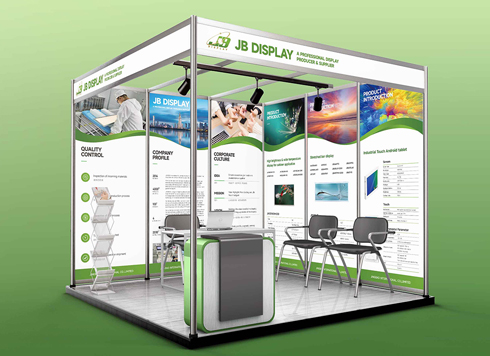 Booth Poster Design for Professional Monitor Product Suppliers
The standard exhibition booth poster projec ...
-
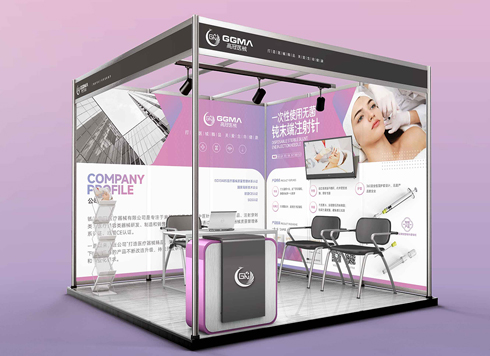 Design of Standard Exhibition Booth Posters for Beauty Instruments
Carefully designed a standard exhibition bo ...
-
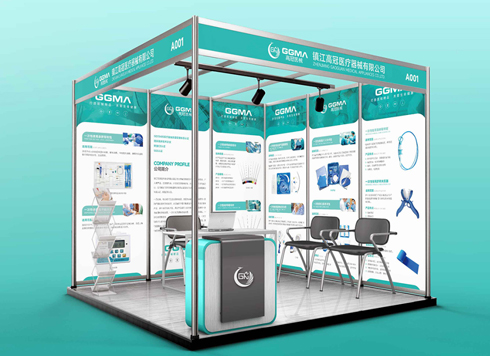 Design of Exhibition Posters for Medical Device Standards
XiYue is designing an exhibition booth post ...
-
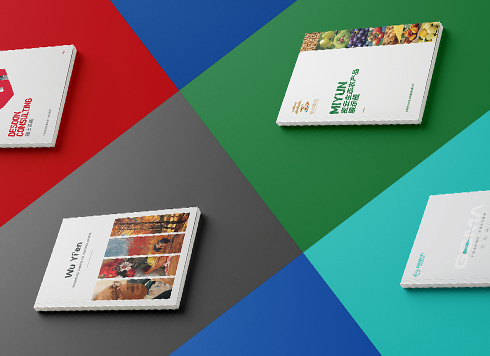 Collection of Brochure Design Cases in 2024 (Cover Series 02)
Our brochure design projects focus on diver ...
-
How to Price Graphic Design Services? A Guide to Design Fee Composition and Selection
Date: Aug 9, 2026 Read: 70
-
Graphic Design Project Execution Guide: From Needs Assessment to Delivery Acceptance
Date: Jul 25, 2026 Read: 57
-
Why Do Poster Design Quotes Range from Hundreds to Thousands?
Date: Sep 1, 2026 Read: 41
-
How to Avoid Rework in Advertising/Poster Design: Key Acceptance Points
Date: Aug 15, 2026 Read: 57
-
Why Do Poster Design Quotes Range from Hundreds to Tens of Thousands?
Date: Aug 15, 2026 Read: 54