



The same 300-plus-page book is fine for internal handout but comes unglued as a store reference book—should binding be decided by how it is read?
The same 300-plus-page book may be fine for internal handouts and occasional flipping, but when it is placed in a store as a reference book and pressed flat every day, the spine can come unglued first. The problem is usually not just page count, but whether the binding method was chosen for how the book is read. Based on common 2026 delivery experience, deciding whether a thick book needs sewing mainly depends on four variables: actual spine thickness, text paper gsm and stiffness, reading frequency, and expected shelf life. For internal materials, low-use books, and tight timelines, perfect binding is often enough; for textbooks, reference books, and books that need to lie flat often, sewn perfect binding is more reliable. The cost of getting the binding method wrong is often not the design fee, but re-laying out the spine, redoing the cover, and reworking the entire batch.
Perfect binding and sewn perfect binding: the difference is not just one extra step
Perfect binding, also often called adhesive binding, usually involves collating, spine milling, roughing, hot melt gluing, and cover wrapping; the strength between pages and cover mainly comes from the glue layer. Glue is applied to the spine edge. The higher the paper gsm and the thicker the coating, the less easily glue penetrates the paper fibers, and stress tends to concentrate at the edge of the glue layer. When a thick book is repeatedly opened and pressed flat, signs of ungluing often appear first on the fore-edge side.
Sewn perfect binding adds a sewing step: the book block is first sewn by signature with thread, then glued and cover wrapped. The load-bearing structure shifts from mainly glue to thread holding the signatures and glue fixing the whole. Individual pages are less likely to fall out as complete sheets, and the finished book lies flatter more easily. When the same book changes binding method, the difference in spine feel and page-turning lifespan usually comes from this.
- Saddle stitch: common for low-page-count booklets; signatures are nested and fixed with staples, the middle lies flat easily, but the spine bulges as page count increases.
- Perfect binding: a common choice for medium-thickness books and magazines; cost and lead time are relatively controllable, but thick books do not lie flat, and the fore edge bears stress over time.
- Sewn perfect binding: better for thick books and high-frequency reading; it adds collating, sewing, and flattening steps, with higher cost and longer lead time.
- Hardcover: adds a hard case, endpapers, and headbands on top of sewing; common for reference books and publications that need long-term preservation, with higher weight and cost.
Do not just count pages—run through 'thickness, paper, reading, storage'
Page count is only the roughest indicator. Two 300-plus-page books with different paper and reading scenarios may lead to opposite conclusions. Running through the four questions—thickness, paper, reading, storage—can first clarify what can be checked and separately leave what the client needs to decide.
- Thickness: calculate the actual spine thickness, not just count pages. For the same 300 pages, a text stock of 70 gsm offset paper versus 128 gsm coated paper can produce a noticeably different spine thickness; in experience, 250 to 300 pages is a gray zone, and the heavier the paper, the more it should lean toward sewing.
- Paper: text papers with higher gsm, greater stiffness, and heavier coating create more resistance to lying flat, concentrate stress in the glue layer, and make thick books more likely to come unglued first. Folding and pressing a paper sample is usually more intuitive than only reading a spec sheet.
- Reading: reading frequency is the divide. Reference books and textbooks that are often spread open and held down, repeatedly read, or photocopied need sewing more than internal materials distributed once.
- Storage: whether there will be reprints, additional print runs, and long-term preservation expectations. For books that will be reprinted repeatedly, getting the binding method right in the first edition is much less troublesome than changing the layout and re-laying out the spine midway.
The first two questions can be checked through paper samples and spine calculations; the latter two are usage requirements and usually need the client to answer. The design side should not assume for the client that 'no one will flip through it anyway', nor assume that 'sewing is always required'.
Quoting the same book separately is more useful than comparing only the total price
When the same book changes binding method, the quote difference usually comes not from the cover but from binding processes and production scheduling. Compare across four dimensions—process, cost, lead time, and suitable use—rather than only comparing the total price.
- Process: perfect binding commonly includes spine milling, gluing, and cover wrapping; sewn perfect binding adds collating, sewing, and flattening; hardcover adds case making, casing-in, hinge creasing, and other steps.
- Cost: for the same book, sewn perfect binding usually has a higher per-copy binding cost than perfect binding; the experience range varies with print run, number of signatures, and page count. Binding cost as a share of total cost is diluted as the print run rises and is more noticeable in small batches.
- Lead time: the extra binding steps lengthen production scheduling; in experience, several days to about a week longer than perfect binding is common. Hardcover usually takes longer because of case making and flattening.
- Suitable use: perfect binding suits materials with moderate page counts, infrequent reading, and tighter timelines; sewn perfect binding suits thick books, frequent reading, and books that need to lie flat; hardcover suits publications that need preservation and display.
Binding cost is generally priced by number of signatures, page count, and print run, so estimating with 'cost per page' is often inaccurate. A more reliable approach is to ask the printer to quote perfect binding and sewn perfect binding separately from the same specification sheet, then see whether the difference is worth paying for the reading scenario.
On the production floor: binding method often gets changed back after proofing
A common situation in projects: the client's budget and timeline are both tight, the manuscript is around 400 pages, the text uses coated paper, the cover has matte lamination, and production was initially scheduled with perfect binding. After proofing, a page-turning test was done. In less than two days of turning, the spine ends began to wrinkle and signs of ungluing appeared at the fore edge, so the job had to be changed to sewn perfect binding on short notice. The binding lead time increased by about a week, and the cover spine thickness had to be recalculated. This kind of rework is not a problem with the design file itself, but because the binding method was not confirmed before proofing according to paper gsm and reading scenario. The order to check at delivery is: first decide the binding method, then decide spine thickness, and finally the spine text and cover dimensions; if the order is reversed, the same batch of files often has to be changed. Based on common 2026 delivery schedules, moving this step before proofing is usually less troublesome than fixing it after the finished product is out.
Pre-delivery inspection: what can be checked and what the client needs to decide
For binding quality, inspection should not rely only on appearance. Check item by item below, and when sampling, take several copies rather than only flipping through the one in hand.
- Page-turning test: open and close the finished book several dozen times in succession; the spine should not come unglued or wrinkle, and no interior pages should fall out as whole sheets.
- Spine condition: straight, with no obvious hollow glue, bubbles, or glue strings; for hardcover, the squares on three sides should be roughly even.
- Lay-flat performance: press down on a text spread; sewn perfect binding usually can lie nearly flat; perfect-bound thick books commonly have some springback but should not feel like they are breaking.
- Trimming and pagination: cut edges should be neat and page numbers continuous; if pagination is abnormal, first check whether it is a layout convention issue or a binding collating issue.
- Cover crease: the spine crease position should correspond to the actual book block thickness; after lamination, the crease should not blister or crack at the edges.
Common pitfalls are fairly concentrated: deciding the binding method only by page count and ignoring paper gsm and grain direction; checking only appearance at proofing without a page-turning test; calculating the hardcover case by full page size without deducting the squares, resulting in uneven three sides on the finished book; and failing to reserve spine text width according to actual spine thickness, so any paper change or binding change requires a full re-layout.
Applicable and non-applicable boundaries
Situations where sewn perfect binding or hardcover should be considered first: text over 300 pages, high reading frequency, need to lie flat, reprints or long-term preservation expected, and textbooks, reference books, and collectible publications intended for long-term customer use.
Situations where sewing is not necessary: one-time internal materials, low page counts (in experience, within 100 pages), very little reading, very tight timelines and budgets, or trial print versions whose content may still change substantially. Perfect binding is usually more cost-effective for these books; putting the budget into paper and text printing is often more practical than piling it into binding. Based on common 2026 practice, the binding method should be locked before proofing and written into the specification sheet, rather than waiting until the finished product feels wrong and reworking it.
Frequently asked questions
Will the same 300-plus-page book always fall apart with perfect binding?
Not necessarily. Whether it comes unglued depends on paper gsm, reading frequency, glue type, and use environment. Perfect binding is often enough for internal materials that are rarely opened; thick books that are often pressed flat are more likely to have problems.
How much more expensive is sewn perfect binding than perfect binding?
There is no fixed number; the experience range varies with print run, number of signatures, and page count. In small batches, the share of binding cost is more noticeable. It is easier to compare if the printer quotes perfect binding and sewn perfect binding separately from the same specification sheet.
Saddle stitch, perfect binding, and sewn perfect binding: a rough choice by page count?
In experience, saddle stitch is common within 100 pages, perfect binding is common from 100 to 250 pages, and books over 300 pages or needing frequent lay-flat use should prioritize sewn perfect binding; the middle range still depends on paper and use.
Can a sewn perfect bound book lie completely flat?
It usually lies flatter more easily than perfect binding, but with high-stiffness paper and a thick spine, there will still be some springback. To get close to completely flat, it often needs to be combined with hardcover or adjusted text-block margins.
When is a good time to decide the binding method?
It should be locked before proofing and written into the specification sheet and inspection checklist. Changing it after the finished product feels wrong often requires re-laying out the spine and redoing the cover, usually at a higher cost than confirming earlier.
One practical first step: write spine thickness, text paper, and reading scenario as a one-line process note and give it to the printer for separate quotes on perfect binding and sewn perfect binding. Sewing suits books that are thick, frequently read, and need to lie flat; one-time materials, low-page-count books, and tight-timeline jobs do not need to force it. The binding method should be locked before proofing and written into the delivery inspection checklist for item-by-item checking.
-
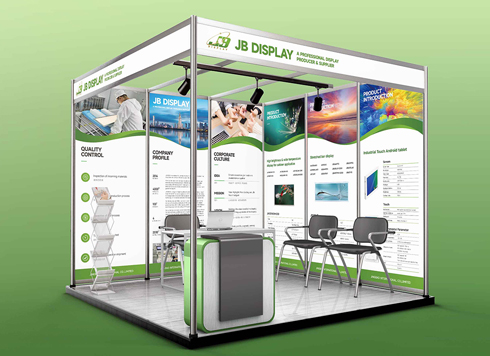 Booth Poster Design for Professional Monitor Product Suppliers
The standard exhibition booth poster projec ...
-
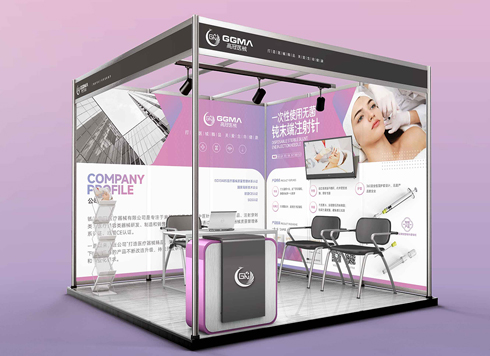 Design of Standard Exhibition Booth Posters for Beauty Instruments
Carefully designed a standard exhibition bo ...
-
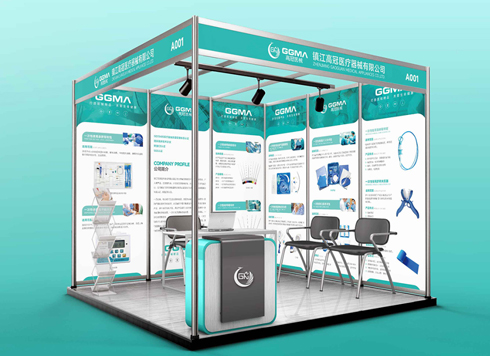 Design of Exhibition Posters for Medical Device Standards
XiYue is designing an exhibition booth post ...
-
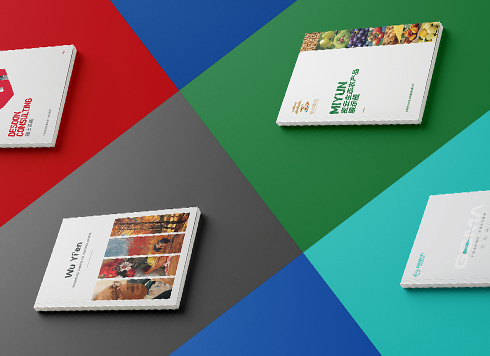 Collection of Brochure Design Cases in 2024 (Cover Series 02)
Our brochure design projects focus on diver ...
-
My saddle-stitched brochure ends at 30 pages and the printer insists on 32 — should I add the two blank pages?
Date: Oct 2, 2026 Read: 18
-
Printing Process, Paper & Binding: Is the Extra Cost of Proofing Worth It? What to Check Before Receiving Your Order?
Date: Aug 22, 2026 Read: 50
-
How to Handle Printing Processes and Paper Binding? A Complete Guide from Paper Selection to Binding
Date: Aug 6, 2026 Read: 60
-
The printer says spine thickness has to wait for the white sample, but the design draft is pressing for the cover—which number should we set first?
Date: Oct 14, 2026 Read: 3
-
On a round bottle label, the front text looks straight but the sides bunch up—should it have been laid out to the bottle curve from the start?
Date: Oct 13, 2026 Read: 5