



Is Prepress Proofing Worth It for Graphic Design? What's the Difference Between Digital Proofing and Press Proofing?
Prepress proofing is not mandatory, but it is not optional either. Based on 2026 project delivery practices, judging "worth it or not" only depends on three points: whether the material has special processes, how strict the color accuracy requirement is, and how costly a reprint after revision would be. Digital proofing only verifies color and layout, while press proofing verifies process and actual printing effects; with a limited budget, most graphic design projects can use digital proofing combined with the printer's press pass, not every time needing press proofing.
What Problem Does Prepress Proofing Actually Solve?
Proofing essentially pulls the graphic design file from the virtual interface back to a physical medium, exposing problems that are invisible on screen in advance. Common pitfalls include clogged shadow details, spot color deviations, paper absorption causing colors to turn gray, and misregistration of processes like foil stamping, UV coating, or lamination. In projects, it's common for clients to hold a digital proof and say "the color is wrong," but the digital proof and the final product inherently have material differences, which need to be explained upfront.
Proofing is not to make the result look prettier, but to make risks predictable. For a brochure, business card, or roll-up banner, digital proofing is usually sufficient; but for hardcover albums, packaging boxes, or brand materials, press proofing is often a hard threshold before signing a contract. Taking the common printing workflow in 2026 as an example, after the design is finalized, a PDF or TIFF is output, and the printing house will first do imposition and color conversion. If this proofing step is missing, only then do you discover that black overprints look like dark gray, or four-color black smudges into a mess, making rework costs high.
What's the Difference Between Digital Proofing and Press Proofing?
The two are not about "which is better," but rather different fulfillment scenarios. Digital proofing uses inkjet printers to simulate on similar paper, with short lead time and low cost; press proofing uses actual printing presses and inks to run a finished product, which can reproduce halftone dots, overprinting, and spot colors, but the lead time and cost are considerably higher.
- Lead time: Digital proofing commonly takes 1-3 hours for pickup; press proofing depends on the printing house schedule, typically 2-5 days, with extra charges for rush orders.
- Cost: A digital proof for A3 commonly costs tens of yuan; a press proof starts at several hundred to several thousand yuan, calculated by paper, sheet size, and make-ready fee.
- Color accuracy: Digital proofing can only approximate the final color, with limited reproduction of ink overprinting and metallic spot colors; press proofing directly shows the actual ink layering and overprint effects.
- Process reproduction: Digital proofs cannot show the three-dimensional effect of foil stamping, UV, or embossing; press proofs can match the actual process plates.
- Applicable objects: Digital proofs are suitable for checking composition, layout, and text proofreading; press proofs are suitable for color-critical final files, new product packaging, and exhibition materials.
The core logic of this division is: first ask "what is this proofing meant to verify?" If only verifying layout, spending twenty times more on press proofing is a waste; if verifying material and process, skipping the press proof step could make later rework costs far higher than the proofing fee.
Additionally, in 2026 many printing houses offer remote digital proofing, allowing clients to confirm layouts through online soft-proofing apps; this approach suits rush orders but cannot replace physical proofing. Because the screen color gamut is larger than printed matter, spot colors, fluorescent colors, and foil effects cannot be truly rendered, so it can only serve as preliminary confirmation. From the graphic design delivery standard, press proofing is closer to "acceptance", while digital proofing is closer to "preview". The experience range is: proofing costs account for 5%-15% of the total printing cost of the project. If your total project cost is low, you can simply do a digital proof; conversely, press proofing is more worth the investment.
Applicable Scenarios and Boundaries: Three Cases Worth Proofing, Two Cases Can Skip
Based on delivery experience, proofing is recommended in the following situations; otherwise, skip it if possible.
- Worth proofing: Involving special processes (foil stamping, UV, embossing, die-cutting); product packaging or external promotional brochures where color differences directly affect the brand; high unit price, large quantity, such as over 100,000 copies, where one mistake incurs high costs.
- Worth proofing: Using unfamiliar new paper, or the design has large areas of spot colors or dark backgrounds; such content cannot be distinguished on screen, but prints can easily look "muddy" or "muddy."
- Can skip: Internal documents, temporary materials, single-sided black-and-white printing; these uses have low color and process requirements, so digital proofs or directly checking the PDF is sufficient.
- Can skip: Extremely tight budget and revision time within one week, while the supplier is a long-term partner whose color standards have been harmonized; in this case, press proofing can easily delay the schedule.
Skipping proofing does not mean not checking samples. A more prudent approach is to ask the printing house to sign a "press sheet" during the official run, verifying while printing and adjusting ink in time when deviations are found. It should also be noted that proofing is "checking against the original," not "beautifying." If the design itself has unbalanced composition or overly small font sizes, proofing cannot save it. Proofing only allows the designer to see what will happen under real printing conditions, thereby deciding whether to adjust color separation, bleed, or process parameters.
Should You Proof During Project Delivery? Use the "Three-Step Verification Method"
According to 2026 graphic design project delivery practices, judging whether to proof does not need to rely on feelings; you can verify item by item following the steps below. This framework puts "material attributes" first because many reworks stem from only looking at price without first examining material requirements.
- Step 1: Check if the material has "post-press processes." If there is foil stamping, UV, embossing, or die-cutting, do at least one digital proof to confirm positions, then do a partial press proof to verify the process. If no post-press process, go directly to Step 2.
- Step 2: Assess the impact of color differences. For brand VI, packaging, food and beauty materials, press proofing is recommended; for ordinary DM flyers, posters, and roll-ups, digital proofs are enough.
- Step 3: Consider the cost of revision and reprint. For single-sheet printing costing a few hundred yuan, reprinting after an error is not painful, so proofing can be ignored; for hardcover albums or large-quantity packaging, reprint costs including design, plate making, paper, and labor far exceed the proofing fee, so proofing is necessary.
The three-step verification method seems simple, but common failure cases all stem from skipping Step 1: a foil stamping position is placed in the design, but without proofing it goes directly to press, resulting in the foil shifting 2 millimeters and the entire batch being scrapped. Such problems cannot be seen on screen; only a physical proof can hold up. In projects, it's common for clients to cut the proofing fee and have the printing house print directly from the file; if the file happens to have large dark background areas, overprinted ink easily looks dull, leading to re-plate making, which delays the schedule and adds another make-ready fee. During delivery, first calculate: the proofing fee usually accounts for only a few percent of the overall printing cost, yet it can prevent whole-batch rework.
Frequently Asked Questions
Is it normal for the digital proof to be inconsistent with the design draft's color?
Normal. Monitors emit RGB light, while printing uses CMYK ink absorbing light; the two color modes differ, and a digital proof is only "approximate," not "exactly the same."
What is a low-cost verification method before large-scale printing?
First do a digital proof to confirm the layout, then ask the printing house to sign a press sheet on the actual press, adjusting while printing; usually you don't need to pay the full proofing fee.
How long does press proofing take? How much extra does it cost?
Based on common scheduling in 2026, press proofing takes 2-5 days and costs several hundred to several thousand yuan, depending on make-ready fees, paper, and processes; rush orders are typically marked up 30%-50%.
Can special processes (foil stamping, UV) be seen in a digital proof?
No. A digital proof can only indicate position and size; the metallic feel and embossed texture cannot be reproduced. For process effect confirmation, at least a partial press proof or simulation sample is needed.
Can the design still be changed after proofing?
Yes. Proofing is meant for finding errors. But every change adds time and cost, so try to complete layout, text, and color confirmation before proofing to reduce iterations.
Action suggestion: First screen through the "Three-Step Verification Method," then make a decision. Digital proofing suits checking layout and color trends; press proofing suits checking processes and final color differences. Remember, proofing cannot solve problems inherent in the design itself, nor can it replace the printer's press pass. If you are working on low-unit-cost, tight-schedule daily materials, a digital proof is enough; if it's a brand brochure, packaging, or exhibition key visual, the press proofing cost is not recommended to be saved. If you need further quotation or process verification, you can directly ask the printing house to provide proofing quotes and schedules, and compare within the experience range.
-
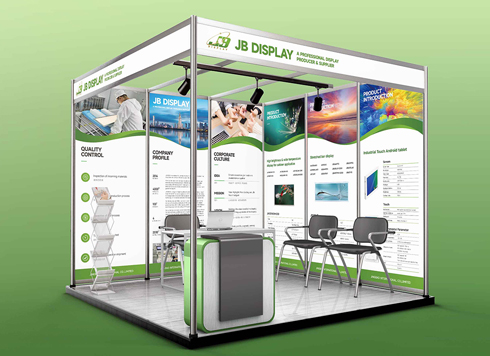 Booth Poster Design for Professional Monitor Product Suppliers
The standard exhibition booth poster projec ...
-
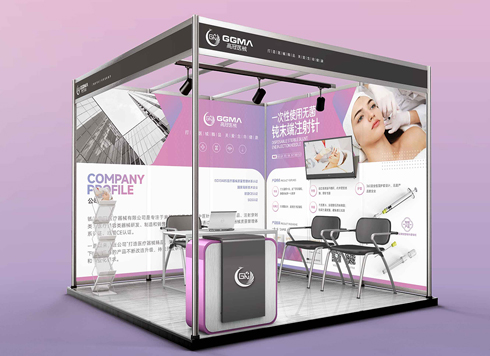 Design of Standard Exhibition Booth Posters for Beauty Instruments
Carefully designed a standard exhibition bo ...
-
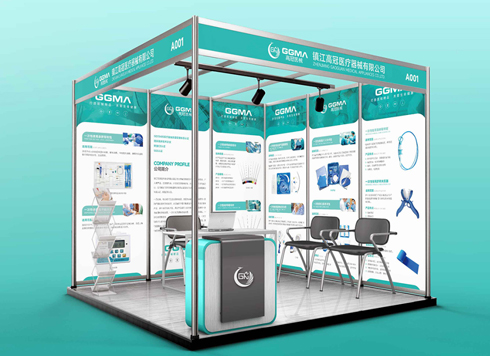 Design of Exhibition Posters for Medical Device Standards
XiYue is designing an exhibition booth post ...
-
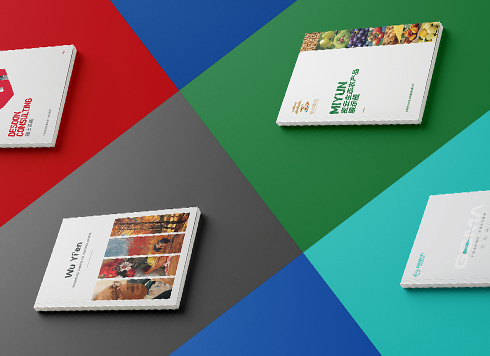 Collection of Brochure Design Cases in 2024 (Cover Series 02)
Our brochure design projects focus on diver ...
-
The logo is centered in the circular button, so why does it still look off to one side? Should I nudge it manually, or is something wrong with the file?
Date: Oct 15, 2026 Read: 0
-
Same logo looks clear in a brochure—why does it blur on a shipping box? Can switching the file to a box version save it?
Date: Oct 14, 2026 Read: 3
-
Brochure body text justified with uneven letter spacing and white gaps at line ends—is the software stretching the spacing? Will left alignment fix it?
Date: Oct 13, 2026 Read: 7
-
White Logo on Black Card Packaging Looks Gray—Was White Ink Printed Only Once? Will One More Pass Fix It?
Date: Oct 12, 2026 Read: 9
-
Why does a folded crease always crack with a white line first—is the paper too thick or the crease not scored deep enough?
Date: Oct 11, 2026 Read: 12