


The one-way vision sample shows even holes when held up, but looks gray on the shop window in daytime—is the lamination sealing the holes, or is a dark solid background naturally gray?
Quotable conclusion: A one-way vision sample can show even holes when held up, yet look gray after it is applied to a shop window in daytime. This is usually not caused by one single reason such as applying it backward. It is often the combined effect of heavy ink in dark solid areas, lamination sealing the holes, a low perforation rate, and the indoor-outdoor light ratio. Based on 2026 storefront window delivery experience, first check whether the retained sample is truly perforated film, whether the image has dark solid coverage plus lamination, and whether the daytime light ratio on site is too large; then decide whether to reduce ink load, remove lamination, add light, or change material. Tearing it off and reapplying it directly often does not solve the problem.
1. First distinguish gray appearance from looking like a blackboard—they are not the same issue
When one-way vision film has problems, the site team can easily mix several appearances into one sentence: why is it not see-through. A gray appearance, looking like a blackboard, and being applied backward have different causes and different remediation costs. A gray appearance usually still has holes; light transmission is just weakened. Looking like a blackboard may mean the material itself is not perforated, or the holes are largely sealed. First distinguish the appearance, then discuss whether to change material; this will reduce rework.
- Gray appearance: The holes are still there, but light transmission is weakened by ink load, lamination, or a low perforation rate, so the image looks covered by a layer of gray from a distance.
- Looks like a blackboard: From outside it is a complete image, while from inside almost nothing outside can be seen. This is common with fully opaque materials, backward application, or holes sealed over a large area.
- Applied backward: From outside you see the gray side or adhesive side, while from inside you see the image instead, and colors look dull. This differs from a simple gray appearance.
This distinction determines whether the next step is to adjust the image or change the material. Adjusting the image can usually still be handled within the original installation window; changing material requires new procurement and rescheduling installation, which is clearly more costly.
2. The sample has holes but the installed film looks gray: check four layers
According to 2026 storefront material delivery practice, the checking order matters more than any single experience item. It is advisable to go down through four layers: material, image, perforation rate, and light ratio plus installation. The first three layers can basically locate whether the problem is in the material or in the image.
- Confirm the material first: Hold the retained sample against a light. Only if even light-transmitting points can be seen is it perforated film. If no light passes through at all, first check whether it was supplied as fully opaque vehicle wrap or white adhesive film.
- Then confirm image ink load: Dark solid coverage, large solid background colors, and full-bleed gradients can easily cover the hole openings, making the film look gray from a distance. This is not a sudden failure of the film.
- Confirm post-lamination: Matte lamination, thick clear coat, and local reinforcement coatings can all seal holes. The more fully it is laminated, the more obvious the drop in light transmission.
- Finally check light ratio and installation: In daytime, the outside of the store is bright and the inside is dark, so looking in from outside is naturally darker. Bubbles, water marks, and edge lifting can also be magnified into a gray patch over a small area.
Do not tear it off immediately during troubleshooting. If the material is wrong, only material change works; ink load and lamination still have room for adjustment; light ratio problems can be eased by adding in-store lighting and adjusting image lightness. Judge the layer first, then decide the action; this is more reliable than direct reapplication.
3. Dark solid one-way vision film: how to trade off ink load, lamination, and perforation rate
Dark solid coverage is the image type most likely to make one-way vision film look like a blackboard. One-way vision film transmits light through holes. The perforation rate has a typical experience range of 30% to 50%, and hole diameter is commonly on the 1–2 mm scale. Smaller holes give a more complete image but weaker light transmission; larger holes give better light transmission but make the image look more gray and fragmented from a distance. Dark solid areas plus full-surface lamination narrow an already limited light-transmission channel by another layer.
Put common options together for comparison. Prices and lead times are experience ranges; they vary with area, image complexity, city, and site conditions. They are only for aligning expectations with the client and cannot be treated as a quotation commitment:
- Dark solid coverage plus full-surface matte lamination: The image is complete and abrasion resistant, but light transmission drops noticeably, and the film easily looks gray when the in-store area is dark in daytime; unit price is commonly in the range of tens to just over RMB 100 per square meter, per-store installation is commonly 2–6 hours, and rework risk is relatively high.
- Dark solid coverage without lamination or with partial lamination only: Light transmission improves, while abrasion and scratch resistance decrease, and slight scratch risk must be accepted; material cost is similar, and sample confirmation commonly takes an extra half day to one day.
- Reduce ink load or leave a light-colored information area: Light transmission is more stable, image saturation decreases, and the dark background may still look gray from a distance; a new sample is needed, and the cycle commonly takes an extra half day to one day.
- Switch to fully opaque vehicle wrap plus in-store lighting: It does not transmit light, colors look more solid, and it suits nighttime display or windows that need concealment; unit price is close to or slightly lower than one-way vision film, but it is not suitable for stores that still want daylight.
If the client wants both dark solid coverage and the ability to see outside from inside, the more reliable way to communicate is not to promise that it will be see-through once applied, but to first make an A3-sized sample and check the holes against light, then take it to the site and compare the daytime light ratio once. Light transmission and image completeness are themselves a trade-off; clarifying this in advance is easier than explaining after installation.
4. View the image in daytime and see-through effect at night: acceptance criteria should be separate
The easy point of dispute with one-way vision film is mixing daytime and nighttime effects into one acceptance check. In daytime, the outside is bright and the inside is dark. From outside, acceptance should focus on image completeness, no obvious hole dots, and no gray cast. From inside looking out, a screen-mesh feel is acceptable: outlines can be seen but details cannot be seen clearly. This is normal behavior caused by the perforated structure, not blurry printing.
At night the light ratio reverses: the store is lit and the outside is dim. From outside, store displays will be faintly visible; from inside, the outside actually looks clearer. This is also not backward application or material failure. If the shop window mainly relies on nighttime lit display, the see-through effect of one-way vision film will interfere with the image, so it should not be used by default. For areas that need complete sight blocking, fully opaque materials should also be preferred.
5. Applicable and non-applicable boundaries should be stated first
One-way vision film suits street-facing shop windows that need to display an image in daytime without completely blocking in-store daylight, such as retail stores, food and beverage stores, and temporary booth glass during exhibitions. The criterion is not complex: during main footfall hours, the outdoor side is brighter than the indoor side, and only then does one-way vision film have room to work.
Non-applicable cases should also be stated in advance. For areas that need to block sightlines, such as back-of-house, fitting areas, and office partitions, one-way vision film is not recommended by default. When the glass itself has heat-insulating coating or laminated glass and the film is required to be applied inside, a small-area test application is more reliable first. For locations exposed to strong direct UV outdoors for long periods, the aging cycle is mostly in the experience range of 1–3 years, and fading and edge lifting may occur. If the shop window is mainly for nighttime lit display, the see-through effect of one-way vision film will interfere with the image, and it is a solution that does not need to be used.
6. Delivery site experience: make a sample first for dark solid coverage, do not wait until installation
A common constraint in store window projects: the client wants a dark solid full-bleed image, also wants matte lamination for abrasion resistance, does not want to fully block light inside the store, and the installation window is only half a day. A more reliable approach is to first check the holes on an A3 sample against light, then compare the light ratio on site once in daytime, change full-surface matte lamination to partial non-lamination, appropriately reduce ink load on the dark background, and leave a light-colored information area in the image. The result is improved light transmission, and the daytime outside image remains readable. The cost is lower dark saturation, a new sample is needed, and the schedule commonly takes an extra half day to one day. Per-store site installation is mostly in the experience range of 2–6 hours, with sample confirmation counted separately. Clarifying this cost in advance is more controllable than tearing it off after installation.
Common questions
When looking out from inside the store during the day, the one-way vision film has a screen-mesh feel. Can it be required to be as clear as glass?
It is hard to require glass-level clarity. Light transmission depends on holes; hole diameter and perforation rate determine the screen-mesh feel. It is more reliable to accept that outlines can be seen but details cannot; full clarity requires sacrificing image completeness.
If a dark solid one-way vision film looks gray, can reducing ink load fix it?
It can ease the problem but only to a limited extent. Reducing ink load can reduce hole blocking, but dark solid areas may still look gray from a distance. A more reliable approach is to leave light-color areas locally or adjust the perforation rate, and confirm with a sample before installation.
Does matte lamination on one-way vision film always block the holes?
Not necessarily, but the risk is relatively high. Matte lamination and thick clear coat can easily seal hole openings and reduce light transmission. When abrasion resistance is needed, test a small area first instead of laminating the entire surface.
When one-way vision film lifts in winter, is it an adhesive problem?
Not entirely. At low ambient temperatures, adhesive flow and air release are poorer, and the probability of lifting rises. In the typical range, it is more obvious below 10°C; heating or waiting for warmer weather before application can help.
If the shop window is mainly for daytime display and the store still needs daylight, first ask the supplier for a retained sample and check the holes against light, then compare the daytime light ratio on site once, and then decide whether to apply the film and whether to laminate it. For windows that need to block sightlines or mainly rely on nighttime lit display, one-way vision film should not be used by default; for coated glass and inside installation, test a small area before full application.
-
 Booth Poster Design for Professional Monitor Product Suppliers
The standard exhibition booth poster projec ...
-
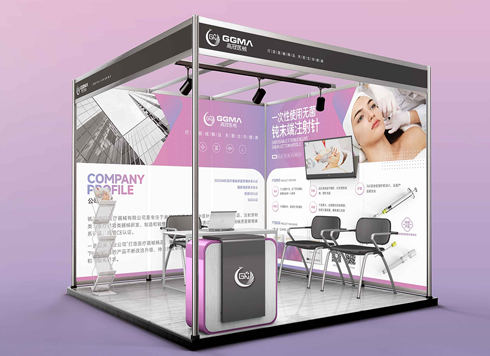 Design of Standard Exhibition Booth Posters for Beauty Instruments
Carefully designed a standard exhibition bo ...
-
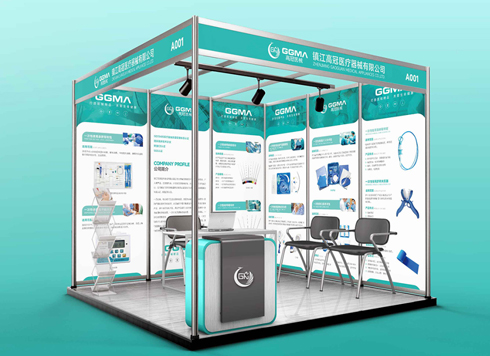 Design of Exhibition Posters for Medical Device Standards
XiYue is designing an exhibition booth post ...
-
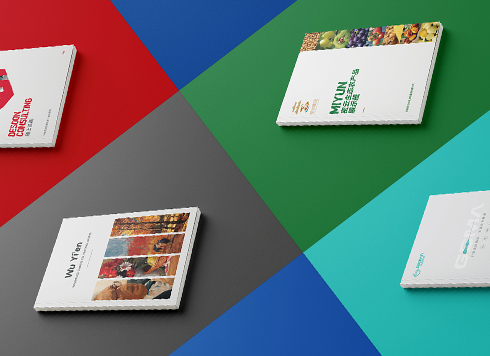 Collection of Brochure Design Cases in 2024 (Cover Series 02)
Our brochure design projects focus on diver ...
-
When a sample is shipped to another city and the client only signs back “OK,” who is to blame if mass production shifts color? Were the reference and tolerance missing from the approval form from the start?
Date: Nov 22, 2026 Read: 1
-
When text at both ends of a banner is pinched by rope, is moving the text inward enough—and should hole positions and hanging method be marked together?
Date: Nov 21, 2026 Read: 4
-
When the company name on a booth fascia can’t be read across the aisle, can checking letter height and stroke weight against the far viewing distance before artwork start save a reprint?
Date: Nov 20, 2026 Read: 10
-
The address along the bottom of a roll-up banner keeps getting covered by the base—can leaving a keep-out zone from the supplier die line before artwork save a site rework?
Date: Nov 19, 2026 Read: 13
-
The booth spotlight hits the center of the display panel, and customers at the meeting table say it is a washed-out white blur—is it material glare or a light mounted too low?
Date: Nov 18, 2026 Read: 18