



How to Turn Graphic Design Knowledge into Business Value? Three Steps to Create High-Conversion Design Works
Have you ever felt frustrated: you have a solid grasp of graphic design theory, you have gone through countless tutorials and case studies, but when facing real commercial projects, your work always seems to lack a "soul," receiving mediocre client feedback or even requiring endless revisions? This situation of "knowing but not being able to apply" is a core obstacle for many designers on their growth path. This article aims to help you break through this bottleneck—turning your graphic design knowledge into a commercial weapon that generates real value.
Step One: Translate Knowledge into Business Language
Many designers tend to think in design terminology or aesthetic logic, but clients often care about: "Will this design help me sell products?" or "Can it enhance the brand image?" So, the first step is to convert your industry knowledge into business language, approaching it from the following three dimensions:
- Clarify the design purpose: Before taking on a project, first clarify the business goals—whether it is to increase click-through rate, boost conversions, or strengthen brand awareness. For example, a poster for promotional messaging versus one for brand image display requires completely different design strategies.
- Research the target audience: Who are the clients? What are their ages, preferences, and aesthetic tendencies? For instance, skincare packaging targeting young women and a briefcase advertisement aimed at business professionals will differ entirely in color usage, typography, and layout logic. Directly apply your understanding of color psychology and layout theory to audience preferences.
- Establish value anchors: Clearly state in your proposal "why this design can achieve the business goals"—for example, "Using visual focus guidance, users will first see the promotional information, expected to increase click-through rate by 20%." When you translate knowledge into measurable results, clients will be convinced.
For example, when serving clients, Xiyue Company requires designers to first complete a "business analysis brief," directly linking industry knowledge (such as consumer psychology and visual flow) to the client's core KPIs. This step often determines the efficiency of project execution.
Step Two: Refine the Design Process with Industry Knowledge
Many designers are accustomed to opening software and starting to "create" directly, but the most important part of graphic design industry knowledge—process and methodology—is often overlooked. Here are several practical optimization suggestions:
2.1 Shift from "Inspiration-Driven" to "Strategy-Driven"
- Build a design asset library: Collect excellent cases categorized by industry, style, and function. For each new project, first review the design logic of similar competitors in the library instead of blindly seeking inspiration.
- Create a "design strategy card": List the project's core information, visual keywords, color scheme candidates, font directions, etc., forming a clear framework before starting the design.
- Conduct background research: Understand the current state of the client's industry and the visual styles of major competitors to ensure your design is "not outdated" and can "differentiate."
2.2 Master Efficient Design Execution Tools and Techniques
- Use component-based thinking to improve efficiency: Turn frequently used elements (buttons, icons, cards) into reusable components in design software, saving time and ensuring visual consistency.
- Leverage grid and alignment systems: This is not a basic issue but a sign of professionalism. A well-structured grid brings order to the layout and conveys higher credibility.
- Manage color and typography: Establish a dedicated color palette library and font pairing rules. For example, use 2-3 fonts consistently for each type of project to maintain efficiency and avoid style confusion.
Through such a process-driven workflow, the logical completeness of your design work will significantly improve. Many design teams (including Xiyue Company) adopt a similar "design strategy + component library" model, greatly enhancing output quality and communication efficiency.
Step Three: Use Knowledge to Respond to Feedback and Iterate
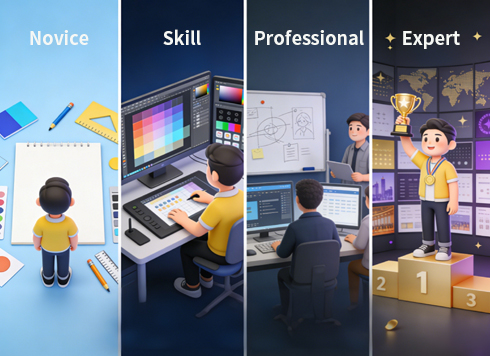
Receiving revision requests after delivery is normal, but how you use industry knowledge to respond to feedback is precisely what distinguishes beginners from experts:
- Refuse to "change as requested"—instead, "change based on principles": When a client says, "It doesn't feel grand enough," you can ask, "Do you mean the font should be more stable, or more whitespace in the layout?" Then propose modifications based on professional knowledge such as layout density and value hierarchy.
- Prepare alternatives: For the same business goal, offer 2-3 design drafts with different orientations (e.g., one conservative and safe, one slightly innovative, one novel), and explain the pros and cons of each. This showcases your depth of thinking and reduces the likelihood of "one-size-fits-all" revisions.
- Review design effectiveness with data: If the project is trackable for conversions, ask the client for data (e.g., click-through rate, dwell time), then analyze which design elements contributed to the results. These experiences will become new additions to your industry knowledge.
This step particularly highlights a designer's professional value—you are not a "drawing tool" but a "strategist" who solves business problems with visuals.
When you systematically break down graphic design industry knowledge into three dimensions—"business language," "workflow," and "feedback iteration"—the scattered theories become reusable methods. Every project is a hands-on opportunity to apply knowledge. Remember: good design is not a pile of knowledge, but the precise application of knowledge. Starting with your next project, try integrating the three-step framework mentioned in this article into your workflow, and you will find that both client recognition and the actual business value of your work gradually improve.
-
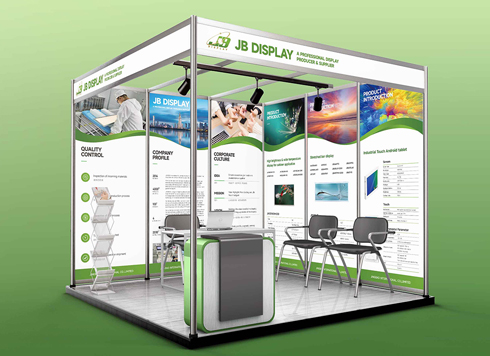 Booth Poster Design for Professional Monitor Product Suppliers
The standard exhibition booth poster projec ...
-
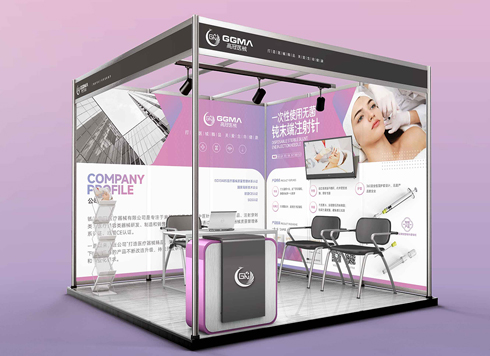 Design of Standard Exhibition Booth Posters for Beauty Instruments
Carefully designed a standard exhibition bo ...
-
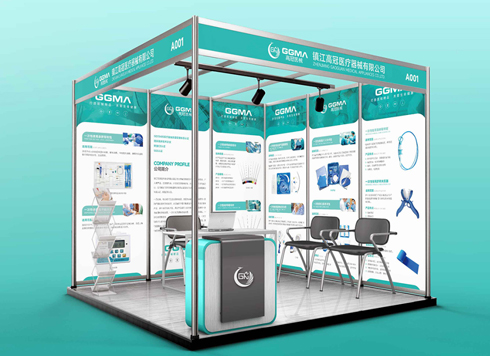 Design of Exhibition Posters for Medical Device Standards
XiYue is designing an exhibition booth post ...
-
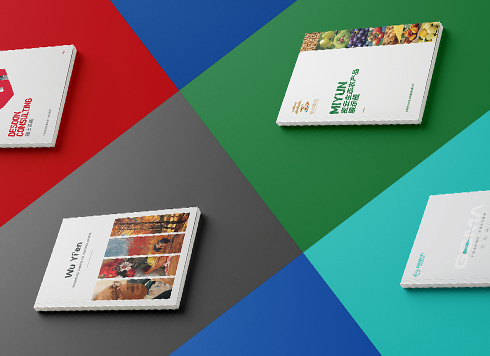 Collection of Brochure Design Cases in 2024 (Cover Series 02)
Our brochure design projects focus on diver ...
-
Client wants source files before final payment — do designers always have to hold the line? Miss these handover details and your reputation suffers
Date: Aug 30, 2026 Read: 48
-
Should You Ask for Source Files When Outsourcing Graphic Design? How Much Extra Does It Usually Cost?
Date: Aug 28, 2026 Read: 55
-
When Designing Packaging Boxes, Who Should Provide the Die Line: the Design Firm or the Printer?
Date: Aug 26, 2026 Read: 69
-
Does Using Free Fonts in Commercial Design Come with Copyright Risks?
Date: Aug 22, 2026 Read: 66
-
Advertising poster design still needs changes after multiple rounds—is it a matter of missing assets or unclear acceptance standards?
Date: Aug 20, 2026 Read: 60