




Why Designers Generally Resist Conceptual Graphic Design? Not for Unwillingness, but for Being Unable to Afford the Cost
In the graphic design industry, there's an unspoken consensus: compared to practical designs with strong implementability such as brand VI, posters, packaging, and detail pages, the vast majority of designers shy away from conceptual graphic design. Even if clients offer seemingly "free" creative conditions, designers often look reluctant and even privately complain that it's "the most torturous job".
Many people are confused: without strict restrictions on dimensions, usage, or implementation, conceptual design should be an excellent opportunity to unleash creativity and showcase aesthetics—so why has it instead become a designer's "nightmare"? The truth is, it's not that designers are lazy or lack creative drive, but rather the inherent attributes of conceptual graphic design: high cost, low return, and intense internal friction—making this work a thankless task with extremely low cost-effectiveness.
I. No Boundaries = No Standards, Revisions Until You Doubt Life
Practical graphic design has clear boundaries: posters must adapt to placement scenarios and comply with printing specifications; LOGOs need to balance recognizability and applicability; packaging must align with product attributes and audience preferences. Even with revisions, there are clear adjustment directions—e.g., "enlarge font", "warm up tone", "optimize information hierarchy"—allowing designers to accurately capture requirements.
Conceptual design, however, is entirely different. It has no fixed usage or mandatory specifications; the only evaluation criterion is "feeling". Feedback from clients or stakeholders is often vague and subjective: "not sophisticated enough", "lacking atmosphere", "more depth needed", "the vibe is off". These nebulous demands leave designers with no clear direction for revisions, forcing them to repeatedly scrap ideas, adjust styles, refine details, and spiral into an endless cycle of revisions.
Sometimes, a solution crafted over several all-nighters may be completely rejected for no more reason than "it doesn't click". This kind of creation without a definitive answer drains designers' patience and energy the most.
II. Extremely High Mental Cost, Yet Output Is "Empty and Useless"
For practical design, designers can leverage requirement frameworks, industry experience, and reference cases to progress quickly—streamlined workflows guarantee efficiency and output. But conceptual design is pure creation from scratch: it requires digging deep into the core of the theme, building visual logic, polishing a unique style, and balancing creativity with aesthetics—every step demands racking one's brain.
From brainstorming, sketching, and sourcing materials to refining compositions, adjusting colors, and optimizing textures, conceptual design consumes several times more mental effort and time than regular practical design. Yet the final output is mostly just a render that can't be implemented or used practically—it serves no commercial promotion purpose, can't be converted into tangible value, and can't even be used as a implemented case in a designer's portfolio.
For designers, pouring countless hours of effort into a piece that ends up "collecting dust on a hard drive" creates an imbalance between effort and reward that kills motivation.
III. Unresolvable Aesthetic Differences, Subjective Rejection Hurts the Most
The quality of practical design can be judged objectively: Is information transmission clear? Is the visual experience comfortable? Does it meet commercial needs? Is the implementation effect up to standard? Even if there are aesthetic disagreements, as long as core functions are satisfied, the design is hard to completely reject.
Conceptual design, by contrast, relies entirely on subjective aesthetics—there's no right or wrong, only like or dislike. A designer may see minimalism as sophisticated and trendy, while a client deems it empty; a designer may favor niche artistic flair, while a client finds it obscure; a carefully crafted visual metaphor may go completely unrecognized by the client, who instead calls it "overly flashy".
Such rejection based on personal preference isn't about design skills but about differences in aesthetic circles. Designers can neither refute nor easily compromise, and prolonged exposure to this often leads to self-doubt—another key reason designers resist conceptual design.
IV. No Implementation = No Sense of Achievement, Contradicting Core Design Values
A designer's sense of accomplishment often stems from seeing their work used, recognized, and seen by others: a poster plastered across the streets, a LOGO becoming a brand symbol, a design driving commercial communication after implementation. This transformation "from blueprint to reality" is the motivation that keeps designers going.
Conceptual design, however, mostly remains at the level of "visual experimentation", detached from commercial scenarios and practical needs—destined never to reach the public eye. No matter how exquisite or innovative the work is, it can only serve as an embellishment in a personal portfolio, failing to realize design's practical and communicative value. Over time, designers feel the work loses meaning and are naturally unwilling to invest energy.
V. Difficult Quoting & Negotiating, Underpaid and Overworked
Practical design has clear standards for workload and pricing—calculated by project, page count, or difficulty—making it easy for both parties to reach agreement. But conceptual design workload is hard to quantify: clients often fall into the misconception that "it's just one image", thinking designers only "drew it casually" and refusing to pay fees matching the mental effort involved.
On one side: ultra-high creative difficulty and revision risks; on the other: low compensation and unrecognized effort—extremely low cost-effectiveness. For designers who rely on projects for income, it's better to take on several implementable projects (which are hassle-free and yield stable returns) than to spend countless hours on conceptual design.
Final Thoughts
Designers don't hate creation or reject conceptual design—in fact, every designer has a desire to express creativity and pursue ultimate aesthetics. But conceptual graphic design's lack of standards, high internal friction, low value, and low returns turn this pure creative work into a torturous burden.
If you truly want designers to excel at conceptual design, provide clear thematic boundaries, respect aesthetic differences, match compensation to effort, and leave ample space for creation. After all, great conceptual design is never "just a quick sketch"—it's visual art infused with a designer's hard work, and it deserves to be understood and valued.
-
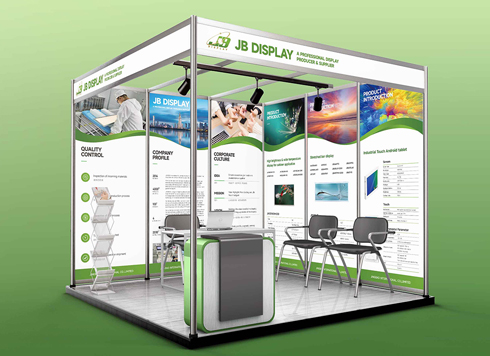 Booth Poster Design for Professional Monitor Product Suppliers
The standard exhibition booth poster projec ...
-
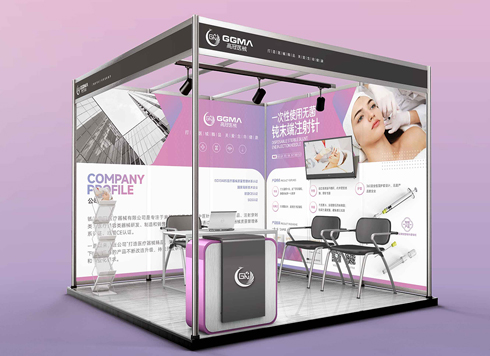 Design of Standard Exhibition Booth Posters for Beauty Instruments
Carefully designed a standard exhibition bo ...
-
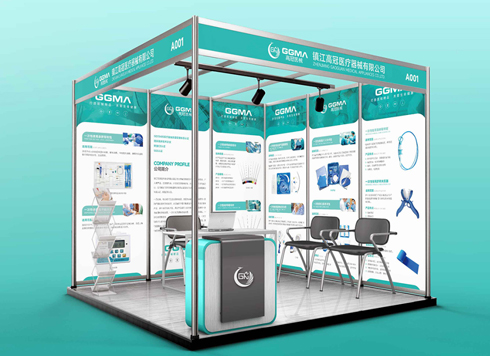 Design of Exhibition Posters for Medical Device Standards
XiYue is designing an exhibition booth post ...
-
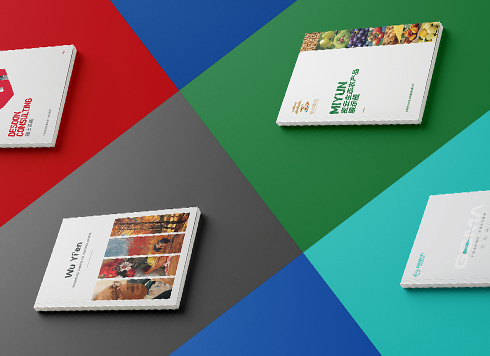 Collection of Brochure Design Cases in 2024 (Cover Series 02)
Our brochure design projects focus on diver ...
-
When Designing Packaging Boxes, Who Should Provide the Die Line: the Design Firm or the Printer?
Date: Aug 26, 2026 Read: 39
-
The Perfect Fusion of Graphic Design and Public Accounts: The Charm of Ancient Style
Date: Mar 25, 2025 Read: 306
-
If the printer provides the die, will packaging design still charge for structural drawings?
Date: Sep 13, 2026 Read: 20
-
Can Packaging Use Free Fonts and Images Downloaded Online and Be Sent Directly to the Printer?
Date: Sep 7, 2026 Read: 27
-
Can't Finalize Your Packaging Design? What Should You Check for Acceptance?
Date: Sep 1, 2026 Read: 28